 Visit Tokyo Guide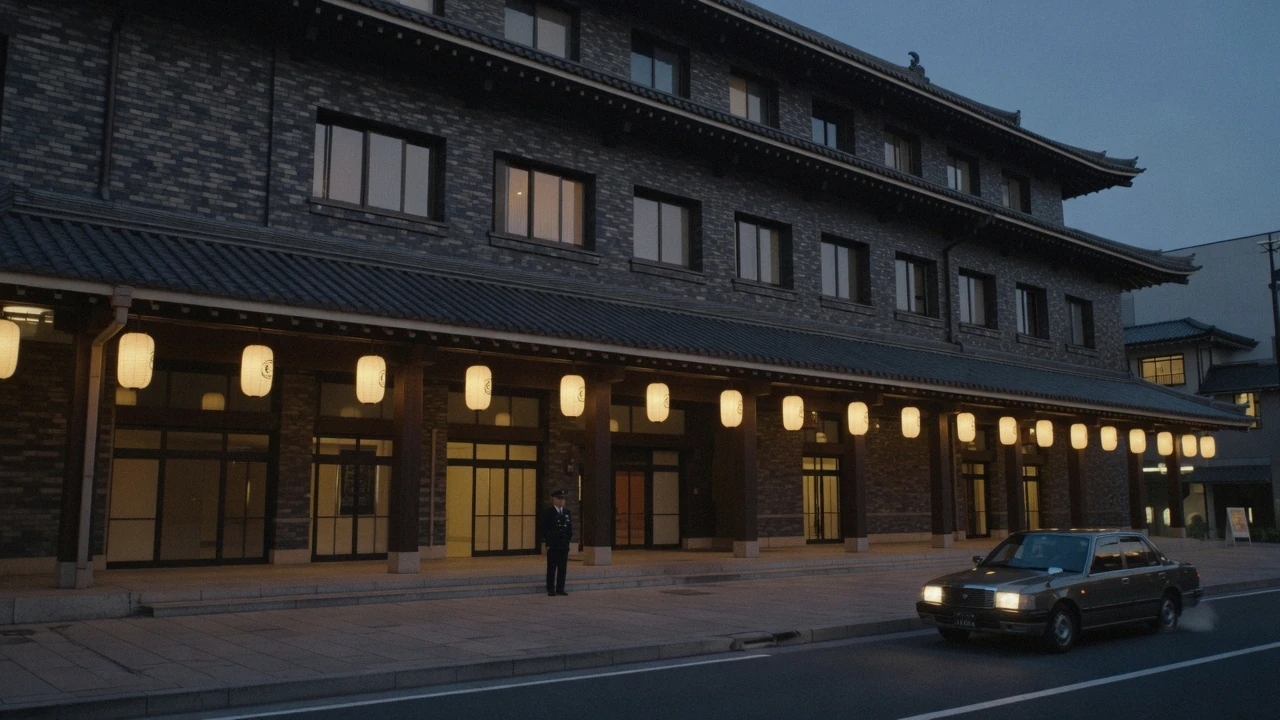
Kabukiza Theatre
The Kabukiza Theatre is the principal kabuki house in Tokyo, a 1889 foundation rebuilt four times and standing since 2013 as a tiled Momoyama-style front with a glass tower behind it, on the Higashi-Ginza corner of Ginza. The thing that makes it usable for a visitor is not the full programme but the single-act ticket, sold for the top level from noon the day before, which turns a four-hour commitment into a 19-minute or a 108-minute one. This page covers how that queue actually works, the price bands, the English caption device and what it costs, the monthly programme reset, the dress code question and the free basement floor. The district around it is on the Ginza guide, what the rest of a day in the city costs is on Tokyo costs, and for more on the rest of the city start from things to do in Tokyo.
Quick answer The single-act ticket, when it goes on sale, captions, dress code
You do not have to sit through four hours of kabuki. The Kabukiza sells single-act seats on level 4, one act at a time, and on the programme we read they ran from 600 to 2,800 yen, about $3.89 to $18.14, plus a 110 yen system fee. They go on sale at noon on the day before the performance and stop when the seats are gone.
Key takeaways
- Acts run from 19 minutes to 108 minutes on a single programme, so the ticket you want depends on how much of your afternoon you are prepared to give up; the one-day Tokyo itinerary treats one short act as an evening item rather than a day's plan.
- The English caption device is rented at the theatre for 1,000 yen an act, about $6.48, cash only, and level 4 has its own captioning counter. Without it a first-timer is watching a costume drama in classical Japanese.
- There is no dress code at all, and no ticket is needed for the basement shopping floor or the fifth-floor rooftop garden, which is the free half of a Kabukiza visit. A Ginza sumo show is the other traditional-performance option a few minutes away if the theatre is dark.
Key facts
Opening hours
| Matinee curtain, most months | 11:00–about 15:00 |
|---|---|
| Evening curtain, most months | 16:00–about 21:00 |
| Kobikicho Square, basement 2, during a programme | 10:00–18:30 |
| Souvenir shop Kobikicho, ground level, during a programme | 10:00–19:00 |
Closed Between monthly programmes, and on the one or two dark days inside each run. There is no fixed weekly closing day; the run and its dark days are published month by month
Admission
- Adult
- Single act, level 4: 600 to 2,800 yen an act (about $3.89 to $18.14) on the programme we read, plus a 110 yen system fee (about $0.71). Full-programme seats are priced by tier and month and are not published as a flat figure
- Reduced
- No visitor, student or senior category published. Children over the age of 4 must have their own ticket for a single-act seat
- Free
- Kobikicho Square in basement 2, the ground-floor souvenir shop, and the fifth-floor rooftop garden and gallery terrace, all enterable without a ticket
Planning it
- Time needed
- Not stated by the theatre; our routing: 40 minutes to two hours for one act with the queue, three to four hours for a full programme including its intervals
- Book ahead
- Recommended — a few days
- Address
- 4-12-15 Ginza, Chuo-ku, Tokyo
Four ways in, with the theatre's own single-act system first. Prices come from Shochiku's official single-act ticket page for the current programme, read in Q3 2026, converted at 1,000 yen to $6.48; the guided cards are the platform's listed prices on the same day.
Are you here to see kabuki, or to see the Kabukiza? One is a ticket bought the day before, the other costs nothing at all.
| Option | Price | How long | What it gets you | Book |
|---|---|---|---|---|
| Single-act seat, level 4, official online saleAlmost every visitor. It is the only kabuki ticket in Tokyo you can decide on the day before and still get. | 600 to 2,800 yen an act (about $3.89 to $18.14) plus a 110 yen system fee | 19 to 108 minutes, depending on the act | One act, a QR code on your phone, a separate entrance to the left of the main doors, no access to levels 1 to 3 | Official site |
| Full programme, reserved seatAnyone who already knows they like this, and anyone travelling with somebody who would resent leaving after one act. | Priced by seat tier and month; not published as a flat figure | Three to four hours including intervals | The whole matinee or evening bill, a 30-minute interval you can eat in, and the run of the theatre's shops and bars | Official site |
| Ginza sumo show, a few minutes awayTravellers who find the theatre dark on their dates and still want a traditional performance in Ginza. | $38.96 (about 6,000 yen) | 1.5 hours | A staged bout by retired professional wrestlers with English support, indoors, at a fixed start time | Check Availability |
| Tea ceremony with a tea masterThe other classical art a visitor can actually take part in rather than watch, and it books on the day. | $38.96 (about 6,000 yen) | About an hour | A guided ceremony in English, rated 5.0 from 612 reviews | Check Availability |
No operator on the platforms we track sells a ticket to a Kabukiza performance, which is why the rows above stop being about kabuki after the second one. The two official rows link Shochiku's own pages and carry no tracking. Single-act prices change with every monthly programme and are only fixed a few days before the run starts, so treat the band above as the shape of the pricing rather than the price of your act; the theatre's own page is the figure you pay. Kabuki-za's own domain would not render a price table to us at all, which is why the official figures here come from Shochiku's e-tix single-act system and KABUKI WEB, its official English channel.
Nearby Cultural Bookings, Compared
There is no guided-tour product for a Kabukiza performance: the theatre sells its own seats and nobody resells them. These are the cards worth comparing if you are building an evening in this part of the city around the theatre rather than inside it, at the prices the platform listed.
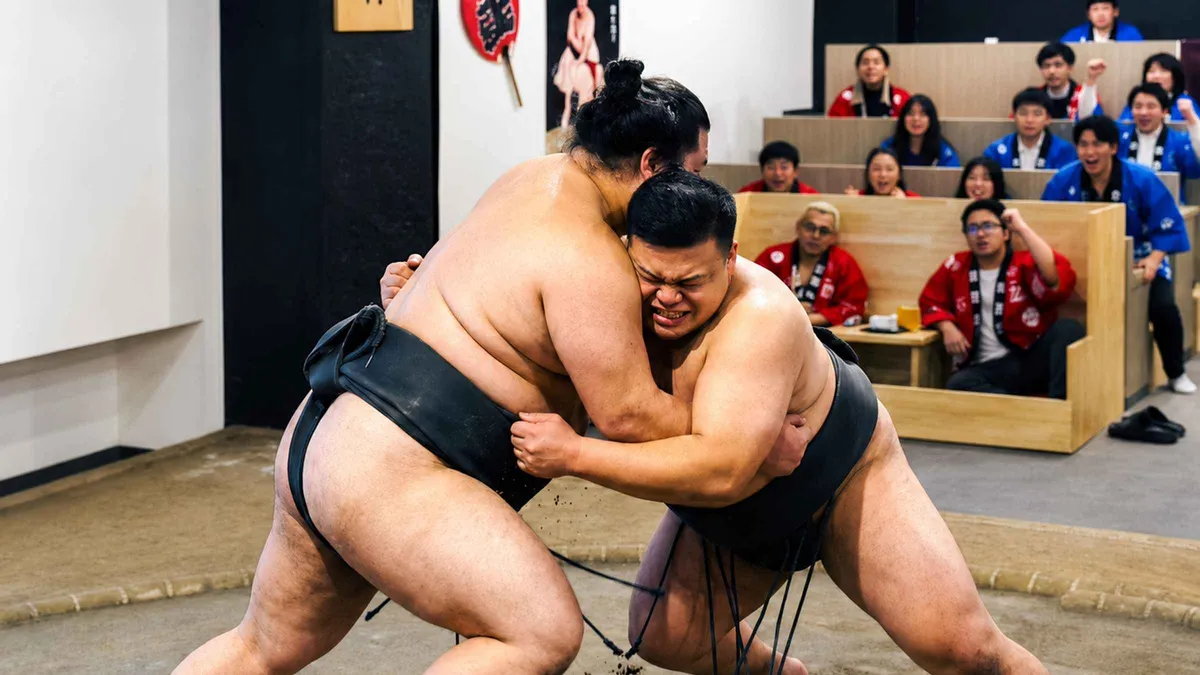 from $38.96
Tokyo Ginza Sumo Show: Live Performance & Photo Experience
A themed sumo entertainment show in central Ginza with retired wrestlers performing ceremonial bouts, salt-throwing and photo moments, plus an optional hands-on training add-on, steps from Yurakucho and Tokyo Station.
Check Availability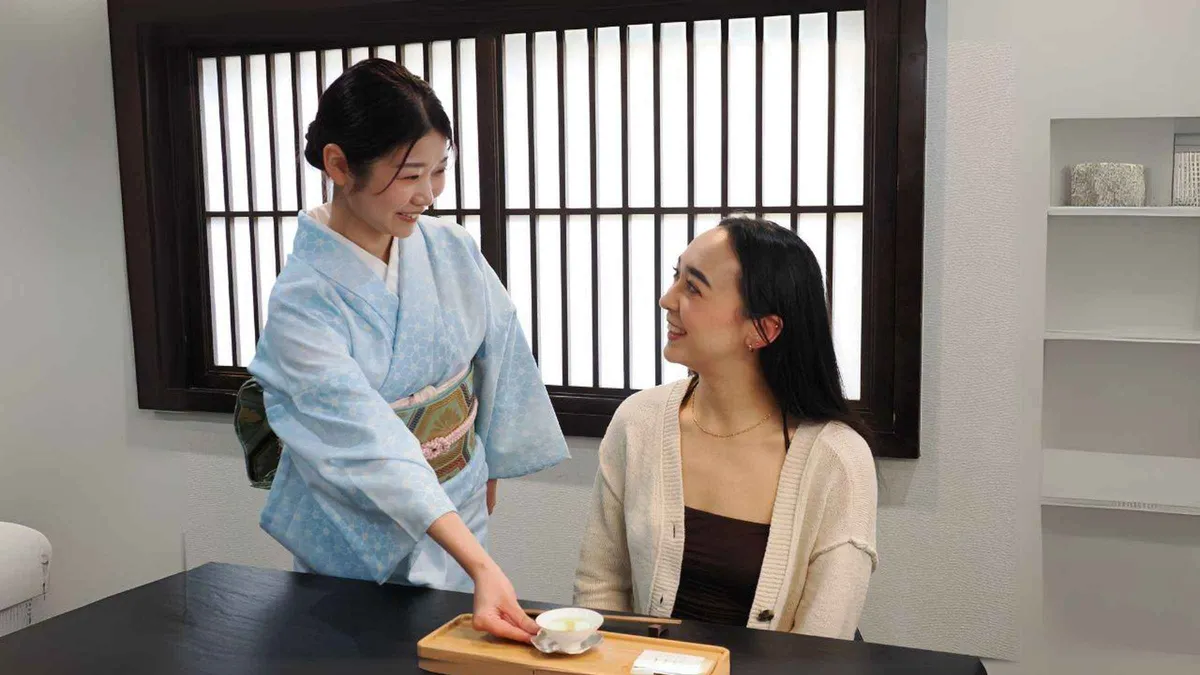 from $38.96
Tokyo: Traditional Tea Ceremony with a Tea Master
A one-hour seated tea ceremony near Tokyo University where a tea master guides you through wakocha, Gyokuro sencha with seasonal wagashi, and whisking your own bowl of matcha.
Check Availability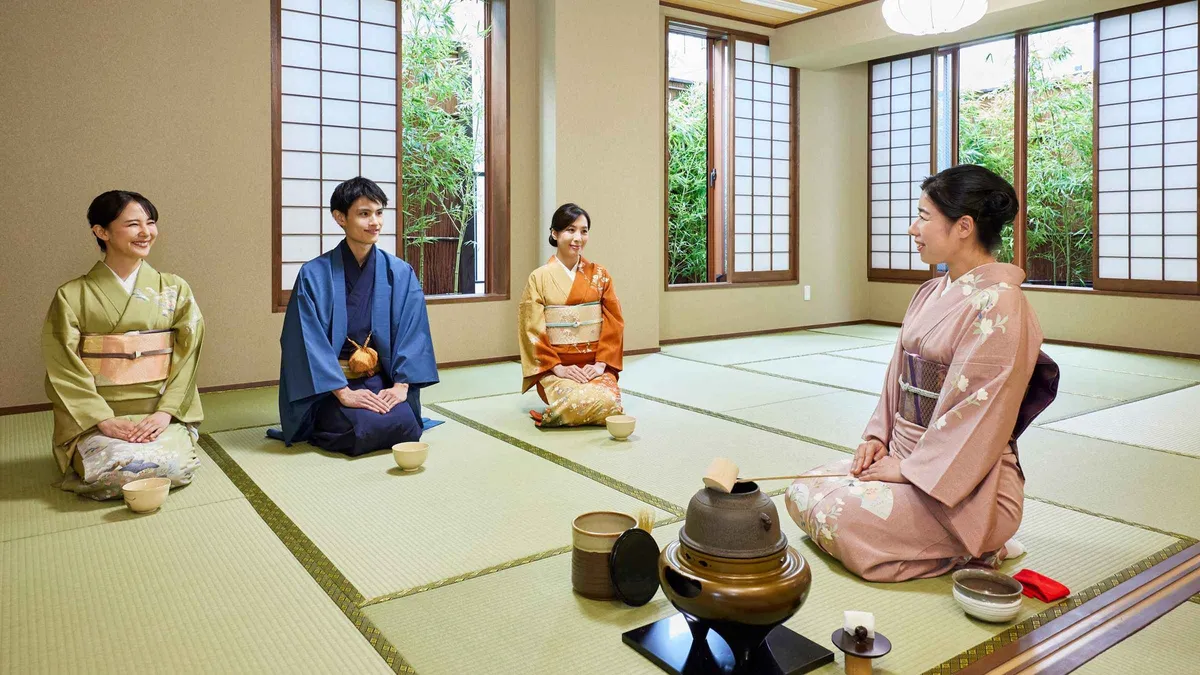 from $54.54
Asakusa: Kimono Tea Ceremony with Matcha and Sweet
A 90-minute Asakusa experience: choose and wear a seasonal kimono with hair styling, then a tea master walks you through ceremony etiquette before you whisk your own matcha with seasonal wagashi.
Check Availability from $40.91
Tokyo: Morning Bus Tour Imperial Palace, Asakusa,Tokyo Tower
A half-day hybrid-bus tour of the Imperial Palace's outer grounds, Tokyo Tower's Main Deck and Asakusa's Senso-ji, with an English-speaking guide and Tokyo Tower admission included.
Check AvailabilityPrices, ratings and details are the platform's own. Dollar figures are the listed prices. The platform bills in your account's currency.
The Single-Act Ticket, Step By Step
Hitomakumi, the single-act seat, is what makes kabuki possible for a traveller with one free afternoon. It is also the part of the system most guides describe wrongly, because it changed when the sales moved online.
Level 4 is the top floor of the auditorium, above the three reserved tiers, and it is sold act by act rather than as a whole programme. Sales open at noon on the day before the performance date, and every act of that day goes on sale at the same moment. You buy online, you get a QR code, and you show it to staff on the fourth level. One person can buy up to four tickets, children over the age of 4 need their own, and there are no changes or refunds once you have bought.
The acts on a single day are individually timed and individually priced. On the programme we read, the matinee opened with a 41-minute dance piece and a 50-minute act, then a 106-minute one, and the evening bill ran a 19-minute opener, a 108-minute drama, then a 30-minute and a 57-minute piece. Prices tracked length: 600 yen for the 19-minute opener, 2,800 yen for each of the two long acts, about $3.89 and $18.14.
The important practical rule sits at the bottom of the official page: if you have bought two consecutive acts, you are asked to leave your seat when the first one ends and come back in. Level 4 is cleared between acts, because the next set of single-act buyers is waiting.
The queue, and what happened to it
The old picture of hitomakumi is a physical queue on the pavement outside the theatre for same-day cash seats, and it is not wrong so much as incomplete. The bulk of the level-4 inventory is now sold through the online system from noon the day before, with a smaller number of seats held for sale at the theatre on the day itself. When the online allocation for a popular act is gone by early afternoon, the pavement is the fallback rather than the plan.
So the sequence that works is: check the month's acts and times the day before, buy the act you want at noon, and arrive twenty minutes early. The sequence that fails is arriving at 15:00 on a Saturday hoping for the famous act.
What level 4 is actually like
It is high and it is far back. Shochiku says so itself: the fourth level is the top floor and furthest from the stage, and both the main stage and the hanamichi, the runway that runs through the audience, may be partially out of sight. Seat space is more limited than on levels 1 and 2. There are no shops or restaurants on the level, and single-act holders cannot use the ones below.
What you get for that is a clean view of the whole stage picture, which for a first kabuki is arguably the right view: the choreography of a crowd scene reads better from height than from the eighth row. Bring opera glasses if you have them; the theatre rents them, but only to the first three levels.
The Caption Device, And Why You Should Rent One
Kabuki is performed in a classical stage language that modern Japanese audiences also need help with, which is why the theatre's own audiences buy the printed programme with its synopsis. For a visitor there is a captioning service in English or simplified Chinese, giving the essential translation of dialogue and lyrics plus explanations of what is happening on stage and why.
The rental is 1,000 yen an act, about $6.48, and the official page states it is cash only. Devices are handed out on the ground level for full-programme holders and on the fourth level for single-act holders, so you do not have to cross the building. If an act is very short, the service may not be offered at all.
Our reading: on a first visit the device is not optional. The 2,800-yen act with captions is a better purchase than two acts without them, and the arithmetic for a couple is that captions add about $13 to the evening.
- Captions in English or simplified Chinese, rented at the theatre, 1,000 yen an act (about $6.48), cash only
- Level 4 has its own counter; levels 1 to 3 collect on the ground floor
- Very short acts may not carry the service
- The sold printed programme carries a detailed English synopsis at the back, and works as a souvenir
How Much Time To Give The Kabukiza
The theatre publishes no visit length, because the answer is whatever you bought. These three routings are ours, built from the act times and the sales rules on the official pages.
The variable is not the play, it is the ticket. A full programme is a fixed three to four hours with one 30-minute interval; a single act is anything from a 19-minute dance to a 108-minute drama; and the building itself, which most visitors do not realise is open to them, costs nothing and takes half an hour.
| Routing | What you get | What it skips | Door to door |
|---|---|---|---|
| The free visit | Kobikicho Square in basement 2, the ground-floor shop and the fifth-floor rooftop garden reached by the tower lift | The performance entirely | 30 to 45 minutes, any day the shops are open |
| One act | A single act on level 4 with a caption device, bought at noon the day before | The rest of the bill, the interval, and the shops and bars on levels 1 to 3 | Act length plus about 40 minutes for the queue, the device and finding the level-4 entrance |
| The full programme | The whole matinee or evening bill, a 30-minute interval with a bento at your seat, and the run of the theatre | Your afternoon, or your evening | Three to four hours inside, plus the walk from Higashi-Ginza |
The Kabukiza In Seven Dates
Four buildings on one corner of Ginza, and the reason the front looks older than the tower behind it.
-
November 1889
The first Kabukiza opens
Built on this Ginza site as a modern theatre for kabuki, in an era when the art was being reformed for a Meiji audience.
-
1911
The second building
Rebuilt to a design credited to Tashichi Kashiwagi, the first of the three reconstructions that followed.
-
1924
The third building, after the earthquake
Shin'ichiro Okata's reconstruction followed the Great Kanto earthquake of 1923, which levelled much of the district.
-
1945
War damage
The theatre was wrecked in the bombing of Tokyo, and kabuki in the capital had to be staged elsewhere while it was rebuilt.
-
1950
Isoya Yoshida's rebuilding
The postwar Kabukiza, which is the building most photographs before 2010 show, and the direct model for the front standing today.
-
2010
The fourth building closes
Demolition for a rebuild that would put a 29-storey office tower behind the theatre and a station concourse underneath it.
-
2013
The present Kabukiza opens
Kengo Kuma's reconstruction keeps the Momoyama-style facade of the 1950 house and adds the glass tower, the basement square and the rooftop garden that a visitor can now walk into without a ticket.
Building dates and architects as recorded in the Kabuki-za entry on Wikipedia and in Shochiku's own history material on kabuki-za.co.jp. The theatre's own Japanese pages describe three major reconstructions since the 1889 opening.
The Monthly Reset: Why There Is No Such Thing As A Kabukiza Schedule
Kabuki does not run in seasons of one play. Each month the Kabukiza mounts a new programme, typically a run of around three and a half weeks with one or two dark days inside it, then goes dark entirely while the next one is put in. Two bills run each day, a matinee at 11:00 and an evening show at 16:00 or 16:30 depending on the month, and each bill is several separate pieces rather than a single drama.
That has three consequences for a visitor. The play you read about last year is not on. The exact curtain times move month to month, and can move again after you have bought, which is why the ticket page tells you to check on the day. And the theatre can simply be closed on your dates, with no performance at all, which is not a failure of planning but the normal rhythm of the house.
The month's bill, its curtain times and its dark days are published on Shochiku's official English channel, KABUKI WEB, which is the page to check before you fix a date. Tickets for a full programme go on sale about half a month before the run, at 10:00 Japan time, and popular dates disappear the same morning. Single-act seats are the opposite: they exist only from noon the day before. Because the house's schedule is so changeable, it can be worth pairing your own check of KABUKI WEB with a look at guided tours in Tokyo or a Tokyo tour comparison so a Kabukiza visit slots neatly into the rest of your days in the city.
- One programme a month, roughly three and a half weeks, with one or two dark days inside the run
- Two bills a day: matinee about 11:00, evening about 16:00 or 16:30
- Full-programme tickets on sale roughly half a month ahead, 10:00 Japan time
- Single-act seats on sale at noon the day before, all acts of that day at once
- Between runs the theatre is dark, and the shops in the basement stay open
The Free Half Of The Kabukiza: Basement 2 And The Fifth Floor
Two parts of this building need no ticket at all, and one of them is the best half-hour in Ginza on a wet afternoon.
Kobikicho Square, on the second basement level, is a shopping floor built into the station concourse: souvenir counters, sweets, boxed lunches and sandwiches sold before performances, and the theatre's own box office. It is open from 10:00 to 18:30 while a programme is running and from 10:00 to 18:00 on days without a performance, and the theatre's own page states plainly that admission is possible without a ticket. The ground-floor souvenir shop, Kobikicho, works the same way and stays open until 19:00 during a run.
The fifth floor is the better half. The Kabukiza Gallery and its rooftop garden sit on top of the low theatre block, free to enter, with a vermilion staircase down to the fourth level and roof tiles patterned with the theatre's phoenix crest. The theatre's own guidance notes that one phoenix faces the wrong way, and that finding it is supposed to bring you happiness.
The access detail catches people out: you cannot reach the rooftop garden from the theatre's main entrance. Take the red lift in the Kabukiza Tower on the Showa-dori side and press 5.
Eating at the theatre
Full-programme holders can buy a bento to eat at their seat during the interval, ordered in advance or bought at the basement square, and there are drinks and snacks on each of the first three levels plus a bar on the third with a view over Ginza. Single-act holders get none of this: there is no interval on a single-act ticket and no access to the levels where the food is.
The theatre publishes no prices for any of it, so we print none. If you are on a single act, eat before or afterwards; where to eat in Tokyo covers the lunch-set arithmetic that makes a Ginza meal affordable, and the Tsukiji Outer Market is a ten-minute walk away for an early lunch before a matinee.
Five Things Most Visitors Do Not Know About The Kabukiza
All five come off the theatre's own pages or Shochiku's official ticketing system, and each changes something practical about the visit.
- There is no dress code. Shochiku's own visitor guidance says to dress as you would for shopping or any other theatre, and asks only that you remove hats and keep a tall hairstyle down so the person behind can see [kabukiweb.net, Enjoy your theatregoing]. - The caption device is cash only. Everything else in Ginza takes a card; the 1,000 yen captioning rental does not, and it is charged per act [e-tix single-act ticket page]. - Single-act holders are asked to leave their seat between consecutive acts. Buying two acts in a row does not buy you a continuous afternoon in the same chair; level 4 clears and refills [e-tix single-act ticket page]. - The box office is in the basement, not on the street. Day-of-performance sales and the collection of online tickets happen at the second-basement box office, and doors open about 30 minutes before curtain [kabukiweb.net]. - The rooftop garden cannot be reached from the theatre. It is on the fifth floor of the tower behind, up the red lift from Showa-dori, and it is free [kabukiweb.net].
At The Kabukiza: What To Do, And What Not To
Every line here is argued somewhere above, compressed into what you can act on the afternoon before.
Do
- Buy the single act online at noon the day before, and pick a long act rather than two short ones
- Carry 1,000 yen in cash for the caption device, because the counter takes nothing else
- Use the separate entrance to the left of the main doors, which is the one for level 4
- Arrive 20 minutes early, put the bag in a 200-yen locker and find the level-4 captioning counter first
- Go up the red lift in the tower on Showa-dori to the free fifth-floor garden, ticket or no ticket
- Eat before the act: single-act seats have no interval and no access to the theatre's food (where to eat)
Don't
- Don't assume kabuki is on: the theatre goes dark between monthly programmes and inside each run
- Don't turn up hoping to buy a same-day seat for a famous act; the online allocation goes first
- Don't dress up on our account, and don't wear a hat or a high hairstyle in the auditorium
- Don't photograph or film during the performance, and switch off a smartwatch as well as a phone
- Don't buy two consecutive acts expecting to stay in your seat between them
Rules as published by Shochiku on kabukiweb.net and in the single-act ticket terms.
Getting There, And Which Exit
The address is 4-12-15 Ginza, Chuo-ku, and the theatre sits directly above Higashi-Ginza station on the Tokyo Metro Hibiya Line and the Toei Asakusa Line. Exit 3 comes up inside the building's basement concourse, about a minute from the box office, which means you can reach the theatre from either line without going outside in the rain.
From Ginza station on the Ginza, Marunouchi and Hibiya lines it is a five-minute walk east along Harumi-dori, past the Ginza 4-chome crossing. From Tokyo station it is about 15 minutes on foot or one stop on the Marunouchi line and a change. There is no visitor parking, and the Ginza streets around the theatre become a pedestrian zone on weekend afternoons, which is a reason to come by train rather than taxi.
- Higashi-Ginza station, Exit 3: one minute, and it comes up inside the building
- Ginza station: about five minutes east along Harumi-dori
- Tsukiji Outer Market: about eight minutes on foot, south-east
- Coin lockers inside the theatre at 200 yen, in two sizes, from the time the doors open
Kabukiza Theatre map: the doors, the station and what is next door
The theatre, the tower lift that reaches the free rooftop garden, and the three places within a ten-minute walk that make an afternoon around a single act.
Coordinates from the theatre's own address and our reading of the station layout; walking minutes are our estimates.
Next Stop From The Kabukiza
Walk minutes are our estimates from the distances; the theatre sits at the eastern end of Ginza, which decides all three.
Ginza
The department stores, the 4-chome crossing and the weekend pedestrian streets start five minutes west. The Ginza guide has the shop hours and the food halls that stay open when the theatre's kitchens do not.
5 min walkTsukiji Outer Market
The market lanes are a morning proposition and shut early, which pairs them with a matinee rather than an evening show. Tsukiji carries the hours and the eating rules.
8 min walkImperial Palace
The East Gardens are free and close in the early afternoon, so they work before a 16:00 curtain rather than after one. The Imperial Palace page has the gate times and the closed days.
25 min walk or two stopsKabukiza Theatre Questions
How long is a show at the Kabukiza Theatre?
A full programme runs three to four hours including its intervals, and there are two a day, a matinee at about 11:00 and an evening show at about 16:00. A single act is much shorter: on the programme we read, individual acts ran from 19 minutes to 108 minutes. The single-act table above shows how that maps onto the price.
How does the single act kabuki ticket work?
Level 4 is sold act by act. Sales open online at noon on the day before the performance, all of that day's acts at once, and stop when capacity is reached. You get a QR code, enter by the separate door to the left of the main entrance, and have no access to levels 1 to 3. Buying two consecutive acts means leaving your seat in between.
Is there a dress code for kabuki at the Kabukiza?
No. Shochiku's own guidance is to dress as you would for shopping or any other theatre. The only requests are to take off hats and keep a tall hairstyle low so the row behind can see. Some Japanese visitors come in kimono, and nobody will look twice at jeans.
Are there English subtitles at the Kabukiza Theatre?
Yes, as a rented captioning device giving English or simplified Chinese subtitles for the dialogue and lyrics plus explanations of the staging. It costs 1,000 yen an act, about $6.48, cash only, and single-act holders collect it on level 4. Very short acts may not carry the service.
Can I visit the Kabukiza Theatre without seeing a performance?
Yes, and it is free. Kobikicho Square in basement 2 and the ground-floor souvenir shop admit anybody during opening hours, and the fifth-floor rooftop garden and gallery terrace are free as well, reached by the red lift in the tower on the Showa-dori side rather than through the theatre doors.
What are the Kabukiza hours?
There are no daily opening hours in the museum sense. The curtain times are the hours: about 11:00 for the matinee and 16:00 or 16:30 for the evening show, month by month. The shops keep their own: basement 2 from 10:00 to 18:30 during a programme, the ground-floor shop until 19:00, both an hour earlier on days without a performance.
Do I need to book kabuki in Tokyo in advance?
For a reserved seat at a full programme, yes: those go on sale about half a month before the run and the best dates go quickly. For a single act, you cannot book far ahead even if you want to, because the seats only exist from noon the day before. Plan the trip, then buy the act.
Where The Kabukiza Fits In A Tokyo Day
Treat it as an evening item with a hard start time. Spend the morning at the Tsukiji Outer Market while the stalls are still working, walk the eight minutes back into Ginza for the shops, take the free rooftop garden and the basement floor in the late afternoon, then sit down for a single act with the caption device.
If the theatre is dark on your dates, the same corner of the city still works: the Ginza guide covers the district, and a staged sumo show a few minutes away is the other traditional performance you can buy on the day. The things to do list ranks everything else in the city by how much time it needs, and the tickets hub covers what genuinely has to be booked before you fly.
Kabuki At The Kabukiza On Film
Three films that show what the single-act system actually looks like from the visitor's side: buying, queueing, finding level 4 and sitting down.
Kabuki for Beginners | My Experience at Kabukiza & Single Act Seat Guide
The single-act ticket walked through end to end, which is the process this page describes.
Video: Miffy's Channel, Japan Now & ThenHow to Watch KABUKI Performance in TOKYO Japan
A practical guide to getting into a performance without Japanese, filmed at the theatre.
Video: Tokyo KenchanEnjoy Kabuki from a single-act viewing seat
What the view from level 4 is really like, and what the building looks like on the way in.
Video: GINZA KIMONOBITOVideos load from YouTube only when you press play.
Prices, hours and terms are set by the venue or operator and confirmed at checkout.
We may earn a commission if you book through one of our links, at no extra cost to you. Full affiliate disclosure