 Visit Tokyo Guide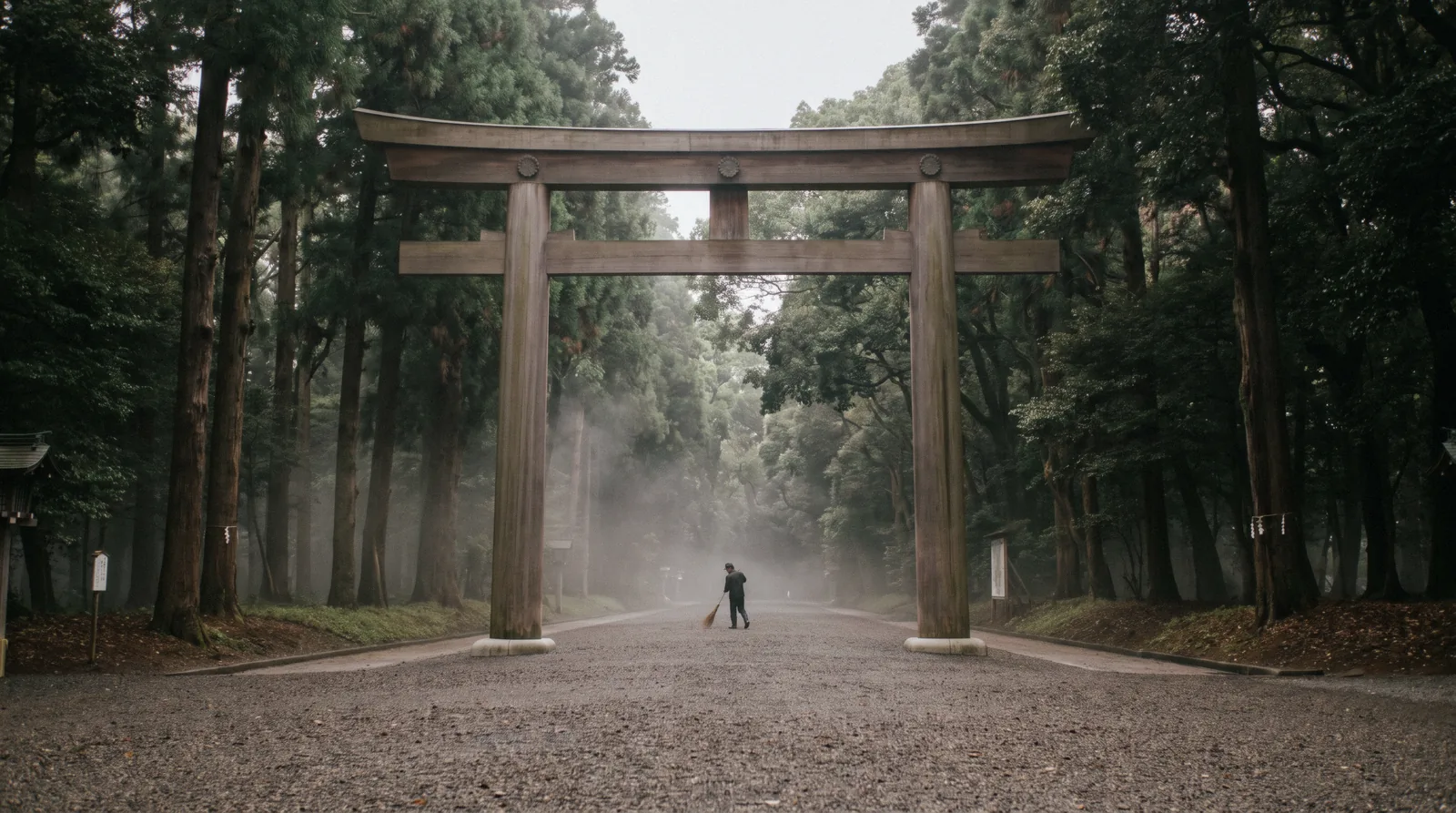
Meiji Jingu
Meiji Jingu is the Shinto shrine in Shibuya ward, established in 1920 for Emperor Meiji and Empress Shoken, standing inside 70 hectares of forest that was planted from bare farmland when the shrine was built. Walking in costs nothing and the gates open at sunrise, which is why the same visit feels like two different places at 06:00 and at 14:00. This page, part of our guide to what to do in Tokyo, covers the hours month by month, the two parts you do pay for, the three approaches and how long to allow; the etiquette that applies here and at every other hall in the city sits on the temples and shrines hub, and the streets outside the south entrance are covered on the district guide.
Quick answer What is free, what is paid, the hours, how long to allow
Meiji Jingu is free and open every day of the year. The gates open with the sunrise and close with the sunset, so the hours change every month: 06:40 to 16:00 in December, 05:00 to 18:30 in June. Two things inside cost money and neither is the shrine itself.
Key takeaways
- The Inner Garden is $3.24 (¥500) at its own gate and the Meiji Jingu Museum is $6.48 (¥1,000); both keep shorter hours than the grounds, and the museum shuts on Thursdays. Neither needs booking, and the arithmetic on a day of this is on the Tokyo costs page.
- Nothing here is sold in advance, so a guide is the only thing money buys: a 90-minute walk explaining Shinto and the imperial system and a two-hour walk that includes the Inner Garden both list under ten dollars a head.
- Allow an hour for the approach and the courtyard. It is a ten-minute walk from any entrance to the main buildings, which is the figure most people underestimate; the other halls and shrines worth the detour are listed separately.
Key facts
Opening hours
| Daily, January | 06:40–16:20 |
|---|---|
| Daily, June | 05:00–18:30 |
| Daily, September | 05:20–17:20 |
| Daily, December | 06:40–16:00 |
| Inner Garden, March to October | 09:00–16:30 |
| Inner Garden, November to February | 09:00–16:00 |
| Meiji Jingu Museum | 10:00–16:30 |
Closed The shrine grounds are open every day of the year. The Meiji Jingu Museum closes every Thursday, unless that Thursday is a national holiday, and also closes for exhibition changeovers. The Inner Garden is open all year
Admission
- Adult
- Grounds free; Inner Garden $3.24 (¥500); Meiji Jingu Museum $6.48 (¥1,000)
- Reduced
- Museum $5.83 (¥900) for high school students and under, and for groups of 20 or more
- Free
- The grounds, the main courtyard, the sake barrel wall and every forest path. Museum entry is free for children below elementary school age, and for a holder of a Japanese disability certificate
Planning it
- Time needed
- Not stated by the shrine; our routing: 60 minutes for the approach and the courtyard, 2 hours with the Inner Garden, 3 with the museum as well
- Book ahead
- Optional — walk-up usually fine
- Address
- 1-1 Yoyogi-Kamizonocho, Shibuya-ku, Tokyo 151-8557
Four ways to spend, or not spend, at Meiji Jingu, with the free walk-in first. The shrine and garden figures come from the shrine's own pages read in Q3 2026, and the guided prices are what GetYourGuide listed for those cards on the same day.
The shrine costs nothing, so the only questions are whether you pay to go inside the garden and the museum, and whether you want somebody explaining what you are looking at.
| Option | Price | How long | What it adds | Book |
|---|---|---|---|---|
| Walk in through the toriiAlmost everyone. There is no ticket office, no queue and no reservation at any of the three entrances, at any hour the gates are open. | Free | 60 minutes and up | The three approaches, the main courtyard, the sake barrel wall and every forest path | Official site |
| Small-group walk, Shinto and the imperial systemFirst-timers who want the rituals and the history explained and would rather not pay garden or museum entry on top. | $9.74 (about ¥1,500) | 1.5 hours | A guide for up to ten people, meeting at the station, rated 4.9 from 552 reviews | Check Availability |
| Guided walk including the Inner GardenAnyone who wants the garden anyway. The $3.24 gate fee is inside the price, which makes this the better of the two walks on paper. | $9.74 (about ¥1,500) | 2 hours | The same price with the paid garden built in, wheelchair accessible per the listing, 4.9 from 382 reviews | Check Availability |
| Day bus tour that stops hereShort-stay visitors who want four sights and no navigating; you get a fraction of the time here that you would take on your own. | $84.41 (about ¥13,000) | Full day | Adds Odaiba, lunch and the tower across the river, with transport between them | Check Availability |
| Bus tour with a Sumida River cruiseVisitors on one full day in the city who would rather buy the logistics than work them out. | $123.37 (about ¥19,000) | Full day | The shrine, the old temple district and a boat, 4.7 from 2,112 reviews | Check Availability |
Prices converted at ¥1,000 to $6.48. The free row is the honest one: Meiji Jingu has never charged admission to the shrine grounds, so any product describing itself as shrine entry is selling a guide, a garden ticket or a coach seat. The two paid parts inside are bought at their own gates rather than online. Prices on the guided rows are listed figures and move with the date; the checkout price is the one you pay.
Guided walks at Meiji Jingu compared
Four cards, none of which is an entry ticket, because entry is free. Ratings and review counts are the platform's own figures for these cards as listed, and the price on each card is what the operator showed then.
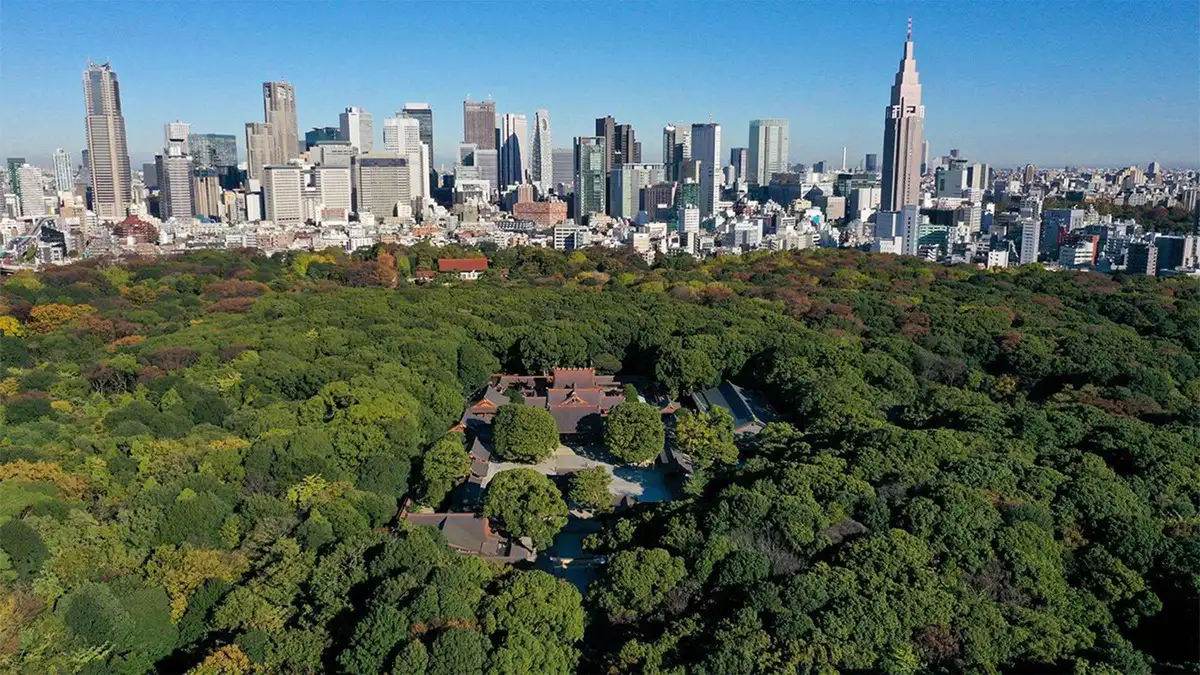 from $9.74
Tokyo: Meiji Shrine Walking Tour — Shinto & Imperial System
Ninety-minute English-only walking tour of Meiji Jingu explaining Shinto practice and Japan's imperial system, capped at 10 people. No separate ticket needed since the shrine grounds are free to enter.
Check Availability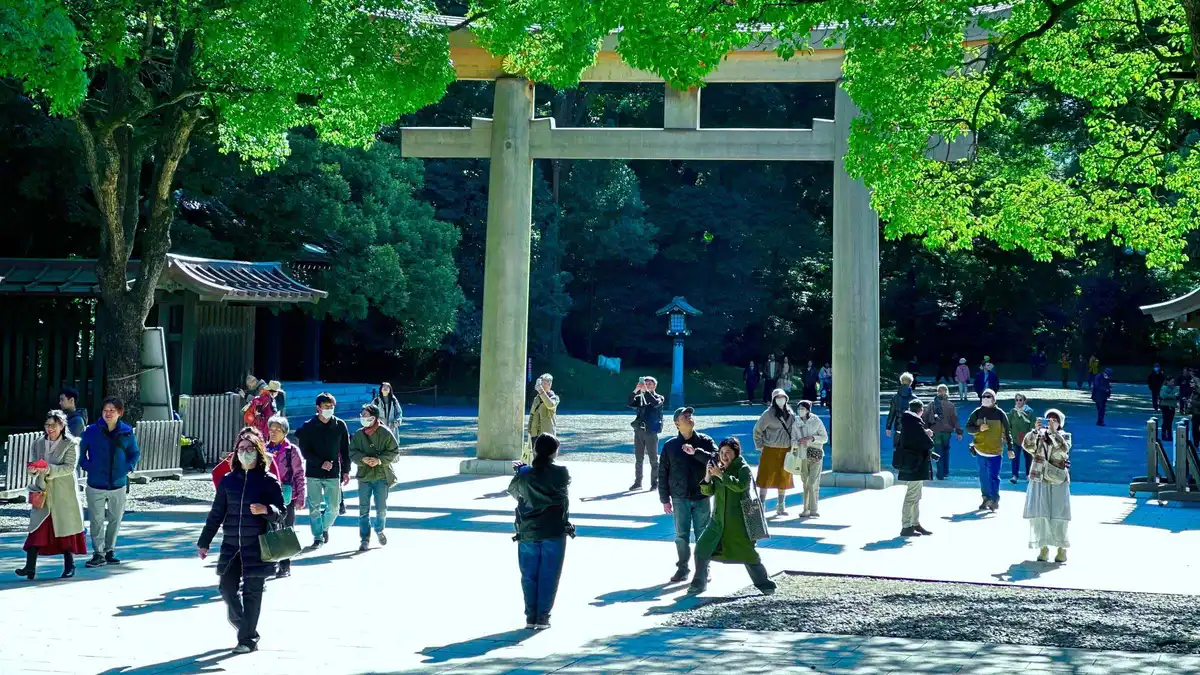 from $9.74
Tokyo: Meiji Jingu Shrine and Shinto Culture Walking Tour
Two-hour guided walk through Meiji Jingu, including the Imperial Garden, with a small-group format and shrine admission included. Suits travelers wanting the garden add-on the shorter tour skips.
Check Availability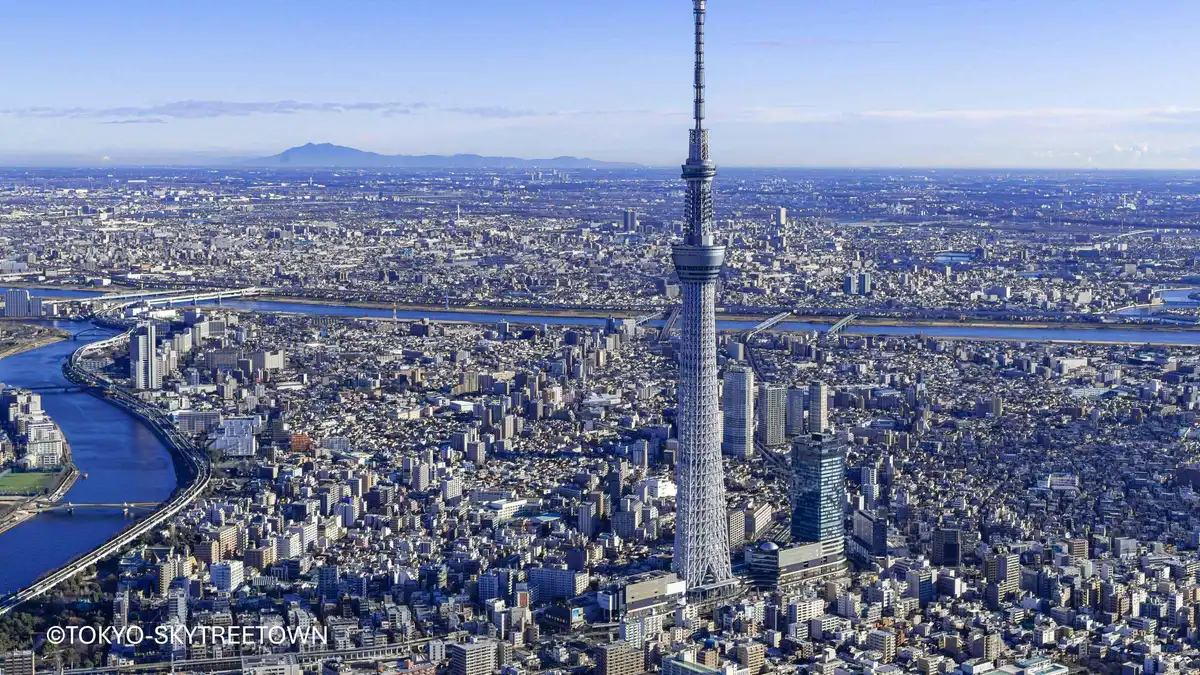 from $84.41
Tokyo: 1 Day Bus Tour with Meiji-Jingu,Odaiba,lunch&Skytree
A full-day Hato Bus circuit through Meiji Shrine, the Imperial Palace outer garden, Odaiba and Asakusa, with a buffet lunch and Tokyo Skytree Tembo Deck entry included, guided in English.
Check Availability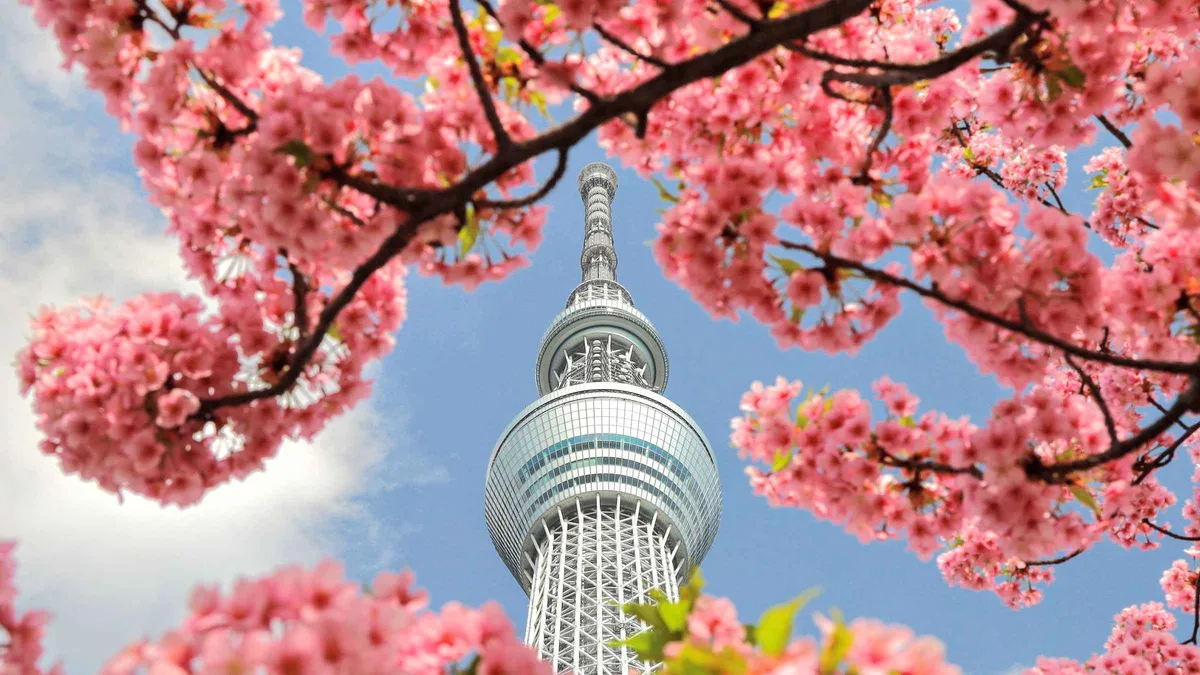 from $123.37
Tokyo: Meiji Shrine, Asakusa, Skytree Bus Tour and Cruise
A full-day coach circuit through Meiji Shrine, Asakusa, Tokyo Skytree and a Tokyo Bay cruise, with skip-the-line Skytree entry, a matcha tasting and an optional Japanese lunch included.
Check AvailabilityPrices, ratings and details are the platform's own. Dollar figures are the listed prices. The platform bills in your account's currency.
What Meiji Jingu Is: A Shrine From 1920 And A Forest That Was Planted For It
The building is younger than most visitors assume, and the forest around it is younger still. Both facts come off the shrine's own history pages, and both change how the place reads.
Meiji Jingu enshrines Emperor Meiji, who reigned from 1867 to 1912, and his consort Empress Shoken. It was established in 1920 to commemorate the pair who, in the shrine's own words, took the initiative to lay the foundation of a modernised Japan. That is the whole of the religious brief: this is not an ancient site with a long medieval history, it is a national memorial built in the twentieth century in an older architectural language.
The graves are not here either. Emperor Meiji is buried at Fushimi-momoyama, south of Kyoto.
The forest was farmland, and every tree in it was a gift
Before the shrine, the land was the Minami-toshima imperial estate: apart from the ground that is now the Inner Garden, it was mostly fields and rough open country. To make what the planners called an eternal forest, about 100,000 trees were donated from every part of Japan and planted by around 110,000 young volunteers who also cut the approaches. The forestry scientists in charge, Honda Seiroku, Hongo Takanori and Uehara Keiji, chose broadleaf evergreens such as shii, kashi and kusunoki, arguing that Tokyo's air was already killing the city's old trees and that only evergreen broadleaf would still be standing in a century.
- Prime Minister Okuma Shigenobu wanted cedar, like the avenues at Ise and Nikko, and was talked out of it: cedar wants damp valleys and does not thrive on this ground.
- In April 1945 an air raid destroyed most of the shrine buildings. The forest survived and sheltered people, and the shrine's own account suggests the broadleaf planting, rather than resinous conifers, is part of the reason.
- At planting the inner precinct held about 120,000 trees of 365 species. The second comprehensive survey, published in 2013, counted about 36,000 trees of 234 species: natural thinning, with the survivors far larger.
- That survey also recorded roughly 3,000 species of living things inside the fence, including new records and threatened species, in the middle of a city of millions.
The practical consequence is the walk. Seventy hectares of closed canopy sits between every entrance and the main buildings, which is why the shrine tells visitors that the station-to-entrance time in its access table is only the beginning and that the shrine buildings are another ten minutes on foot from any gate. It is also why the temperature drops as you go in, and why the place is worth doing early: the forest muffles the city before the city is awake.
Meiji Jingu In Nine Dates
Nine dates that explain what you are standing in front of, in the order they happened rather than by theme.
-
1912
Emperor Meiji dies
The Diet resolves to commemorate his part in the Meiji Restoration. An iris garden the emperor and empress were known to visit, in what was then the Minami-toshima estate at Yoyogi, is chosen as the site.
-
1915
Construction begins under Ito Chuta
The shrine is built in nagare-zukuri style, mainly in Japanese cypress and copper. Timbers come from Kiso in Nagano and from Alishan in Taiwan, then a Japanese territory.
-
1915 to 1920
The forest is planted by hand
About 100,000 donated trees go in, worked by roughly 110,000 young volunteers who also build the approaches. Every prefecture contributes.
-
1920
The shrine is dedicated
The shrine still marks the enshrinement anniversary on 1 November and Emperor Meiji's birthday on 3 November, the two ceremonies at the centre of the Autumn Grand Festival.
-
October 1921
The Treasure Museum is completed
Built north of the precinct in an azekura style modelled on the Shosoin at Nara, and one of the significant early reinforced-concrete buildings in Japan.
-
April 1945
The air raid
Most of the shrine buildings burn. The forest does not, and becomes a refuge.
-
October 1958
The present shrine opens
Rebuilt with money raised by public subscription. What you photograph in the courtyard is this building, not the 1920 one.
-
June 2011
The Treasure Museum becomes an Important Cultural Property
National designation for the 1921 building, which then closed in 2017 for restoration and was shown again from 2021.
-
October 2019
The Meiji Jingu Museum opens
A two-storey, roughly 3,200 square metre building by Kengo Kuma, built for the centenary of the enshrinement. The imperial belongings that used to be displayed in the Treasure Museum are now here.
Dates from the shrine's own history, forest and museum pages at meijijingu.or.jp, with the construction materials and the 1958 rebuilding as recorded in the English Wikipedia article on the shrine.
What To See: Three Approaches, The Barrel Wall And The Courtyard
The precinct is simple once you know it has three ways in and one destination. Everything below is on the free side of the fence.
Every approach ends in the same place: a gravelled forest path, a purification basin, a wooden gate and then a courtyard with the main sanctuary at the far side. The shrine asks that you do not photograph the sanctuary itself, where people are praying, and that request is posted rather than implied. Everything else on the way is fair game.
The wall of sake barrels, and the wine barrels opposite
The single most photographed thing on the south approach is a stacked wall of decorated sake casks, donated by brewers from across the country. Facing them, and much less photographed, is a row of Burgundy wine barrels sent from France. Both are offerings rather than stock, and the pairing is a small monument to the reign the shrine commemorates: the emperor whose court took up Western dress and Western wine is thanked in both currencies at once.
The courtyard, the votive tablets and the fortune that is not a fortune
In the main courtyard you will find racks of ema, the small wooden tablets people write wishes on, and a wall of prayers left by visitors in a dozen languages. The omikuji sold here are not fortunes. Meiji Jingu's own oracle, called Omigokoro, is a set of thirty poems, fifteen by Emperor Meiji and fifteen by Empress Shoken, each with a commentary.
There is no good luck or bad luck printed on it, which is unusual enough that people who collect omikuji elsewhere are often confused by it.
- Goshuin, the calligraphed shrine seal, is issued at Nagadono, the counter in front of the Kaguraden, from 09:00 until the gates close. The shrine notes the counter can move on a busy day.
- Amulets and tablets are sold at three places: Nagadono, the Kaguraden and the south counter.
- Old amulets from this shrine go in the furu-ofuda box to the right of the south purification basin. Amulets from other shrines and lucky charms are not accepted there.
If you want the shrine as more than a photograph, come on a weekend morning. Shinto weddings are held here, and a wedding procession crossing the courtyard behind a priest and a red parasol is a routine sight rather than a staged one. The shrine's own website links its ceremonies to Meiji Kinenkan, the hall in the outer precinct that arranges them, which is the clearest sign that these are real ceremonies and not a display.
Watch from a distance, stay out of the line of the procession, and do not photograph faces.
How Much Time To Give Meiji Jingu
The shrine states no visit length, so these three routings are ours, built from the ten-minute walk in from any gate and the opening hours of the two paid buildings.
The variable is not the shrine, which is one courtyard, but the walking. Ten minutes in and ten minutes out is fixed whatever you do, so a visit that only reaches the courtyard is already half walking. That is also why the two paid parts are worth deciding on before you go in rather than at the gate: the Inner Garden sits off the south approach, so it costs you almost no extra walking, while the museum is near the south entrance and the Treasure Museum building is at the far north end of the precinct.
| Routing | What you get | What it skips | Door to door |
|---|---|---|---|
| The short visit | One approach in, the barrel wall, the purification basin, the courtyard and the sanctuary from the front, then back the same way | Both paid buildings, the north and west approaches, and any sense of the forest beyond the path | About 60 minutes from the station gate and back to it |
| The full visit | The same, plus the Inner Garden at $3.24 (¥500) with Kiyomasa's Well and the iris field, and a different approach on the way out | The museum, unless you add another 45 minutes | Two to two and a half hours, and closer to three with the museum |
| With a guide | The two-hour walk at $9.74 covers the shrine and the Inner Garden with the garden fee inside the price; the 90-minute walk at the same price stays on the free side and spends the time on Shinto practice instead | Neither guided walk includes the museum, and neither is long enough to reach the north approach | Two hours if you leave with the group, longer if you stay behind |
Hours: The Gate Opens With The Sunrise, Every Month A Different Time
Meiji Jingu is the rare major sight with no fixed opening time. The shrine publishes a month-by-month table because the gates track sunrise and sunset, and the figures below are that table as published.
Two consequences matter for planning. First, a winter afternoon is short: in December the gates shut at 16:00, which is before many people have finished lunch on a jet-lagged first day. Second, a June morning is enormous: the gates open at 05:00, roughly four hours before anything else in the city, which makes this the single best first stop of a Tokyo trip for anyone awake at the wrong time.
| Month | Gates open | Gates close |
|---|---|---|
| January | 06:40 | 16:20 |
| February | 06:20 | 16:50 |
| March | 05:40 | 17:20 |
| April | 05:10 | 17:50 |
| May | 05:00 | 18:10 |
| June | 05:00 | 18:30 |
| July | 05:00 | 18:20 |
| August | 05:00 | 18:00 |
| September | 05:20 | 17:20 |
| October | 05:40 | 16:40 |
| November | 06:10 | 16:10 |
| December | 06:40 | 16:00 |
The shrine adds one warning to that table which is easy to miss: individual places and facilities inside the grounds keep shorter hours, mainly 09:00 to 16:00. So arriving at 05:30 in July gets you the forest, the approach and the courtyard, and gets you nothing at all that has a door on it. There is no closed day.
The grounds are open every day of the year, including the days when most of the city's museums shut.
Is it open at night?
No. The gates close at sunset and there is no evening opening, no illumination event in the standard calendar and no late admission. The one exception in the year is New Year, when the shrine receives the largest hatsumode crowds in Japan and the timetable is announced separately on its own site. If you want a Tokyo landmark after dark, that is a job for the observation decks, not for this one.
The Two Parts You Pay For: The Inner Garden And The Museum
Both sit inside the free precinct and both are bought at their own counter. Prices and hours below are from the shrine's own garden and museum pages, converted at ¥1,000 to $6.48.
The Inner Garden, Meiji Jingu Gyoen, was a daimyo garden belonging to the Kato and then the Ii families in the Edo period. It became imperial property in the Meiji era and was laid out as a strolling garden around 1893, on the emperor's instruction, for an empress in poor health. The shrine states plainly that the presence of this garden was one of the main reasons Yoyogi was chosen as the site at all.
Inside are Kiyomasa's Well, a spring that yields an average of 60 litres a minute at a steady temperature of about 15 degrees Celsius all year, the South Pond it feeds, the tea house rebuilt in 1958 after the war destroyed the 1900 original, and the iris field.
| What | When it opens | Price | Closed |
|---|---|---|---|
| The shrine grounds | Sunrise to sunset, see the table above | Free | Never; open every day of the year |
| Inner Garden (Gyoen), March to October | 09:00 to 16:30 | $3.24 (¥500) at the garden gate | Open all year, no closed day |
| Inner Garden, November to February | 09:00 to 16:00 | $3.24 (¥500) | Open all year |
| Inner Garden, during June | 08:00 to 17:00, and to 18:00 on Saturday and Sunday | $3.24 (¥500) | Open all year; this is the iris month |
| Meiji Jingu Museum | 10:00 to 16:30, last entry 16:00 | $6.48 (¥1,000); $5.83 (¥900) high school and under, and groups of 20 or more | Every Thursday, unless it is a national holiday, plus exhibition changeovers |
June is the only month the garden has a queue
The iris field was planted in 1903 at the emperor's wish for the empress. It held about eighty Edo-lineage varieties at the shrine's founding and now runs to roughly 150 varieties and 1,500 plants, and the shrine publishes a bloom count during the season: on one day in early June this year the tally was 4,897 flowers open. That is the month the garden's hours stretch to 18:00 at weekends, and the month the $3.24 is unarguable.
In February, with the same fee, you are paying for a quiet pond.
What the museum is, and what it is not
The Meiji Jingu Museum opened in October 2019, designed by Kengo Kuma, about 3,200 square metres over two floors with a low, wide roof and a first-floor view back into the trees. It holds the emperor's and empress's own things: the desk and writing tools in daily use, the books they read, the six-horse state carriage that has been restored. The building most guidebooks still call the Treasure Museum is a different, older one at the north end of the precinct, and it is not a place you can simply turn up to.
The collection moved out in 2019 and the 1921 hall now opens only for limited periods announced on the shrine's site.
Five Things Most Visitors Do Not Know About Meiji Jingu
All five come off the shrine's own pages, and each one changes something practical about the visit.
- The forest is planted, and it is shrinking on purpose. About 100,000 donated trees went in between 1915 and 1920; the survey published in 2013 counted roughly 36,000 trees of 234 species against about 120,000 of 365 species at planting, as the canopy closed and the survivors grew [meijijingu.or.jp forest and highlights pages]. - The museum shuts on Thursdays, and shuts again between exhibitions. It was closed from 7 to 25 September 2026 for a changeover and reopens on 26 September with an exhibition marking the centenary of the outer precinct, so a Thursday-free itinerary is not enough on its own [meijijingu.or.jp museum notices]. - The famous Treasure Museum is not the museum you can visit. The 1921 hall, an Important Cultural Property since June 2011, opens only for limited announced periods; the imperial belongings have been in the new museum since October 2019 [meijijingu.or.jp Treasure Museum page]. - The omikuji here does not tell fortunes. Omigokoro draws on thirty poems by the enshrined emperor and empress with a commentary attached, and prints no luck ranking at all, unlike almost every other shrine box in Japan [meijijingu.or.jp visitor pages]. - Running, sport and professional photo shoots need permission, and the sanctuary may not be photographed. The shrine's posted rules also ban taking anything living, or any soil, leaf or nut, into or out of the forest, which is why the paths are fenced with rope rather than with signs [meijijingu.or.jp etiquette and visitor notices].
At Meiji Jingu: What To Do, And What Not To
Every line here is a decision argued somewhere above, compressed into the form you can act on that morning.
Do
- Arrive within the first hour after the gates open; in summer that is 05:00, and the forest is yours
- Bow once at the torii before you step through, and keep to the side of the path rather than its centre
- Rinse hands and mouth at the temizuya, then at the sanctuary offer a coin, bow twice, clap twice, pray, bow once
- Pay the $3.24 (¥500) for the Inner Garden in June, when the iris field is open to 18:00 at weekends
- Check the museum's notices before you count on it: it closes on Thursdays and again between exhibitions
- Cover your skin in summer; the shrine warns about insects in a forest this dense
Don't
- Don't photograph the main sanctuary where people are praying, and don't film anywhere for commercial use without permission
- Don't plan on ten minutes from the station: the gate is close, but the buildings are another ten-minute walk inside
- Don't arrive at 15:30 in December expecting an unhurried visit; the gates shut at 16:00 and the paid buildings earlier still
- Don't step off the gravel into the trees, and don't take home a leaf, a nut or a stone; the posted rules forbid all three
- Don't cycle in. Bicycles and motorcycles stop at the parking areas by each entrance
- Don't expect an evening visit; there is no night opening outside the New Year timetable
The prayer sequence and the rules above are as published on the shrine's own visitor and etiquette pages.
How To Get There, And Which Entrance To Use
Three entrances, three completely different walks. The station-to-entrance figures below are the shrine's own; the shrine adds that it is at least another ten minutes from any entrance to the main buildings.
Most visitors arrive at the south entrance because it is the one the trains land on, and it is the right choice for a first visit: the great cypress torii, the barrel wall and the Inner Garden are all on that approach. The north and west entrances are quieter, and if you are walking on from the shrine rather than back to the same station they can save you the return leg.
| Entrance | Station and line | Station to entrance | Use it if |
|---|---|---|---|
| South (Harajuku-guchi) | Harajuku, JR Yamanote Line; or Meiji-jingumae 'Harajuku', Tokyo Metro Chiyoda and Fukutoshin lines, exit 2 | About 1 minute | It is your first visit, or you want the barrel wall, the Inner Garden and the museum |
| North (Yoyogi-guchi) | Yoyogi, JR and Toei Oedo lines | About 5 minutes | You are coming from the north of the city, or driving; this is the only entrance cars may use |
| West (Sangubashi-guchi) | Sangubashi, Odakyu Line | Short walk, minutes not published by the shrine | You want the emptiest approach, or you are combining the shrine with the west side of the park |
| Meiji Jingu Museum | Harajuku, Omotesando ticket gate west exit; or Meiji-jingumae exit 2 | About 5 minutes | You are going to the museum only and not into the precinct |
Bicycles and motorcycles must be left in the parking areas at each entrance and may not be ridden inside. Wheelchairs are available free at the entrance to the grounds. Drivers should note two things the shrine states directly: you cannot enter by car at the south or west gates, only at Yoyogi-guchi, and the shrine asks that its address be entered into a car navigation system as Yoyogi 1-1-2 rather than its real postal address, because the real one sends cars to the wrong side of the forest.
Given the traffic, the trains are the answer here, as they are almost everywhere in this city.
Meiji Jingu map: the three entrances and what is next door
The main sanctuary, the three approaches into the forest and the four places within a fifteen-minute walk of the south entrance.
Pin positions are the entrances and landmarks as shown on the shrine's own precinct map and on OpenStreetMap; walking times are our estimates from the distances.
Next stop from the torii
Walk minutes are our estimates from the distances. The south entrance puts you within two minutes of a completely different Tokyo.
Harajuku
Cross the station forecourt and you are at the arch of Takeshita Street. The district guide covers which street suits which visitor, what the food costs and when the crush becomes unbearable.
2 min walkShibuya Crossing
South down the back streets, or one stop on the Yamanote Line. The crossing is free and busiest after dark, which pairs neatly with a shrine that closes at sunset.
20 min walk, or one stopShinjuku Gyoen
If the Inner Garden left you wanting more, the national garden is the larger version, at $3.24 (¥500) with its own closed day on Monday and a greenhouse.
About 12 minutes by trainMeiji Jingu questions
Is Meiji Jingu free to enter?
Yes. The shrine grounds, the approaches, the courtyard and the sanctuary front cost nothing and need no ticket or reservation, every day of the year. Two things inside are paid: the Inner Garden at $3.24 (¥500) and the Meiji Jingu Museum at $6.48 (¥1,000), each bought at its own gate. If you want the garden without a second decision, the two-hour guided walk includes the garden fee in its price.
What time does Meiji Jingu open and close?
The gates track the sunrise and sunset, so the times change every month: from 06:40 to 16:00 in December, and from 05:00 to 18:30 in June. The full month-by-month table is above. Facilities inside, including the garden and the museum, keep shorter hours, mainly from 09:00 or 10:00, so an early arrival gets you the forest and the courtyard and nothing with a door.
How long does it take to walk through Meiji Jingu?
The shrine states that it is at least ten minutes on foot from any entrance to the main buildings, so twenty minutes of the visit is walking whatever else you do. Allow an hour for a straightforward visit, two with the Inner Garden, three if you add the museum. The 90-minute guided walk covers the free part at a guide's pace.
Is Meiji Jingu worth visiting?
It is worth it for the forest as much as for the shrine. Seventy hectares of planted evergreen woodland in the middle of the city is the rarer thing, and it costs nothing to walk. Go early and it is one of the best hours in Tokyo; arrive at 14:00 on a Saturday and you are in a slow queue of people photographing the same gate. If you only have time for one religious site and want the older, busier, more theatrical one, that is the temple in Asakusa instead.
Can I get a goshuin at Meiji Jingu?
Yes. The seal is issued at Nagadono, the counter in front of the Kaguraden, from 09:00 until the gates close, and the shrine notes the counter may move on a busy day. Bring a goshuincho book and cash. The shops inside the grounds do not all take cards, and the money and daily costs page covers what still needs coins in this city.
Is Meiji Jingu open at night?
No. The gates close with the sunset, as early as 16:00 in December, and there is no evening opening or illumination in the normal calendar. The exception is the New Year period, when the shrine publishes a separate timetable for hatsumode. For a landmark after dark, look at the observation decks and towers rather than here.
What is Meiji Jingu known for?
Three things: the enormous cypress torii on the approach, the wall of donated sake barrels, and the fact that the forest around it was planted from scratch between 1915 and 1920 with about 100,000 donated trees. Weddings held here are real ceremonies rather than displays, arranged through the hall in the outer precinct, which is why a procession may cross the courtyard while you are standing in it.
Where The Shrine Fits In A Tokyo Day
Meiji Jingu is a morning, and it is a morning that pays for itself because it is free and because it sits next to two districts that only wake up later.
The obvious sequence is shrine, then the streets outside it, then south. Be at the south entrance when the gates open, walk in, take the courtyard and the barrel wall, and add the Inner Garden if you are here between the end of May and the end of June. You will be back out by the time the shops on Takeshita Street raise their shutters, which is exactly the right order: one of those two places is ruined by crowds and the other is made of them.
From there it is a walk down Omotesando or twenty minutes south to the crossing, which is better after dark anyway.
Planning around the short winter day
Two practical notes for fitting it into a fixed itinerary. This shrine has no closed day, so it is a reliable answer on the day much of the city shuts; the Monday list sets out what else is open. And in winter the useful window is short, roughly six hours from gate to gate in December, so a shrine visit and a museum visit on the same short afternoon do not fit. The one-day itinerary places it first for that reason, and the full list of what to see marks which of the alternatives are timed.
Meiji Jingu on Film: the Approaches, the Forest and the Courtyard
Three uncut walks that show what the ten minutes from gate to courtyard actually looks like, and how different the same path is in summer light and in low winter sun. Watch one and the distances on this page stop being abstract.
TOKYO, JAPAN [4K] MEIJI JINGU SHRINE, Walking Tour
The full walk in from the south entrance to the main courtyard, at the pace you will actually do it.
Video: VioletVikWalking Meiji Jingu Shrine Tokyo Japan
A recent summer walk, filmed when the gates open at 05:00 and the approaches are close to empty.
Video: Tokyo FanYoyogi and Meiji Jingu, Tokyo Walk 4K
The shrine and the park next door in one route, useful if you plan to leave by a different entrance.
Video: Yoitoko PicksVideos load from YouTube only when you press play.
Prices, hours and terms are set by the venue or operator and confirmed at checkout.
We may earn a commission if you book through one of our links, at no extra cost to you. Full affiliate disclosure