 Visit Tokyo Guide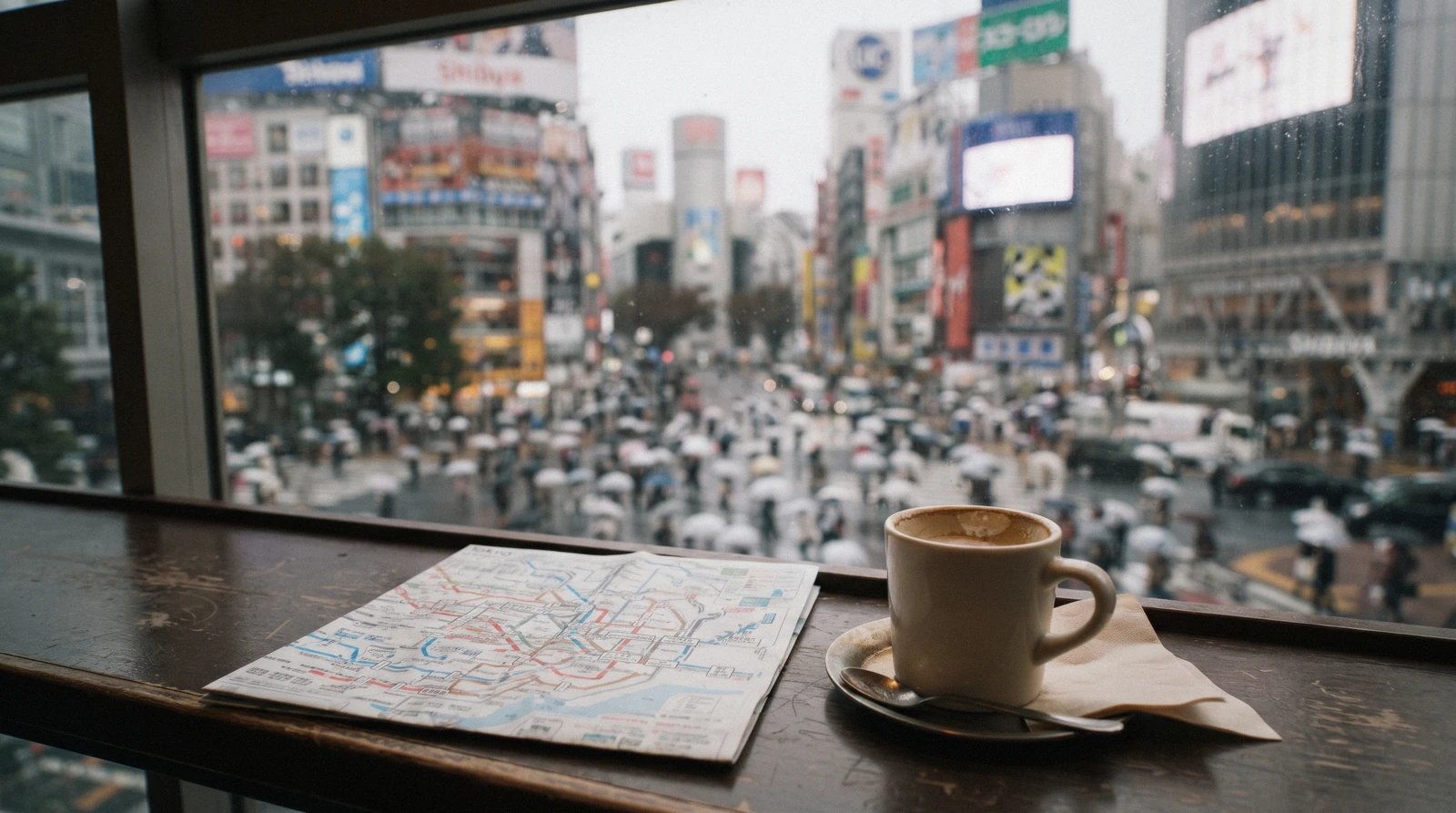
Plan a Trip to Tokyo
Tokyo trip planning goes wrong in one particular way: people research attractions for weeks and then discover, three days out, that the one thing they most wanted to see sold its tickets on the tenth of the previous month. This page is the index to the decisions, in the order they actually need making, with the short answer here and the full detail on the page that owns it. Every figure below was read from the operator, venue or ministry that publishes it; dollars are converted at ¥1,000 = $6.48. Everything the plan points at, from the sights to the day trips, is indexed on our guide to things to do in Tokyo.
Quick answer How long, what to book, which day to avoid, what to spend
Three full days is the honest floor for a first visit to Tokyo, and five is the length most people wish they had booked. Reserve four things before you fly and let everything else walk up: the Ghibli Museum, the Imperial Palace tour, teamLab and a dated observatory slot. Keep Monday off the national and metropolitan museums, and budget about $38.90 (¥6,000) a person a day on top of the room.
Key takeaways
- Pick the length first, because it decides everything after it: one day, two days or three days, with a fourth day best spent outside the city rather than adding another ward.
- Four bookings and no more: the sales window that opens on the tenth is the one people miss, and the tickets compared show which sights simply take your money at the door.
- Check the weekday before you fix a slot. What is open on a Monday is the single most useful page here, because the closures are not where visitors expect them.
- Then the practical layer: which area to sleep in, how the three rail networks work, and a guided first morning from about eighteen dollars a head.
Start Here: Four Decisions, In Order
Most Tokyo plans fail because they are built in the wrong sequence. These four come first, and each one narrows the next.
How long. Tokyo is not a city you finish. Two days gets you the temple, the crossing and one view; three days adds a museum, a market morning and an evening that is not spent on a train; five days lets you take a whole day out to the mountains without feeling you have stolen it from the city. Decide this before you look at a single hotel, because the length decides the area, and the area decides how much of each day disappears into transfers.
When. October and November are the driest, mildest stretch of the Tokyo year on the thirty-year record, with average highs of 21.1°C and 16.0°C and only 9.9 rainy days in November. Late March and early April carry the cherry blossom and the crowds that come with it. August averages a 30.0°C daily high and September is the wettest month of the year at 178 mm, which is a real constraint on a walking city. The month-by-month page has the whole series, and the events calendar has the dates that fill the hotels.
What has to be booked. This is the short list, and it is genuinely short: four things. Everything else in Tokyo, including two of the three famous observatories, is a walk-up if you are willing to be flexible about the hour. The section below sets out each window and what happens if you miss it.
Where to sleep. Not the hotel, the area. In a city where a single ride can be forty minutes, the district you wake up in is the biggest single lever on how much of the trip you actually spend seeing things. The seven areas are compared side by side, with what a room in each was going for and what you give up by choosing it.
How Many Days Tokyo Needs
What each trip length actually buys, matched to the itineraries on this site. The routes and their timings come from the venues' own published hours, read in Q3 2026; the judgement about what fits in a day is ours, and the last column links the plan that sets it out hour by hour.
| Length | What it buys | What it will not reach | Book before you fly | The plan |
|---|---|---|---|---|
| One day | Senso-ji at opening, the crossing, one paid view, one neighbourhood walk after dark | Any museum worth the entry, any market morning, anything east of the river beyond the temple | One dated observatory slot, and nothing else | Tokyo in 1 day |
| Two days | The one-day route plus a market morning, a garden, and an evening that is not a forced march | A day trip, the Ghibli Museum, an unhurried museum afternoon | The observatory slot and a teamLab entry, which is advance-only | Tokyo in 2 days |
| Three days | The full central circuit with a museum, both riverside districts and one evening district properly walked | Mount Fuji, Nikko, Hakone: none of them fit without sacrificing a city day | Add the Imperial Palace tour if the dates line up with its calendar | Tokyo in 3 days |
| Four to five days | Three city days plus one full day out, and a spare morning for the thing you underestimated | Two day trips: the second one is always the one that ruins the sleep pattern | The day trip's transport pass, plus the four city bookings | Day trips from Tokyo |
| A week | The city at walking pace, two days out, and the museums that need three hours rather than one | Very little in Tokyo itself; at this point the constraint is your legs, not the calendar | The Ghibli Museum, whose sales window is the one thing a long trip still cannot rescue | Things to do in Tokyo |
Nobody publishes an official figure for how long Tokyo takes, and none of the venues on this site publishes a recommended visit duration either, which is why the time_needed line on our attraction pages so often reads "not stated". The lengths above are our own routing against published opening hours, not a claim of authority.
Every Planning Page, In The Order You Need Them
Twenty-four pages, grouped by when in the planning each one matters. Read down a group in order, or jump to the one your trip is stuck on. Each line says what the page settles, not what it is called.
How long, and what fills the days
-
Tokyo in 1 day
A timed route from the temple at opening to a view after dark, with walking minutes between stops.
-
Tokyo in 2 days
Two routes that do not cross, so the second day is not a rerun of the first.
-
Tokyo in 3 days
The full central circuit, with the closure swaps that keep a Monday from wrecking it.
-
Things to do in Tokyo
Every sight this guide covers, ranked and numbered to a map, with what each one charges.
-
The Tokyo map
One filterable map of the sights, districts and viewpoints, for working out what sits beside what.
Money, tickets and the free list
-
What a Tokyo trip costs
Three daily budgets built from published chain and venue prices, plus the two taxes that catch people.
-
Tickets compared
Every ticketed sight in one table: the official price beside the reseller price, and which ones sell out.
-
Guided tours compared
Every tour on this site on one table, with the gate price beside the listing price.
-
Free things to do
A temple, a shrine, a 202-metre view and a garden that charge nothing, each claim sourced.
-
What is open on a Monday
The closures are not where you think: the towers open, the national museums do not.
Getting there and getting around
-
Narita Airport to Tokyo
Skyliner, Narita Express and the low-cost bus, with the official fares and journey times.
-
Haneda Airport to Tokyo
Monorail, Keikyu and the limousine bus, and why Haneda is worth paying a little more to land at.
-
Getting around Tokyo
Three networks that share one city, the transfer discount, and when a pass actually beats singles.
-
Staying connected
Whether your own number works here, what an eSIM saves and where the free public wifi is.
Where to sleep
-
Where to stay in Tokyo
Seven areas by nightly rate band, the line you will use most and the walk back at midnight.
-
The districts compared
What each area actually contains, for choosing a half-day rather than a hotel.
When to come
-
Best time to visit
Month by month from thirty years of reanalysis data, with the crowd and closure notes beside it.
-
Events calendar
The festivals, the tournament dates and the holiday weeks that empty the hotels or fill them.
Who is travelling
-
Tokyo with kids
The free and reduced age tiers differ by up to seven years between venues; here they are in one place.
-
Accessible Tokyo
What the operators actually publish about step-free routes, and what they conspicuously do not.
-
Safety and scams
What the police actually publish, what they do not, and the two districts where touting is a real thing.
Out of the city
-
Day trips from Tokyo
Seven destinations by travel time, cost and how much of the day each one eats.
-
Mount Fuji
The visibility odds are published and they are worse than the photographs suggest; plan accordingly.
-
Hakone
The loop, the pass arithmetic and the ropeway that closes for volcanic gas without notice.
-
-
Kamakura
The Great Buddha, the coastal railway and a day pass that costs less than a return ticket.
A page that is in neither the top menu nor this list is invisible, so this index carries every planning page on the site, including the ones the menu has no room for.
What To Book Before You Fly, And What Simply Walks Up
Eight things visitors assume need booking. Four of them do. The windows, sales channels and consequences below come from each venue's own ticket page, and the last column is the part nobody tells you until it is too late.
The four that genuinely have to be booked
The pattern worth internalising is that Tokyo's advance-only venues are advance-only because of capacity, not popularity. The Ghibli Museum sells a fixed number of timed slots through one channel and none at the door. teamLab sells nothing on site at Planets and only leftover stock, at a higher price, at Borderless. Everything else on this list is a preference, not a requirement.
| What | When it goes on sale | Where | If you leave it |
|---|---|---|---|
| Ghibli Museum | 10:00 Japan time on the tenth of the previous month, first come | Lawson Ticket only | There is no door sale. None. This is the one booking that cannot be rescued on arrival. |
| Imperial Palace guided tour | 05:00 Japan time on the first of the previous month, closing four days before the visit | The Imperial Household Agency's own application site | Same-day numbered tickets are handed out at Kikyo-mon Gate, one per person, capped at 200 on the tour |
| teamLab Planets | Dated slots, sold continuously | The official ticket store or an authorised reseller | Nothing is sold at the venue at all; the date and time can be changed three times, up to two hours before |
| teamLab Borderless | Dated slots, sold continuously | The official site and Klook | Same-day stock is sometimes sold at the door, at ¥200 more than online |
| Shibuya Sky | Dated, timed slots | The venue's own ticket page | The 14th-floor counter often sells out; you pay $19.44 (¥3,000) or $24.00 (¥3,700) there against $17.50 (¥2,700) or $22.00 (¥3,400) online |
| Tokyo Skytree | Any time; dynamic by date | The operator's own site or a convenience store | The counter charges ¥500 more per ticket than the online price, which starts at $11.66 (¥1,800) for the Tembo Deck |
| A grand sumo tournament | Months ahead; the September 2026 Tokyo tournament sold out entirely | The association's own ticket site | There is no walk-up general-admission tier published on the official English ticket page at all |
| The Toyosu tuna auction | Advance application, drawn by lottery | The market's own application page | It is not first come, whatever the blogs say; the lottery is the only route to the small viewing capacity |
What simply walks up
What does not need booking is a longer list and a more useful one. Senso-ji charges nothing and keeps no closed days. Meiji Jingu opens at dawn and charges nothing. The Tokyo Metropolitan Government observatory is free and takes walk-ins at 202 metres, which is a fact worth sitting with before paying for a view. Shinjuku Gyoen sells its $3.24 (¥500) admission at the gate. The Tokyo National Museum wants $6.48 (¥1,000) for the permanent collection and states no advance-booking requirement. Tsukiji's outer market is a street.
One consequence of all this: the fear that Tokyo must be locked down months ahead is mostly imported from cities where it is true. Book the four, keep the rest loose, and you will use the flexibility, because Tokyo weather and Tokyo fatigue both rearrange plans.
The Closed Days That Break A Tokyo Plan
Monday is the museum-closure day here, as in most of Japan, but the exceptions are the whole point and they are not intuitive.
The Tokyo National Museum closes Mondays, taking the next weekday instead when the Monday is a public holiday, and shuts entirely from 26 to 31 December. Ueno Zoo, inside the same park, closes Mondays on the same rule and from 29 December to 1 January. Shinjuku Gyoen closes Mondays and from 29 December to 3 January.
So far, so predictable.
Then it stops being predictable. The Tokyo Metropolitan Government's two free observatories keep separate closed days that are not the same day and are not Monday for both: the South Observatory closes on the first and third Tuesday of each month, the North on the second and fourth Monday, moving to the next business day when that falls on a national holiday. The Imperial Palace guided tour does not run on Sundays or Mondays, does not run on national holidays unless they fall on a Saturday, runs afternoons only from 1 July to 30 September, and stops entirely from 28 December to 4 January. Senso-ji publishes no closed days anywhere on its site. Tokyo Skytree's own opening calendar shows no closure on any date. Toyosu Market's closed days are set annually and separately for seafood, produce, meat and flowers by the governor, on the advice of the market's trading council, and are published only as per-commodity files, which is why no page on this site prints a weekly pattern for it.
The practical rule that falls out: put the museums on a day that is not Monday, and put the temples, shrines, towers and markets on the Monday. The Monday openings page does that arithmetic date by date, and the three-day itinerary carries the swap already built in.
What The Trip Costs, And The Two Taxes Nobody Warns You About
Tokyo is cheaper on the ground than its reputation and more expensive in the air and in the bed. The daily arithmetic lives on the costs page; two structural things belong in the planning stage because they change with your dates.
The daily ladder, in one line
On our own ladder, built from published chain and venue prices, a middling day of food, transport and one paid sight comes to about $38.90 (¥6,000) a head, a frugal one to about $16.20 (¥2,500) and a generous one with two paid tickets and a pass to about $77.80 (¥12,000). The room sits on top of all three and is the only line that moves by a factor of five. The full ladder shows every line and names the ones nobody publishes, of which sit-down dinner is the big one.
The two taxes that change on a known date
The accommodation tax changes shape on 1 April 2027. Today it is a flat charge per person per night, collected at the desk: nothing under $64.80 (¥10,000), ¥100 from there to ¥14,999, ¥200 at $97.20 (¥15,000) and above. From that date it becomes 3 per cent of the accommodation charge, the exemption threshold rises to ¥13,000 a person a night, and the tax extends to simple lodgings such as hostels and guesthouses and to registered private rentals, which the current rules do not clearly cover. The Minister for Internal Affairs and Communications approved the revision on 30 June 2026. If your trip falls after that date, price it in: on a $150 room for two it is roughly nine dollars a night rather than a few hundred yen.
Tax-free shopping flips to a refund method on 1 November 2026. Until then you present a passport and the consumption tax simply comes off at the till. After it, you pay the full price including tax, obtain customs confirmation at departure within 90 days that the goods are leaving Japan, and the shop then refunds the tax. The ¥5,000 minimum purchase stays; the old split between consumables and general goods, the ¥500,000 consumables cap and the sealed-packaging rule are all abolished. The standard consumption tax rate is 10 per cent, with 8 per cent on food and non-alcoholic drink bought to take away.
Cash, cards and tipping
Cash, meanwhile, is less necessary than the guidebooks of five years ago suggest, but still not optional: shrine offerings, small shops and older restaurants often take nothing else. Seven Bank ATMs, which sit in every 7-Eleven and most stations and airports, accept Visa, Plus, American Express, Discover, JCB, Diners Club and China UnionPay, operate in twelve languages and cap a single withdrawal at ¥100,000, or ¥30,000 for a magnetic-stripe card. Tipping is not customary anywhere: the national tourism organisation states plainly that it is not done in bars, cafes, restaurants, taxis or hotels.
Arrival Day, And The Transport Decision That Follows It
Two questions get settled in the first hour on the ground: how you get out of the airport, and whether you buy a pass. Both have published answers, and both are cheaper than the arrivals-hall signage suggests.
From Narita, the Keisei Skyliner runs to Nippori in as little as 36 minutes and Keisei-Ueno in 41, at $16.01 (¥2,470). The cheaper Access Express reaches the same stations at $8.04 (¥1,240) and Asakusa at $8.36 (¥1,290). The Narita Express carries a reserved-seat limited-express charge of $11.21 (¥1,730), or $10.56 (¥1,630) booked ticketless in advance, on top of a base fare that JR East does not publish as a static page, which is why this site does not print the combined total that other sites quote so confidently. The low-cost TYO-NRT bus runs Tokyo Station to Narita in as little as 65 minutes at $9.72 (¥1,500).
From Haneda, the monorail costs $3.37 (¥520) from any terminal to Hamamatsucho, and the combined monorail plus Yamanote discount ticket is $3.82 (¥590) to anywhere on the loop, sold at machines on weekends and holidays only. Keikyu reaches Shinagawa in 11 to 14 minutes, though its own fare page is an interactive search tool and publishes no static figure. Both airports have their full comparison on the Narita and Haneda pages.
On passes, the arithmetic is unromantic. A short Tokyo Metro ride is $1.15 (¥178) on an IC card and the longest band is $2.10 (¥324). The Tokyo Subway Ticket, sold to overseas visitors, costs $6.48 (¥1,000) for 24 hours, $9.72 (¥1,500) for 48 and $12.96 (¥2,000) for 72, so it breaks even at roughly five or six rides in a day, which is more moving about than a well-planned day involves.
The JR-only Tokunai Pass is $5.64 (¥870) for a day inside the 23 wards, and the everything-in-Tokyo Combination Ticket is $11.15 (¥1,720). The transfer between Metro and Toei knocks ¥70 off an adult fare automatically at the gate, which is the single most useful fact about Tokyo fares and the one nobody mentions. Getting around Tokyo sets out every band and the break-even for each pass.
What Actually Goes Wrong
Five failure modes we see repeatedly in the questions people ask about this city, each with the fix attached.
- Booking a hotel before choosing an area. A room forty minutes from where you want to be costs you eighty minutes a day, which over four days is an entire sightseeing day spent underground. Choose the district first: the seven areas are compared here.
- Putting the museums on a Monday. It is the one closure that is genuinely systematic, and it is easy to plan around once you know. The towers, temples, shrines and markets are the Monday list.
- Assuming the observatory has to be booked, and the Ghibli Museum does not. It is exactly the other way round. Two of the three big views take walk-ins and one of them is free; the museum in Mitaka sells out its monthly release in minutes.
- Treating Mount Fuji as a guaranteed sight. The City of Fuji's own 35-year observation series puts full visibility at 36.6 per cent at the 8am check, and the odds fall as the day goes on. Go early, go in the colder months and treat the mountain as a bonus: the day trip page has the whole series.
- Underestimating how long a day trip takes. Hakone, Nikko and Kawaguchiko are each a full day out, not an afternoon, and stacking two of them back to back is what wrecks the sleep pattern in the middle of a trip. One out day per three city days is the ratio that works.
A sixth, quieter one: arriving with no cash at all and no route to any. The withdrawal network is excellent, but it is worth having a card you know works in a Seven Bank machine before the first shrine offering box.
The Bookings A First Visit Usually Makes
Six cards covering the shapes most first trips take: an orientation walk, a full-day circuit, a timed ticket, and the day out. Prices, ratings and details are the platform's own; every card links to the operator's own calendar.
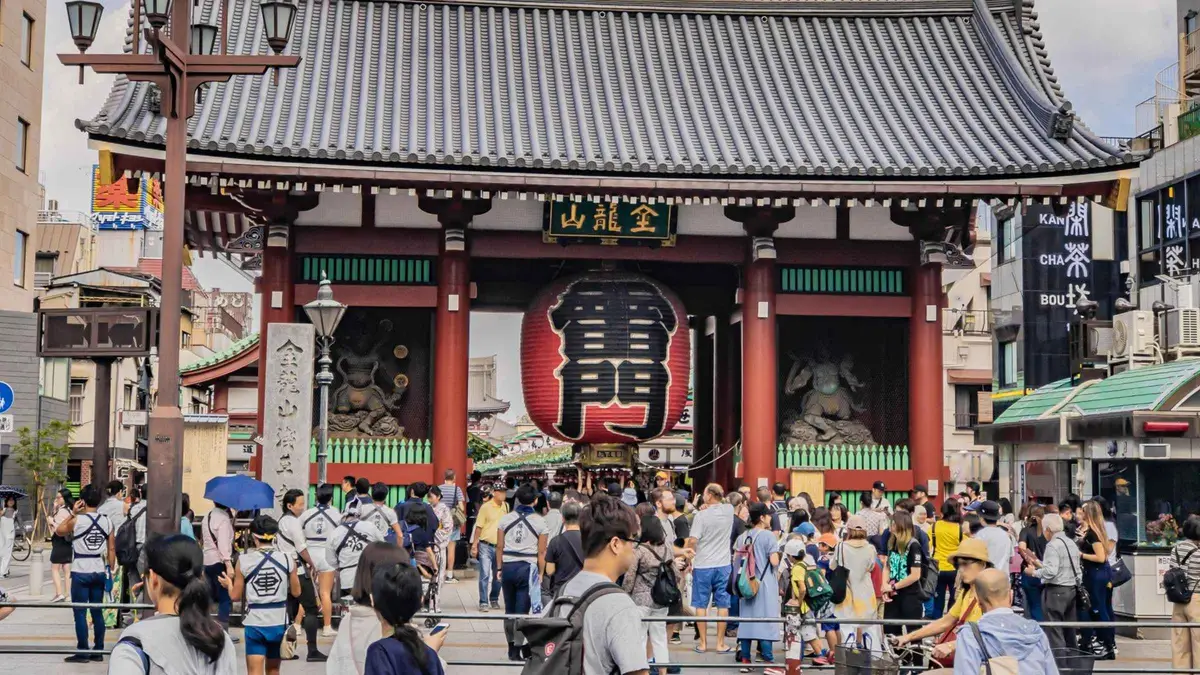 from $18.18
Tokyo: Asakusa Walking Tour with Sensoji Temple Visit
A two-hour guided walk through Asakusa covering Senso-ji Temple, the Thunder Gate and Nakamise Shopping Street, with historical and cultural context from a local guide.
Check Availability from $58.12
Tokyo: Private Custom Walking Tour with Local Guide
A private, fully customizable walking tour with a local guide who tailors the route to your interests, from landmarks to hidden neighborhoods, suited to families, couples or solo travelers wanting flexibility.
Check Availability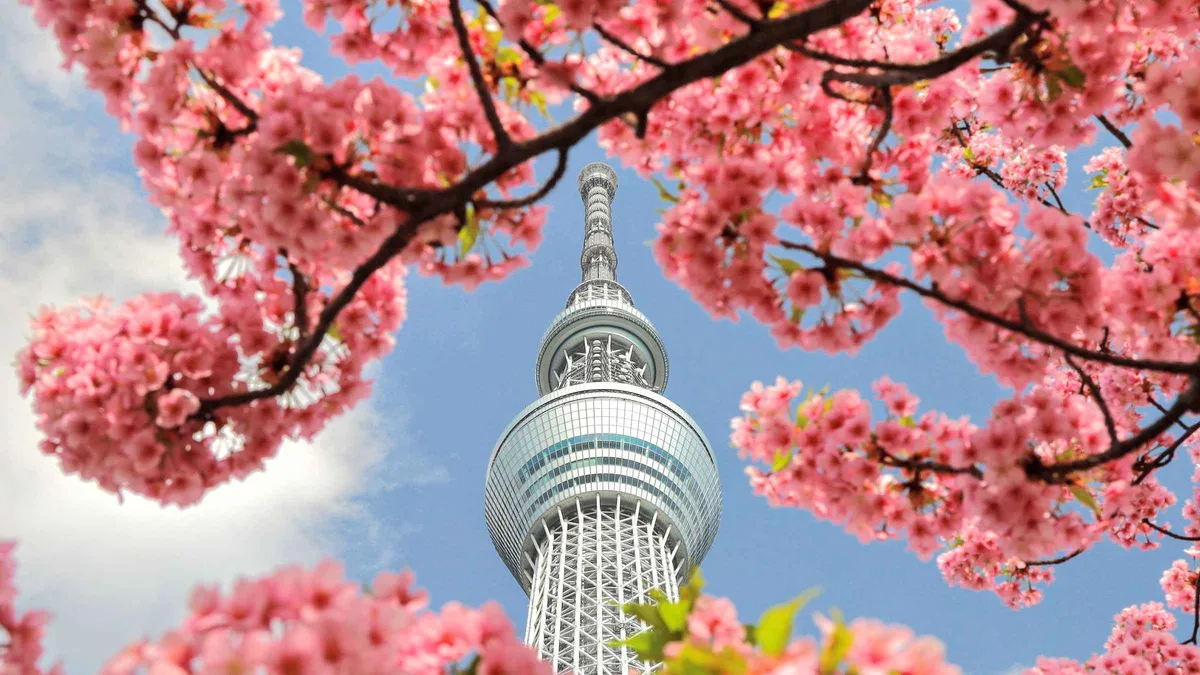 from $123.37
Tokyo: Meiji Shrine, Asakusa, Skytree Bus Tour and Cruise
A full-day coach circuit through Meiji Shrine, Asakusa, Tokyo Skytree and a Tokyo Bay cruise, with skip-the-line Skytree entry, a matcha tasting and an optional Japanese lunch included.
Check Availability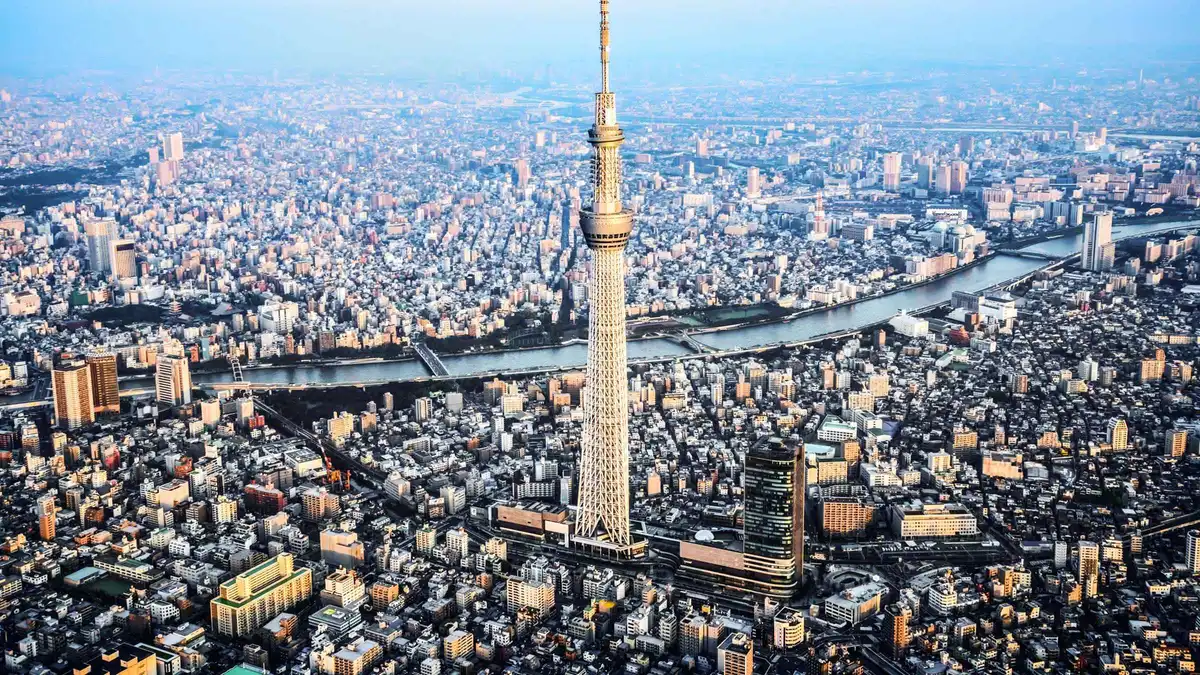 from $14.28
TOKYO SKYTREE® Admission ticket
Skip-the-line admission to Tokyo Skytree's Tembo Deck, with an optional upgrade to the higher Tembo Galleria, valid for one day with a booked start time.
Check Availability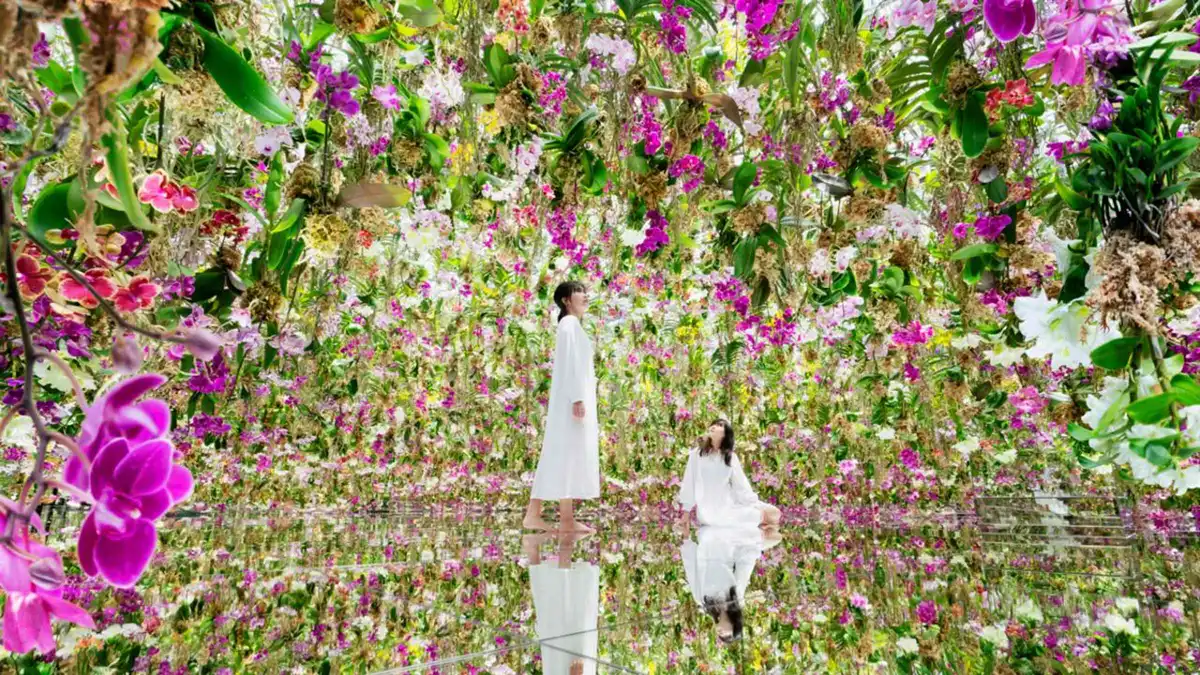 from $24.67
Tokyo: teamLab Planets TOKYO Digital Art Museum Entry Ticket
Entry ticket to teamLab Planets, a barefoot walk-through digital art museum in Toyosu with water rooms and mirrored floors. Self-guided, timed entry, official e-ticket emailed after booking.
Check Availability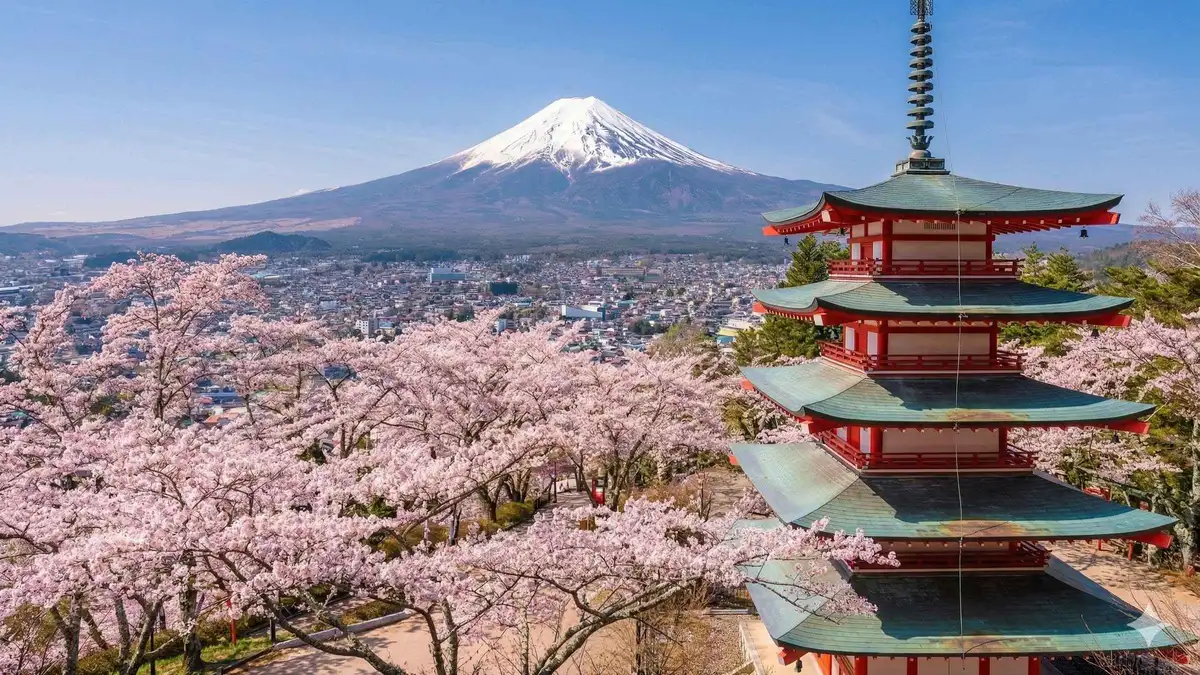 from $64
From Tokyo: Mount Fuji Full-Day Highlights Sightseeing Trip
A 10-hour coach day trip from Tokyo to Mount Fuji's 5th Station, Lake Kawaguchi's Oishi Park, Chureito Pagoda and Oshino Hakkai's spring-fed ponds, with entry fees and a multilingual guide included.
Check AvailabilityPrices, ratings and details are the platform's own. Dollar figures are the listed prices. The platform bills in your account's currency.
Where To Go Next
Three pages that turn the plan above into a booked trip.
Where to stay in Tokyo
Seven areas with what a room was actually going for in each, the lines you get and the walk home after the last train. Compare the areas.
The first bookingTickets compared
The official price beside the reseller price for every ticketed sight in this guide, and a plain note on which ones you can simply turn up to. See the tickets compared.
The second bookingGetting around Tokyo
Three networks, one city, and the transfer discount that quietly saves ¥70 a journey. Read getting around Tokyo.
The arrival hourPlanning A Tokyo Trip: The Questions
How many days in Tokyo is enough?
Three full days is the floor for a first visit and five is the comfortable answer. Two days covers the temple, the crossing and one view but leaves no room for a museum or a market morning; the fourth and fifth days are best spent outside the city rather than adding another ward. The comparison above sets out what each length buys, and the three-day plan is the one most people should start from.
What do I actually need to book before I land?
Four things: the Ghibli Museum, which sells through one channel on the tenth of the previous month and never at the door; the Imperial Palace guided tour, whose online window opens on the first of the previous month; a teamLab entry, since Planets sells nothing on site; and a dated observatory slot if you want a particular hour. The full table has each window and the consequence of missing it.
In what order should the decisions be made?
Length, then month, then the four bookings, then the area you sleep in. Doing it in that order means the hotel is chosen against a known plan rather than the other way round, which is the single most common planning mistake in this city. The four decisions sets out why each one narrows the next.
Which day of the week should I keep free of museums?
Monday. The Tokyo National Museum, Ueno Zoo and Shinjuku Gyoen all close then, taking the next weekday when the Monday is a public holiday. The temples, shrines, towers and street markets do not, so Monday is the day to walk Asakusa and ride a lift. Two exceptions matter: the free government observatories close on their own separate days, neither of which is every Monday. The closures section has the detail and the openings page has it date by date.
Is a transport pass worth buying before the trip?
Usually not before, and often not at all. The 24-hour subway ticket at $6.48 (¥1,000) needs roughly five or six rides in the day to beat single IC fares of $1.15 to $2.10 (¥178 to ¥324), and a well-planned Tokyo day rarely involves that many. Buy it on the ground on the day you know you will move a lot. Getting around Tokyo shows every fare band and the break-even.
How much cash should I bring?
Enough for the first day, then use the machines. Seven Bank ATMs are in every 7-Eleven and most stations and airports, take Visa, Plus, American Express, Discover, JCB, Diners Club and China UnionPay, and cap one withdrawal at ¥100,000. Cards are widely accepted, but shrine offering boxes, small shops and older restaurants are still cash. What a Tokyo trip costs has the daily figures.
Does the trip change if I come after April 2027?
Financially, a little. From 1 April 2027 the accommodation tax stops being a flat charge and becomes 3 per cent of the room charge, with the exemption threshold rising to ¥13,000 a person a night and hostels, guesthouses and registered private rentals brought into scope for the first time. Separately, from 1 November 2026 tax-free shopping becomes a refund claimed at departure rather than a discount at the till. The money section sets out both.
Planning Tokyo, On Film
Three planning videos that cover the ground this page covers, useful as a sanity check on the sequence rather than as a source of prices, which move.
15 Tips for First-Time Travellers to Japan
The practical layer, from ticket gates to etiquette, for anyone doing this for the first time.
Video: Japan GuideHow to Plan a Trip to TOKYO: Budget Travel Guide
A planning sequence built around the budget, which is the constraint this page treats separately.
Video: THE POOR TRAVELER ®The BEST Day Trips From TOKYO
What the fourth and fifth days can look like, and how much of each one the travel eats.
Video: Ninja MonkeyVideos load from YouTube only when you press play.
Prices, hours and terms are set by the venue or operator and confirmed at checkout.
We may earn a commission if you book through one of our links, at no extra cost to you. Full affiliate disclosure