 Visit Tokyo Guide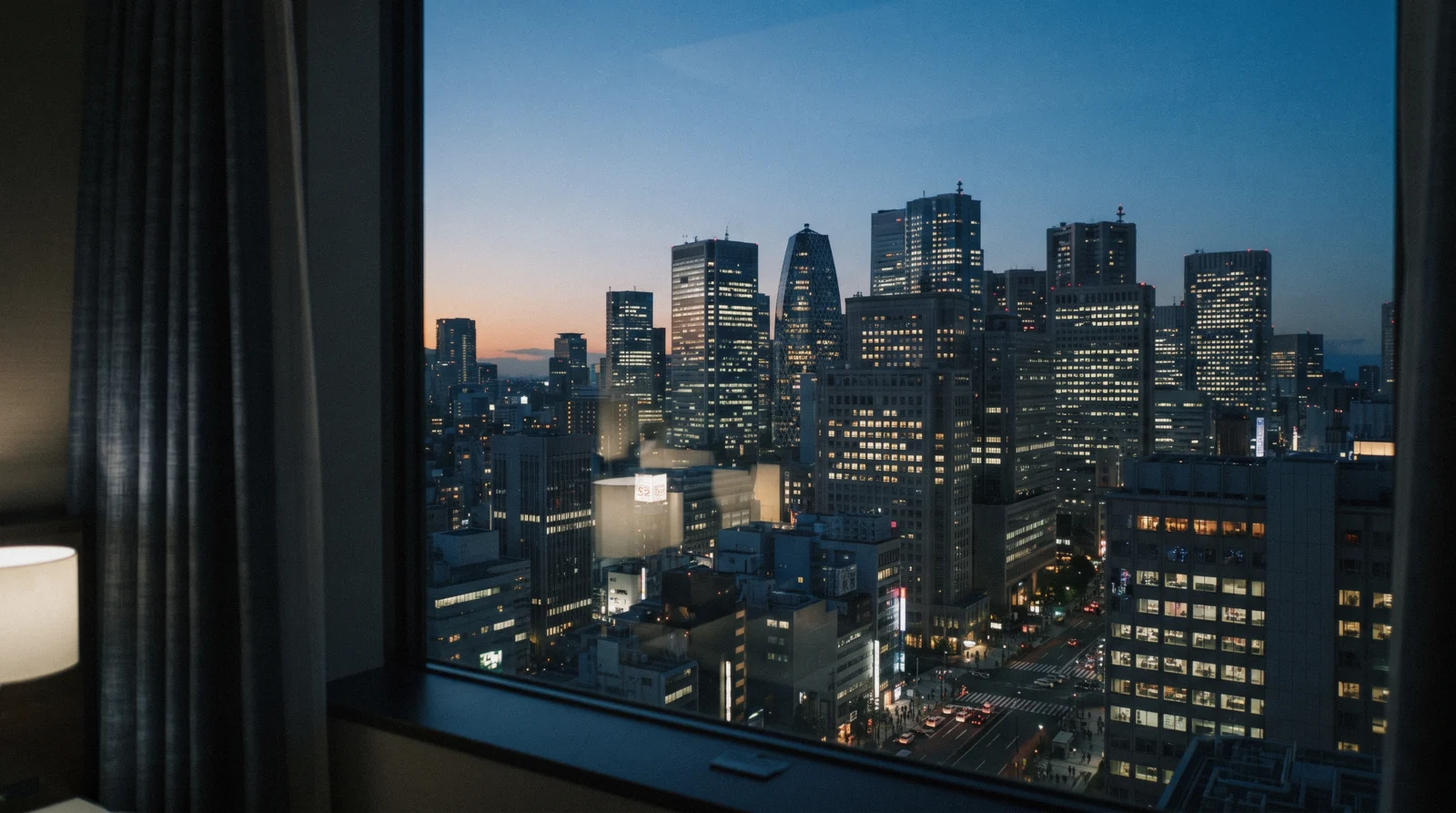
Where to Stay in Tokyo
Where to stay in Tokyo is not a question about distance from a centre, because Tokyo does not have one. It is a question about which line you will ride most, how far the walk home is after the last train, and how much noise you are willing to sleep above. The table below compares seven areas on live nightly rate bands, the operators serving each station and the trade each one asks; the sections underneath say what a room at each price actually is, what a business hotel and a capsule really mean, and what the desk adds to the bill. Rate figures are as listed; venue and tax figures are the operators' and the Metropolitan Government's own, and dollars are converted at ¥1,000 = $6.48. The rest of the trip is indexed on the planning hub. Once the base is chosen, the Tokyo city guide covers what to do in Tokyo from it.
Quick answer One area for a first visit, one for value, one for evenings
For a first visit, sleep in Shinjuku: the most connected station on earth by passenger count, a rate band lower than districts half as useful, and almost nothing in the city more than one change away. For value, sleep on the Asakusa or Akihabara side, where the middle half of listings ran $38 to $116 a night. For evenings and shopping, pay the Shibuya premium and know you are paying roughly double for the same distance from the middle.
Key takeaways
- First visit, and usually the right answer: Shinjuku, where JR East, Keio, Odakyu, Tokyo Metro and Toei Subway all meet and the middle half of rooms ran $61 to $96 a night.
- Best value with sights on the doorstep: the Asakusa side at $47 to $116, or the Akihabara side at $38 to $86, the cheapest of the seven areas queried.
- Once the area is settled, see the rooms in each one, and read what the desk adds: the tax is per person per night and changes shape in 2027.
- A ninety-minute evening walk teaches you the district you have just moved into, and the Shinjuku backstreets version meets at the station exit you will use all week.
Seven Areas Compared
Rate bands are the middle half of the listings Google Hotels returned through DataForSEO on 8 September 2026 for one midweek night, Wednesday 21 October 2026, two adults, room only, in US dollars. Google resolves a district to the ward containing it, so each band describes that ward rather than the block; station operators are the ones each station's own signage lists.
| Area | Middle half a night | Suits | The trade | Lines you get |
|---|---|---|---|---|
| Shinjuku | $61 to $96, median $72 | A first visit, a late arrival, day trips west or south | A confusing station for two days, and a loud entertainment quarter on the east side | JR East, Keio, Odakyu, Tokyo Metro, Toei Subway |
| Asakusa | $47 to $116, median $72 | Temple mornings, families wanting floor space | The far east side: everything west of the river is a ride, not a walk | Tokyo Metro Ginza, Toei Asakusa, Tobu Skytree |
| Akihabara | $38 to $86, median $52 | The cheapest beds of the seven, on the loop line | A shopping district, not a scenic one, and quiet once the shops shut | JR Yamanote, Sobu, Keihin-Tohoku, Metro Hibiya, Tsukuba Express |
| Shibuya | $90 to $232, median $142 | Nightlife and shopping on the doorstep at two in the morning | Roughly double Shinjuku for the same distance from the middle | JR and subway lines through one rebuilt complex |
| Ginza | $102 to $199, median $153 | Business travel, the theatre, a short walk to the fish market | It empties after the shops close: the least atmospheric evening here | Metro Ginza, Marunouchi, Hibiya, plus Yurakucho and Higashi-Ginza |
| Harajuku | $89 to $239, median $145 | The shrine at dawn, the fashion streets, one stop from the crossing | The same ward as Shibuya, so the same price, on a single railway line | JR Yamanote only |
| Odaiba | $61 to $367, median $199 | Families wanting the bay and big attractions in one place | Not on the JR network at all, and the widest spread of the seven | Yurikamome, or the Rinkai Line to Tokyo Teleport |
Two good bases are missing on purpose. Tokyo Station and Ueno neither have a guide here yet nor were priced in the query above, and printing a band for them from memory is exactly what this page exists to avoid.
The Four Questions That Actually Decide The Area
Almost every disagreement about where to sleep in this city comes down to one of these, and all four are answerable before you look at a single room.
- Which line will you use most? Take the three places you most want to be, see what serves them, and sleep on a station touching at least two. A base on the Yamanote loop is the safe default; a base on one private line is clever only if that line goes where you are going.
- How far is the walk from the last train? Trains stop in the small hours and taxis are not cheap. Four minutes from the gates against fifteen up a hill is a different trip, and it shows on the third night rather than the first.
- Which price band are you actually shopping in? These seven areas run from a $52 median to a $199 one for the same date. That is a ward difference, not a quality difference, and knowing your band beats comparing rooms across two of them.
- How much noise can you sleep above? Entertainment-block noise here is street level and it stops. Ask the hotel which way the room faces, which is the most useful question you can put to a Tokyo front desk.
What almost never matters, despite the amount written about it, is proximity to one attraction: every area here is within an hour of everything on the things-to-do list. What changes is how many of those hours go on a platform.
The Seven Areas On The Map
The station each area is built around, plus Tokyo Station as the reference everyone measures against. Pin positions are the station sites on the OpenStreetMap base layer, so this is a geography sketch rather than a routing map.
Rate bands in the pin notes are the middle half of Google Hotels results for one midweek night in October 2026; they move day to day.
Shinjuku: The Default Answer, And Usually The Right One
Shinjuku Station holds the Guinness World Record for the busiest station on earth, at an average 2.7 million passengers a day on the 2022 measurement against roughly 600,000 at Paris Gare du Nord. JR East, Keio, Odakyu, Tokyo Metro and Toei Subway all run through it, and the Odakyu line to Hakone starts here, so the rest of the city and the mountains west of it are a single ride. The surprise is the price: $61 to $96 for the middle half, median $72, the lowest median of any major hub in the query, because the room supply is enormous.
Two caveats: the station has more than a hundred exits, so learn one and use it every time, and the east side around Kabukicho is an entertainment quarter, so pick your block. On the doorstep sit the free 202-metre observatory, which takes walk-ins, and Shinjuku Gyoen at $3.24 (¥500), closed Mondays. The district guide has the streets.
Asakusa: Old Town, Early Mornings, More Room For The Money
Asakusa's case is the morning. Senso-ji's Main Hall opens at 6:00 from April to September and 6:30 from October to March, charges nothing and publishes no closed days at all, so a room here means walking a temple that receives around 30 million visitors a year while it is still nearly empty, and Nakamise-dori is a different street at seven than at eleven. The station carries the Tokyo Metro Ginza Line, the Toei Asakusa Line and the Tobu Skytree Line, which runs to Nikko.
Google resolved the coordinate to Sumida City across the river and returned $47 to $116, median $72, so read that as the eastern-riverside band rather than block-level precision. The trade is geography: this is the far eastern edge of the sightseeing city, and a trip weighted west will feel it every evening. Senso-ji and Tokyo Skytree are the anchors; the district guide has the rest.
Akihabara: The Cheapest Beds On The Loop
Akihabara returned the cheapest figures in the query: $38 to $86, median $52, on a coordinate Google resolved to Taito City, so the band includes the Ueno hotel stock. That is roughly a quarter of the Odaiba median for an address on the loop line. The station carries the JR Yamanote, Sobu and Keihin-Tohoku lines, the Tokyo Metro Hibiya Line and the Tsukuba Express, and its Electric Town Exit opens onto Chuo-dori.
Ueno is two stops away, putting the Tokyo National Museum and its $6.48 (¥1,000) permanent collection, and Ueno Park, free and with no closing time, inside a fifteen-minute door-to-door. The trade is atmosphere: a shopping district empties when the shops shut, so the evening happens elsewhere and you come back to sleep. The district guide covers the shops.
Shibuya: You Are Paying For The Evening
The middle half of Shibuya listings ran $90 to $232, median $142, against Shinjuku's $72. That is the clearest price signal on this page, and it buys the district rather than a better location: worth it if the trip is built around evenings, shopping and walking home from the crossing at two in the morning, not if it is built around temples and museums. The Hachiko Exit, which JR rebuilt and moved in January 2025, is about a minute's signposted walk from the crossing; the Miyamasuzaka Exit serves Shibuya Scramble Square and its deck, open 10:00 to 22:30 with last admission at 21:20.
One note for anyone sleeping here: that rooftop closes without notice for wind, rain, snow, thunderclouds, smog or extreme heat while the indoor gallery stays open, so a local base lets you rebook a clear evening instead of burning your one shot. The district guide, Shibuya Sky and the crossing have the detail.
Ginza: Business Hotels, Theatre And The Market Walk
Ginza's coordinate resolved to Chuo City and returned $102 to $199, median $153. It is business-hotel territory priced accordingly, and what it buys is subway density plus a short walk to two things people travel for. Kabuki-za is in the district; its programme and curtain times change monthly and single-act tickets have run around ¥500 to ¥2,500 with a ¥110 online system fee, published only days ahead, so check your own dates rather than planning around a figure.
Tsukiji Outer Market is the other: a public shopping street with no admission and no central hours, though the Plat Tsukiji information centre runs 8:00 to 14:00 on weekdays and Saturdays and the public lounge from 6:00; individual shop hours are not published centrally, which is the honest answer to when it opens. The trade is the evening, because a district of flagship stores empties. See Kabuki-za, the district guide and Tsukiji.
Harajuku: One Line, One Shrine, Shibuya's Price
Harajuku's query resolved to the same ward as Shibuya and returned effectively the same figures, $89 to $239, median $145; the two rows are not independent readings and this page will not pretend they are. What differs is the geography. Takeshita Street runs out of one station exit and Meiji Jingu's first torii gate is about three minutes from another.
The shrine grounds are free on hours that shift monthly, 5:00 to 18:30 in June down to 6:40 to 16:00 in December, which makes this the easiest base in the city for walking a forest at dawn; the shrine publishes no admission figure for the Inner Garden or the Treasure Museum, so this site prints none. The limitation is real: Harajuku Station is served by the JR Yamanote Line and nothing else, and while Omotesando's subway lines are a walk away, there is no second option at the station itself. The district guide and Meiji Jingu have the hours.
Odaiba: The Bay, The Widest Spread, And One Thing That Moved
Odaiba's coordinate resolved to Minato City, far larger than the waterfront, and returned the widest spread on the page: $61 to $367, median $199, from a low of $26 to a high of $987. That median is the least useful number in the query, because it describes a ward holding both budget business hotels and the top of the market. Access matters before booking: Odaiba is reached by the Yurikamome automated line or the Rinkai Line to Tokyo Teleport, neither of which is JR, so a JR pass does not cover getting home.
One correction still sends people to the wrong side of the city: teamLab Borderless left Odaiba in August 2022 and now sits at Azabudai Hills in central Minato, with entrance passes from ¥3,600 and closures on its own calendar. See Borderless and the separate teamLab Planets in Toyosu. And the Unicorn Gundam statue at DiverCity is reported in secondary sources as scheduled for removal after August 2026, which we could not confirm officially. The district guide has the rest.
Odaiba also works as a base for joining guided tours in Tokyo, and the tokyo tour comparison on best tokyo tours shows which ones are worth the cross-city trip.
Where To Sleep, Area By Area
Seven areas, each with what the middle half of listings was going for, what the area is for and the trade it asks. Bands are the interquartile range of the listings Google Hotels returned through DataForSEO on 8 September 2026 for one midweek night, 21 to 22 October 2026, two adults, room only, in US dollars. They are a reading of one date, not a rate card: the same rooms cost more in late March and October's peak weeks and less in February. The comparison above makes the choice.
Shinjuku
- Walking distance
- The world's busiest station, on five operators' networks
- Typical double
- $61 to $96 a night, median $72
- Suits
- A first visit, a late arrival, day trips west or south
The cheapest median of any major hub in the query, because the room supply is enormous. Ask which way the room faces if you book on the Kabukicho side.
See stays in ShinjukuAsakusa and the east bank
- Walking distance
- Ginza, Toei Asakusa and Tobu Skytree lines from one station
- Typical double
- $47 to $116 a night, median $72
- Suits
- Temple mornings, families wanting floor space, the Nikko train
The band describes Sumida City, the ward Google resolved the coordinate to, rather than the Asakusa blocks. The west of the city is a ride from here.
See stays in Asakusa and the east bankAkihabara and the Ueno side
- Walking distance
- On the Yamanote loop, two stops from Ueno's museums
- Typical double
- $38 to $86 a night, median $52
- Suits
- The tightest budget that still wants a loop-line address
The cheapest of the seven by a clear margin, and the Taito band includes the Ueno stock. The district empties when the shops close.
See stays in Akihabara and the Ueno sideShibuya
- Walking distance
- Hachiko Exit, about a minute from the crossing
- Typical double
- $90 to $232 a night, median $142
- Suits
- Evenings, shopping, rebooking a clear night at the rooftop deck
Roughly double the Shinjuku median for no measurable gain in location. Worth it only if the nights are the point of the trip.
See stays in ShibuyaGinza
- Walking distance
- Three Tokyo Metro lines at the station, two more nearby
- Typical double
- $102 to $199 a night, median $153
- Suits
- Business travel, the theatre, a short walk to the fish market
The band covers Chuo City. It is the quietest evening on this list, which is either the reason to book it or the reason not to.
See stays in GinzaHarajuku
- Walking distance
- Three minutes to Meiji Jingu's first torii gate
- Typical double
- $89 to $239 a night, median $145
- Suits
- Walking a forest shrine at dawn, then the fashion streets
Google resolved this to Shibuya's ward and returned effectively the same figures, so treat the two as one reading. One railway line at the station.
See stays in HarajukuOdaiba and the Minato waterfront
- Walking distance
- Yurikamome or Rinkai Line; not on the JR network
- Typical double
- $61 to $367 a night, median $199
- Suits
- Families wanting the bay, the beach and big attractions together
The widest spread of the seven, describing all of Minato City. teamLab Borderless is no longer here; it moved to Azabudai Hills in 2022.
See stays in Odaiba and the Minato waterfrontRates are for a 21 October 2026 stay, in the currency Google returned them in. We take a commission if you book through these links, at no extra cost to you.
What A Tokyo Room Is Actually Like At Each Price
One warning first: no authority publishes an average Tokyo hotel room size and no operator publishes a standard, so nothing below is a cited figure. The bands are the rate data above; the descriptions are our own reading of what those bands buy, labelled as such rather than dressed up as fact.
The useful thing to know is that a Tokyo room is smaller than the same money buys almost anywhere else, and better run. Space is what you are short of; cleanliness, quiet, hot water and a working kettle are not in question anywhere on the ladder. That inverts the usual relationship between price and anxiety: the cheap end of Tokyo is reliable in a way the cheap end of most cities is not, and the extra hundred dollars buys floor area and a view, not competence.
| Band a night | Where it lands you | What the money buys | Our reading of the trade |
|---|---|---|---|
| Under $50 | The Taito and Sumida wards | A business-hotel single or a bunk, on a good station | The room is for sleeping in; everything else happens outside it |
| $50 to $100 | Shinjuku's broad middle, the eastern wards' better stock | A compact double or twin with a proper bathroom unit | The best value on this page, and where most first trips should shop |
| $100 to $200 | Chuo, Shibuya, the top of the Shinjuku band | Space, a desk, a view, a lobby that is doing something | You are paying for the district as much as for the room |
| $200 to $400 | Minato and the top of Shibuya | A genuinely large room by Tokyo standards, and a view | Worth it for a trip built around one hotel; wasted on a walking trip |
| Above $400 | The upper end of Minato and Shibuya, which reached $976 in the query | A destination hotel that is part of the trip | A different holiday from the one this guide is written for |
Two things to check on any listing, whatever the price: whether the bed is a double or two singles pushed together, since those are described precisely here and the difference in a small room is not trivial, and whether the rate is quoted per person or per room, because the tax below is charged per person.
Business Hotel, Capsule, Ryokan Or Rental: What The Words Mean
Four categories that look like marketing and are in fact legal ones, which is why the tax rules distinguish between them.
The business hotel
The workhorse of Japanese travel, and what most of the sub-$100 stock here actually is: a purpose-built single or compact double with a moulded bathroom unit, a desk, a kettle and usually a coin laundry in the building. Not a downgrade but the format this country optimised for, and the chains are consistent enough that liking one branch tells you what to expect anywhere in Japan.
The capsule
A bunk in a shared room, but a designed one, with a locker, a shared bath and, in newer places, a door rather than a curtain. The cheapest formal accommodation in the city, much of it single-sex by floor. It will not store a large case conveniently or give you anywhere to be during the day, so it suits a single night around an early flight rather than a week.
The ryokan
A traditional inn: tatami, futon bedding laid out in the evening, often a communal bath and a set dinner and breakfast folded into the rate. Tokyo has far fewer than the tourist imagination suggests, and the genuine article is more often a night out of the city at Hakone or Nikko, where the ryokan is the point of the trip. Book one there and a business hotel here.
The rental, and why 2027 matters
Registered private rentals and simple lodgings such as hostels and guesthouses are a growing share of the stock, and they are exactly the category the Metropolitan Government brings into the accommodation tax on 1 April 2027, which the current rules do not clearly cover. For a family needing two rooms and a kitchen, a rental in the eastern wards is usually the cheapest floor space in the city.
Check-In Times, And The Suitcase Between Landing And Three O'Clock
This section is shorter than it should be, because most of what travellers want here is genuinely not published. Here is what is, and what is not.
No Tokyo authority or hotel association publishes a citywide standard check-in or check-out time, and this site will not print one it cannot source. Each property states its own on its own listing, and the only reliable move is to read it there and email if you are arriving outside it. The habit that does hold everywhere is that hotels will hold luggage before check-in and after check-out; confirm it in the same email.
The published alternative is to move the case separately. Yamato Transport's Airport TA-Q-BIN carries a parcel between the Kanto region and any listed Japanese airport, Narita and Haneda included, on an eight-tier ladder by combined dimensions: ¥1,600, ¥1,890, ¥2,190, ¥2,700, ¥3,290, ¥3,680, ¥4,340 and ¥5,130 in cash, a few yen less cashless, insured to ¥300,000 a parcel. Dropping the bag at an airport counter adds ¥660, introduced at Narita on 1 June 2025 and Haneda on 1 July 2025.
So the cheapest tier is $10.37 (¥1,600) and the largest $33.20 (¥5,130), plus $4.28 (¥660) at an airport counter. That is the honest answer to the arrival-day problem: forward the big case, carry a day bag, and start sightseeing at eleven instead of four. The airport pages cover the rest of the arrival.
Station coin lockers are the obvious alternative, and here the record is a blank: no official JR East, Tokyo Metro or Toei page with a printed table of locker sizes and prices could be reached, and JR East's own English locker leaflet now returns a not-found page. So this page says only that lockers exist in quantity at every major station, that the large sizes fill first at the hubs, and that newer banks take IC cards as well as coins.
The Tax The Desk Adds, And The Change Coming In 2027
Tokyo levies its own accommodation tax on top of the room rate and the national consumption tax. It is small today, charged in a way that surprises people, and its whole structure changes on a known date.
The tax is charged per person per night, not per room, and the hotel collects it at the desk. For two people in a mid-range room for a week it comes to a few hundred yen in total; the reason to know about it is that it appears at check-out and is not a mistake. The current system has run since 1 October 2002.
| Room charge, per person per night | Tax now, per person per night | From 1 April 2027 |
|---|---|---|
| Under $64.80 (¥10,000) | Exempt | Exempt only below ¥13,000, then 3 per cent |
| $64.80 to $97.20 (¥10,000 to ¥14,999) | ¥100 | 3 per cent of the accommodation charge |
| $97.20 (¥15,000) and above | ¥200 | 3 per cent of the accommodation charge |
| Hostels, guesthouses, registered private rentals | Not clearly covered by the current rules | Brought into scope |
The revision was approved by the Minister for Internal Affairs and Communications on 30 June 2026 and takes effect on 1 April 2027. Read the third column carefully if your trip falls after it, because the change is not cosmetic: on a $150 room for two, 3 per cent is roughly nine dollars a night against the ¥400 the same stay attracts today, and the higher exemption threshold does not offset that at the top of the ladder. Separately, the national consumption tax of 10 per cent is already inside every rate you are quoted, and tipping is not customary at Japanese hotels: the national tourism organisation states plainly that it is not done in hotels, restaurants, taxis, bars or cafes. The costs page has the rest of the money layer.
What To Be Careful About, And What We Will Not Claim
The safety question comes up on every version of this page, so here is what the authorities actually publish, which is less than you would expect.
The Tokyo Metropolitan Police Department's English site carries crime-prevention advice, victim support, a wanted list and cyber-security material, and no numeric crime statistics at all. So this page does not rank districts by safety, because there is no published basis for doing it. The one quantified figure in the public record is a rather lovely one: 4.8 million items were handed in to Tokyo police stations in 2025, including ¥4.5 billion in cash, and over half went back to their owners.
- Entertainment blocks are loud, not dangerous. Book on the Kabukicho side or the club end of Shibuya and what you are buying is street noise until the small hours.
- A single-line station is a real constraint, and Harajuku is the one area here with no second option at the station itself.
- Not being on JR costs you a change, which is the practical cost of the Odaiba waterfront.
- Ward-level rate data is not block-level rate data. Three of the seven bands describe a neighbouring ward, and this page says which ones rather than smoothing it over.
- A cheap outlying room is rarely cheap. Two extra transfers a day over four days is most of a sightseeing day, at Tokyo fares, to save what a good lunch costs.
Where To Go Next
Three pages that follow directly from choosing an area.
The districts compared
Sleeping in an area and spending a day in it are different questions; this page answers the second. Compare the districts.
What each area is like by dayTokyo in 3 days
The itinerary most first visits should measure a hotel against, hour by hour, with the closure swaps built in. Read the three-day plan, or start with one day or two days.
What the base has to reachPlan a trip to Tokyo
How long, when, what to book and what it costs, each with the page that settles it. Start at the planning hub.
Everything else, in orderThe First Evening In Your New District
Four short walks, one for each of the areas most people end up booking, so the first night is spent learning the streets rather than staring at a map. Prices and ratings are the platform's own, checked in Q3 2026.
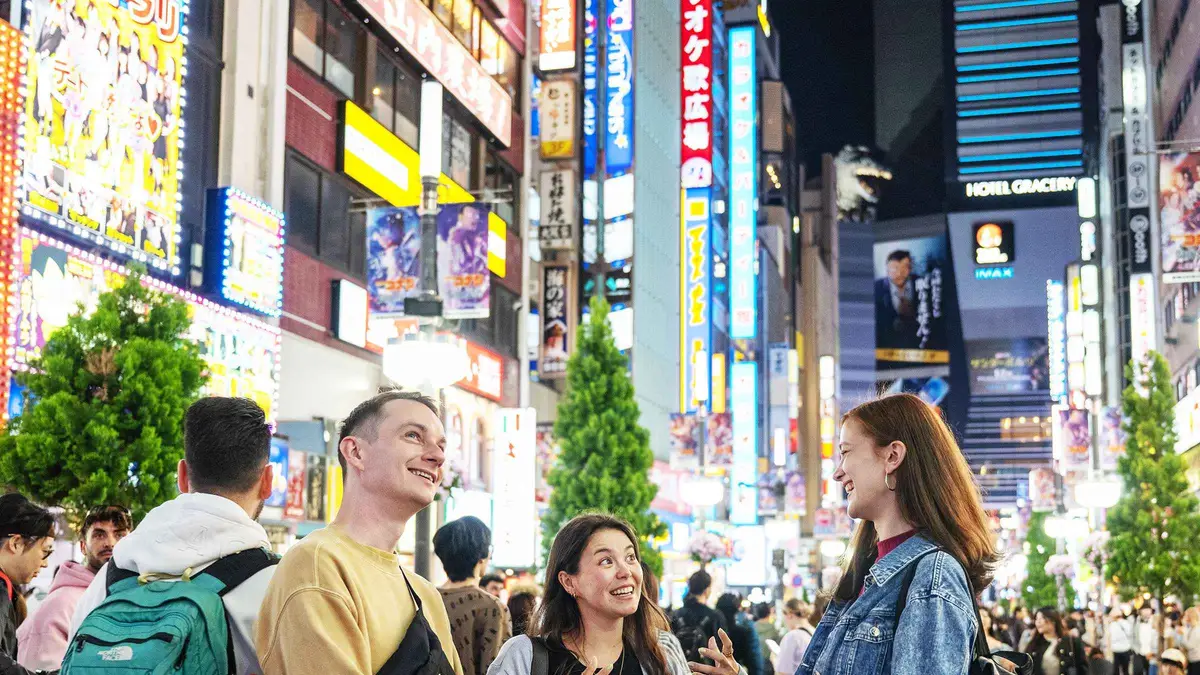 from $22.21
Tokyo: Shinjuku Nightlife & Secret Backstreets Walking Tour
A 90-minute evening walk through Shinjuku's Kabukicho, Golden Gai and Omoide Yokocho with a local guide, covering the district's red-light-district history and a stop at Hanazono Shrine.
Check Availability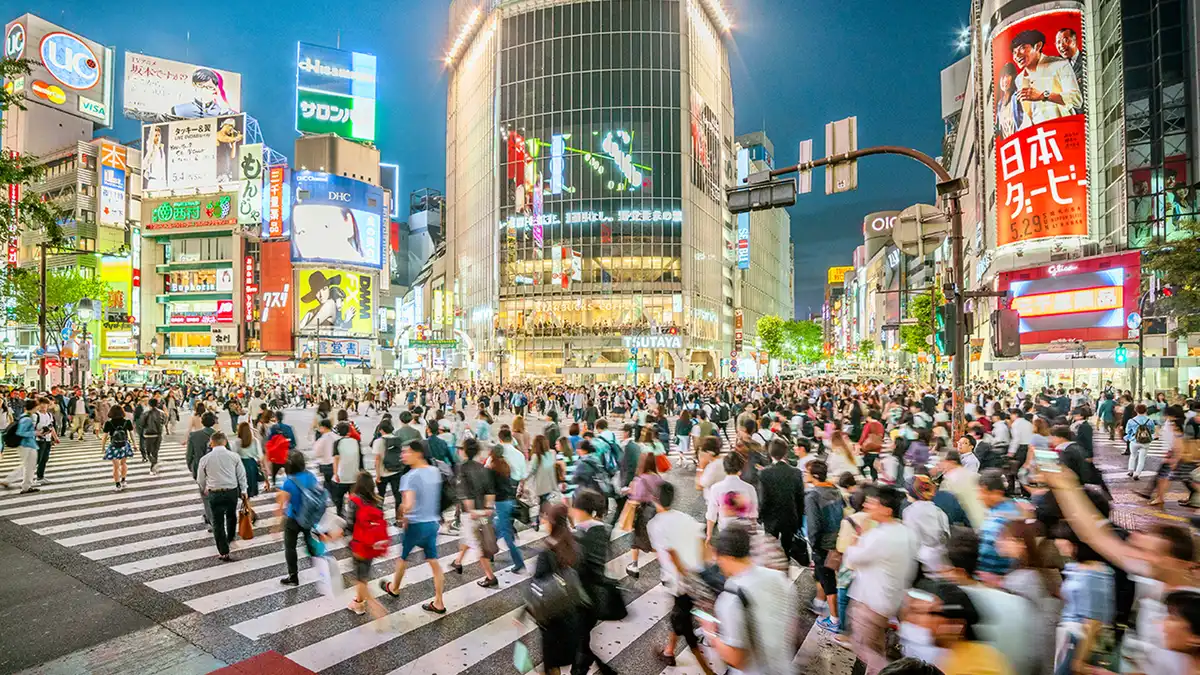 from $12.99
Tokyo: Shibuya Highlights Walking Tour & Secret View Spot
Ninety-minute walking tour of Shibuya covering the Scramble Crossing, Miyashita Park and Center Gai with a local guide, no attraction tickets included. One of the cheapest guided ways to get oriented to the district.
Check Availability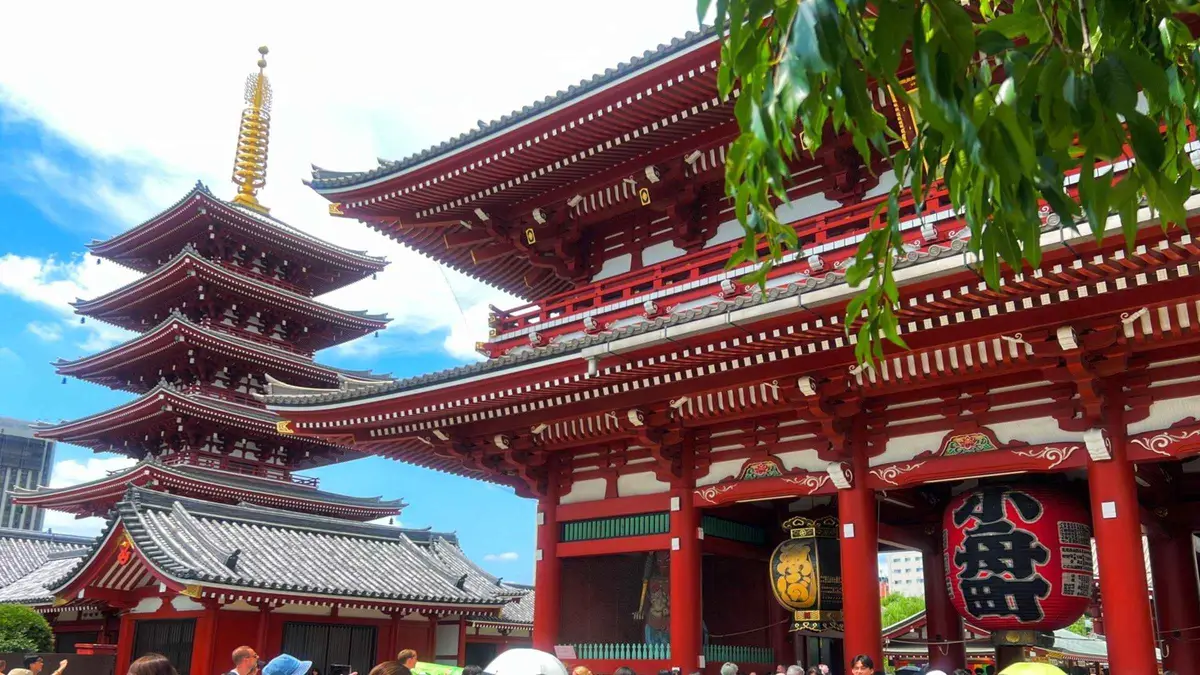 from $12.99
Tokyo: Asakusa and Sensoji Walking Tour
A small-group walking tour of Asakusa's oldest temple, Edo-era alleys and Nakamise Street, with history and local stories from a guide, capped at 10 participants for a closer experience.
Check Availability from $12.99
Tokyo: Tsukiji Fish Market Guided Walking Tour
A guided 2-hour walk through Tsukiji Outer Market and Tsukiji Hongan-ji Temple with a small group capped at 10. Food and drinks are extra, so bring cash for tastings along the way.
Check AvailabilityPrices, ratings and details are the platform's own. Dollar figures are the listed prices. The platform bills in your account's currency.
Choosing A Base In Tokyo: Questions
Which area should a first-time visitor pick?
Shinjuku, in most cases: five operators meet at the station, the middle half of rooms ran $61 to $96 a night in our rate query, and almost everywhere is one change away. The alternative worth weighing is the eastern side, where the same money buys more floor space. The Shinjuku section makes the case and the comparison table sets it against the other six.
Is it better to sleep near a JR station or a subway station?
Near one that gives you both. The JR Yamanote loop touches most of what visitors want; the subway is denser and cheaper for short hops, and a Tokyo Metro to Toei transfer knocks ¥70 off an adult fare automatically at the gate. Five of the seven areas here put you on both. Getting around Tokyo has the fare bands.
How much does a hotel room cost a night?
On the night we queried, the middle half of listings ran $38 to $86 on the cheapest side of the city and $102 to $199 in the Chuo ward, with one area spreading from $61 to $367. Those are live Google Hotels numbers for one midweek night in October 2026, and they move day to day rather than being a rate card. The band table says what each level buys.
What is a business hotel, and is the room really that small?
A purpose-built compact single or double with a moulded bathroom unit, a desk and usually a coin laundry in the building, and it is what most of the sub-$100 stock here is. Yes, the rooms are small: nobody publishes an average size so this page invents none, but space is the thing you are short of and reliability is not. The categories section covers capsules, ryokan and rentals.
Can I leave a suitcase somewhere before check-in?
Almost every property will hold luggage before check-in and after check-out, though no authority publishes a citywide standard check-in time, so confirm both with your own hotel. The published alternative is Yamato's Airport TA-Q-BIN, which moves a case between the airports and the Kanto region from $10.37 (¥1,600), plus $4.28 (¥660) handed over at an airport counter. The check-in section has the full ladder.
Is there a tourist tax added at the desk?
Yes, charged per person per night rather than per room. Nothing is due below $64.80 (¥10,000) a person a night, then ¥100 up to ¥14,999 and ¥200 at $97.20 (¥15,000) and above. From 1 April 2027 the flat bands disappear and it becomes 3 per cent of the accommodation charge, with hostels, guesthouses and registered private rentals brought into scope. The tax section has the table.
Which area suits a family with young children?
The eastern wards, because floor space costs less there: the Sumida and Taito bands ran $47 to $116 and $38 to $86 while Chuo started at $102, and a registered rental in either buys two rooms and a kitchen for the price of one central hotel room. Tokyo with kids has the age tiers that decide the rest of the budget.
Choosing A Tokyo Base, On Film
Three walk-throughs of the same decision, useful for seeing what a district looks like at street level before committing four nights to it. Treat any price in them as out of date.
Where to Stay in Tokyo Japan: 5 Best Areas + How to Book Hotels
The main areas filmed in turn, with the booking mechanics the rate bands here sit behind.
Video: Kensho QuestWhere to Stay in Tokyo | Neighborhoods That Save You Hours
Argues the case this page makes: the base is a transport decision before it is a hotel decision.
Video: Boundless JapanDon't Choose The Wrong Location To Stay in Tokyo Japan
The failure modes, including the outlying bargain room that costs a sightseeing day.
Video: Kensho QuestVideos load from YouTube only when you press play.
Prices, hours and terms are set by the venue or operator and confirmed at checkout.
We may earn a commission if you book through one of our links, at no extra cost to you. Full affiliate disclosure