 Visit Tokyo Guide
Tokyo or Kyoto: Which City to Choose
Tokyo or Kyoto is the question every first Japan itinerary runs into, and this site, an independent guide to Tokyo attractions, is going to answer it without pretending the answer is always Tokyo. The two are about 130 minutes apart on the Tokaido Shinkansen, per JR Central's own English pages, and they could hardly be less alike: one is a metropolitan region of 23 special wards where the interest is spread across a train map, the other is a low grid at the foot of three mountain sides where eight centuries of the same thing are concentrated inside a few square kilometres. This page compares them across seven dimensions using published prices from each city's own institutions and the daily budgets this guide has already built for Tokyo. Where Kyoto wins a dimension, it says so. Dollars are converted at 1,000 yen to $6.48.
Quick answer The verdict, who each city suits, and the 130-minute fact that dissolves the question
Choose Tokyo if variety, food range and one base for a whole trip matter most; choose Kyoto if you are travelling for temples, gardens and a walkable historic city. Tokyo's careful day runs about $38.90 (¥6,000) a head before the room, and three of its headline sights charge nothing. Kyoto's sightseeing day is cheaper still at about $28.50 (¥4,400), and its gate prices sit between free and roughly $8.42 (¥1,300). The train between them takes about 130 minutes, so any trip of five nights or more should simply do both.
Key takeaways
- Tokyo's free list is longer than its reputation suggests: Senso-ji, Meiji Jingu and the Metropolitan Government observatory all charge nothing, which is why the daily budget is smaller than most people expect.
- Kyoto wins concentration outright. Its paid temples cost between about $3.24 (¥500) and $8.42 (¥1,300) and sit within a short bus ride of each other, while Tokyo's sights are spread across a rail network you will spend real time on.
- Tokyo wins as a base. Six day trips leave the city, from a volcanic caldera to a UNESCO shrine complex, and the three-day plan fills itself without repeating a district.
- For a first-timer with one week, the honest answer is both: three or four nights here, two or three there, and one train. The verdict grid below says which dimensions each city actually takes.
Scale and How You Move
Tokyo is not a city you walk; it is a city you commute inside, and being honest about that is the start of the comparison. The interesting parts sit in separate districts strung along a rail network, and moving between them is cheap and constant: the shortest subway ride is about $1.15 (¥178) on an IC card and a whole-day subway pass is $6.48 (¥1,000). A Tokyo day usually contains three or four train rides you barely notice, and a first-time visitor spends the first two days learning to read a fare board.
Kyoto is the opposite geometry. The historic core is a flat grid, most of the famous temples ring it against the hillsides, and much of a good day is spent on foot with a bus or a subway leg at each end. Its day pass runs about $7.13 (¥1,100), which on a walking day loses money, and that fact tells you what kind of city it is.
The verdict here goes to Kyoto, and it is a real one. Walking between things you came to see is a better experience than riding between them, however good the trains are.
The Headline Sights, and What They Charge
This is the dimension people assume decides everything, and it splits cleanly: Kyoto wins on depth of one thing, Tokyo wins on range.
Kyoto's case is concentration. Kinkaku-ji charges about $3.24 (¥500), Ryoan-ji about $3.89 (¥600), Ginkaku-ji about $6.48 (¥1,000), Nijo Castle about $5.18 (¥800) for the grounds and $8.42 (¥1,300) with the Ninomaru Palace, and Fushimi Inari charges nothing at all. Those are the prices published by the sites themselves and recorded on our sister guide at kyotocityguide.com, and they add up to a city where a serious day of world heritage costs less than a cinema ticket at home.
Tokyo's case is that no two of its sights are the same kind of thing. Senso-ji is a temple whose grounds never close and charge nothing; Meiji Jingu is 70 hectares of planted forest inside the city; teamLab Planets is a walk-through digital artwork at $23.30 (¥3,600); the observation decks range from the free Metropolitan Government building to the paid ones. A first-time visitor in Kyoto sees variations on a theme, brilliantly. A first-time visitor in Tokyo sees six unrelated things.
| What you came for | Tokyo | Kyoto | Verdict |
|---|---|---|---|
| Temples and shrines | Senso-ji and Meiji Jingu, both free, both spectacular | Seventeen UNESCO-listed properties, most under $6.50 | Kyoto, and it is not close |
| Gardens | Shinjuku Gyoen and the palace east gardens | Temple gardens as an art form, at $3.24 to $6.48 | Kyoto |
| Views from height | Free and paid decks across the city | Kyoto Tower, and rooftops are rare | Tokyo |
| Modern and contemporary | teamLab, Ghibli, Akihabara, the fashion districts | Present but not the point | Tokyo |
| One unrepeatable image | The crossing at night | A hillside of vermilion gates | Draw, honestly |
What a Day Costs in Each
Both cities are cheaper by the day than their reputations, and the expensive lines in a Japan trip are the flight and the room rather than the lunch. Every figure below comes from published chain and venue prices, ours for Tokyo and our sister guide's for Kyoto, converted at the same rate.
In Tokyo, budget about $38.90 (¥6,000) a person a day for food, transport and one paid attraction, with the bed on top. A frugal day built entirely from published chain prices comes to roughly $16.20 (¥2,500): a standing-soba lunch is $2.92 (¥450) and a chain beef bowl $3.23 (¥498). A generous day with two paid sights and a pass runs to about $77.80 (¥12,000).
In Kyoto, three paid temples come to about $13.61 (¥2,100) between them, the day pass to $7.13 (¥1,100) and a market or noodle-counter lunch to about $7.78 (¥1,200), which is a full sightseeing day at roughly $28.50 (¥4,400) before dinner and the room. So Kyoto's sightseeing day is genuinely cheaper, mostly because its admissions are lower and its distances are walkable.
The rooms move the other way, and that is where Kyoto's advantage narrows. Kyoto's accommodation tax is charged per person per night at check-out, and from 1 March 2026 the bands above ¥20,000 a night rise steeply, reaching ¥10,000 per person per night at the top. Tokyo's lodging tax is charged per person per night above ¥10,000 a night and changes shape to a flat 3 percent from 1 April 2027. Neither is large at the bottom of the market; at the top, Kyoto's new bands are the biggest single tax line in either city.
| Line | Tokyo | Kyoto | Verdict |
|---|---|---|---|
| A careful sightseeing day | About $38.90 (¥6,000) with one paid sight | About $28.50 (¥4,400) with three temples | Kyoto |
| The cheapest honest day | About $16.20 (¥2,500) on published chain prices | Free shrines plus a day pass | Draw |
| Typical admission | Free to about $23.30 (¥3,600) at teamLab Planets | Free to about $8.42 (¥1,300) at Nijo Castle | Kyoto |
| Transport per day | $6.48 (¥1,000) subway pass, rides from $1.15 (¥178) | About $7.13 (¥1,100) day pass, often unnecessary | Tokyo, on value for the ride |
| Lodging tax | Per person per night above ¥10,000; flat 3 percent from April 2027 | Per person per night, steeper bands from 1 March 2026 | Tokyo, at the top of the market |
Food, and Where the Range Actually Is
This is Tokyo's clearest win and it is not about Michelin counts. It is about range: a city of this size supports a standing soba counter at $2.92 (¥450) and a fifteen-course room upstairs on the same block, every regional cuisine in Japan represented by people who moved from that region, and department-store food halls that function as free museums of the thing you are about to eat. You can eat a different kind of dinner every night for a fortnight without leaving one ward. Where to eat in Tokyo is a question about choosing, not finding.
Kyoto's food is narrower and, within its lane, better. Kaiseki is a Kyoto form and the city's best kitchens do it at a level Tokyo matches only by importing the idea; tofu, pickles and tea are local industries with centuries behind them rather than menu items. The practical point that carries across both cities is the same: the same kitchen often serves lunch at a third of the evening price, which is how anyone eats well in Japan on a budget.
The verdict goes to Tokyo on range, with the caveat that if what you want is one perfect traditional meal rather than fourteen different ones, Kyoto is where you book it.
Crowds and Seasonality
Kyoto's problem is that its best months and its most famous sites coincide, and the city is small. In blossom weeks and the autumn colour weeks the paths at the headline temples move at the speed of the slowest person on them, and room rates roughly double. Tokyo absorbs the same seasons far better because the demand spreads across a metropolis: the cherry blossom weeks fill certain parks and leave whole districts unaffected.
What Tokyo does not absorb is the concentration at its own three or four headline attractions, which saturate at the same hours everyone else is free. The difference is that walking ten minutes in Tokyo genuinely escapes a crowd, and in central Kyoto in November it often does not.
Both cities reward the same discipline: be at the famous thing before nine or after four, and spend the middle of the day somewhere with a roof. The verdict is Tokyo, on resilience rather than emptiness.
As a Base for the Region
This dimension is decided by geography and it is decided quickly.
From Tokyo, six destinations make a comfortable day and none of them resembles another: Hakone is a transport loop around a volcanic caldera, Nikko a gilded 1617 mausoleum under cedars, Kamakura a coastal town of temples, Mount Fuji the mountain itself, plus Yokohama and Mount Takao. The whole grid, with time from which station and the pass that covers it, is on the day trips hub.
Kyoto's own day trips are excellent and fewer: Nara with its deer and its Great Buddha, Uji for tea, Osaka half an hour away, Amanohashidate for a longer haul. They are also, with the exception of Osaka, variations on the theme Kyoto already does best.
Tokyo takes this one, and it matters more than it sounds. A city that supports six unlike day trips is a city you can base a whole trip in, which changes how many times you pack.
The Evenings, and Where You Sleep
Kyoto empties after dark in a way that is either the best thing about it or the thing that sends you to bed at nine, depending entirely on who you are. Lanterns in Gion, a quiet grid, and most temples shut. Tokyo does the opposite: whole districts exist only in the evening, and the difference between Shinjuku at 19:00 and Shinjuku at 23:00 is the difference between two cities.
On where to sleep, the two are structurally different. Tokyo's answer is which of a dozen districts suits your trip, set out on where to stay, and the trade is always convenience against character. Kyoto's answer is closer to which side of a small city you want to wake up on, with a ryokan as a genuine option rather than a novelty.
The verdict is a draw, and it is the most personal line in this comparison. If your idea of a good evening involves a bar counter and a menu you cannot read, Tokyo. If it involves a quiet street and an early start, Kyoto.
The Scorecard, Dimension by Dimension
Seven dimensions summarised from the sections above. Tokyo figures are this guide's own, from published venue and chain prices read in Q3 2026; Kyoto figures come from our sister city guide's sourcing of the same kind, converted here at 1,000 yen to $6.48.
| Dimension | Tokyo | Kyoto | Verdict |
|---|---|---|---|
| Scale and movement | A rail network with a city attached | A flat grid you cross on foot | Kyoto |
| Headline sights | Six unrelated things, several free | Seventeen UNESCO properties, most under $6.50 | Kyoto on depth, Tokyo on range |
| Cost of a day | About $38.90 (¥6,000) careful, $16.20 (¥2,500) frugal | About $28.50 (¥4,400) with three temples | Kyoto |
| Food | Every cuisine in Japan, at every price | Narrower, and the best kaiseki in the country | Tokyo on range |
| Crowds | Saturates at three sites, spreads elsewhere | Small city, peak seasons collide with peak sites | Tokyo |
| Day-trip base | Six unlike destinations within about two hours | Nara, Uji, Osaka, and they rhyme with Kyoto | Tokyo |
| Evenings and beds | Districts that exist only after dark | Quiet streets, ryokan, early nights | Draw |
Three to Tokyo, three to Kyoto, one draw and one split, which is exactly why the real answer for a trip of five nights or more is the train between them.
Pick Tokyo if, Pick Kyoto if
If this is your only Japanese city and you want the fullest version of the country
Tokyo. Temples, food, neighbourhoods and six day trips from one base, and the three-day plan is already built.
If you are travelling specifically for temples, gardens and traditional craft
Kyoto. Nothing in Tokyo matches the concentration, and the admissions are lower.
If you are travelling with children
Tokyo, comfortably. The family list runs from aquariums to teamLab, and Kyoto's pleasures ask for patience most children do not have.
If you have a week and cannot decide
Both. Three or four nights in Tokyo, two or three in Kyoto, one train of about 130 minutes between them.
If you are coming in the blossom or autumn colour weeks
Tokyo for the base and Kyoto for two nights booked early, because Kyoto's rates roughly double in exactly those weeks.
If you want to walk everywhere and never look at a train map
Kyoto, and give it four nights rather than two.
If you are here for food above everything
Tokyo for the range, and one Kyoto lunch booked in advance for the thing Tokyo cannot do as well.
If you have three nights or fewer
One city, not two. Half a day on a train is a large fraction of a short trip, and the two-day Tokyo plan shows how much a short stay can hold.
Doing Both: the Honest Minimum
The two cities are close enough that the question dissolves on any trip long enough to answer it. Here is the arithmetic, and the one figure we will not print.
JR Central's own English pages put Kyoto about 130 minutes from Tokyo on the Tokaido Shinkansen, and that is the number the whole plan turns on. Five nights is the honest minimum for both: three in Tokyo, two in Kyoto, one train, and no double-back. Seven nights is comfortable and lets each city have a day trip. Anything under five and you are paying for two hotel check-ins and a train to see less of each.
Order matters less than people think, but there is a mild case for Tokyo first: it is the harder city to operate and you will operate it better on arrival adrenaline than on day six, and Kyoto is the easier place to be tired in. If you fly into one airport and out of the other, take the train once rather than twice and save yourself an afternoon.
One figure this page does not print is the fare. JR Central publishes the journey time on its English site but no Tokyo to Kyoto fare table we could read, and its own travel arm prints Tokyo to Nagoya at ¥11,300 and Tokyo to Shin-Osaka at ¥14,720 for a reserved ordinary-car seat in the regular season while giving no figure for Kyoto, which sits between them. Rather than borrow a number from a third party and call it official, we say plainly that the Kyoto fare is not published where we could read it, and that it lands somewhere inside that bracket.
What each city needs, in nights
Tokyo needs three nights to stop being a blur and rewards five. The districts are unlike enough that a two-night visit is really a visit to two districts, which is why the one-day plan is written as a triage exercise rather than a highlights list, and why the Tokyo half of the trip gets its own hub of things to do in Tokyo.
Kyoto needs two nights and rewards four. Two gets the headline temples; four gets the ones without queues, a morning on the Philosopher's Path and a day in Nara. If your total is seven nights, four and three in either direction is the split that wastes the least.
Booking the Tokyo Half
Whichever way the comparison lands, the Tokyo bookings are the time-critical ones, because the timed venues here sell out and the free ones never do. Prices and ratings are the platform's own figures for these listings.
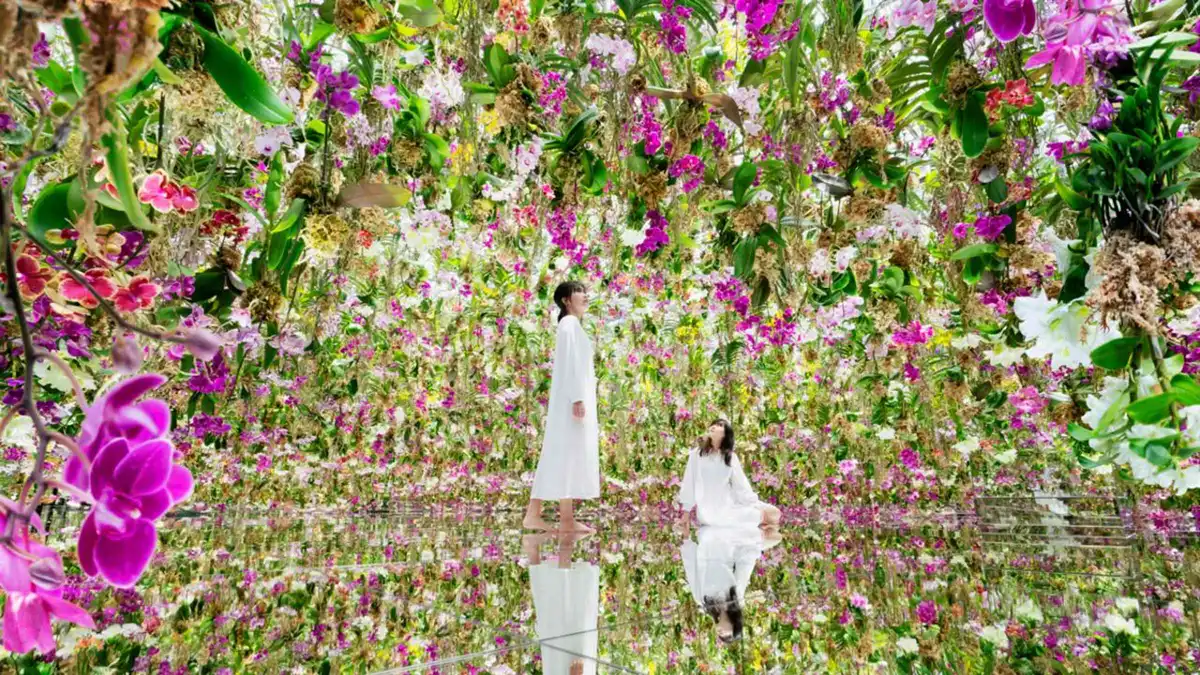 from $24.67
Tokyo: teamLab Planets TOKYO Digital Art Museum Entry Ticket
Entry ticket to teamLab Planets, a barefoot walk-through digital art museum in Toyosu with water rooms and mirrored floors. Self-guided, timed entry, official e-ticket emailed after booking.
Check Availability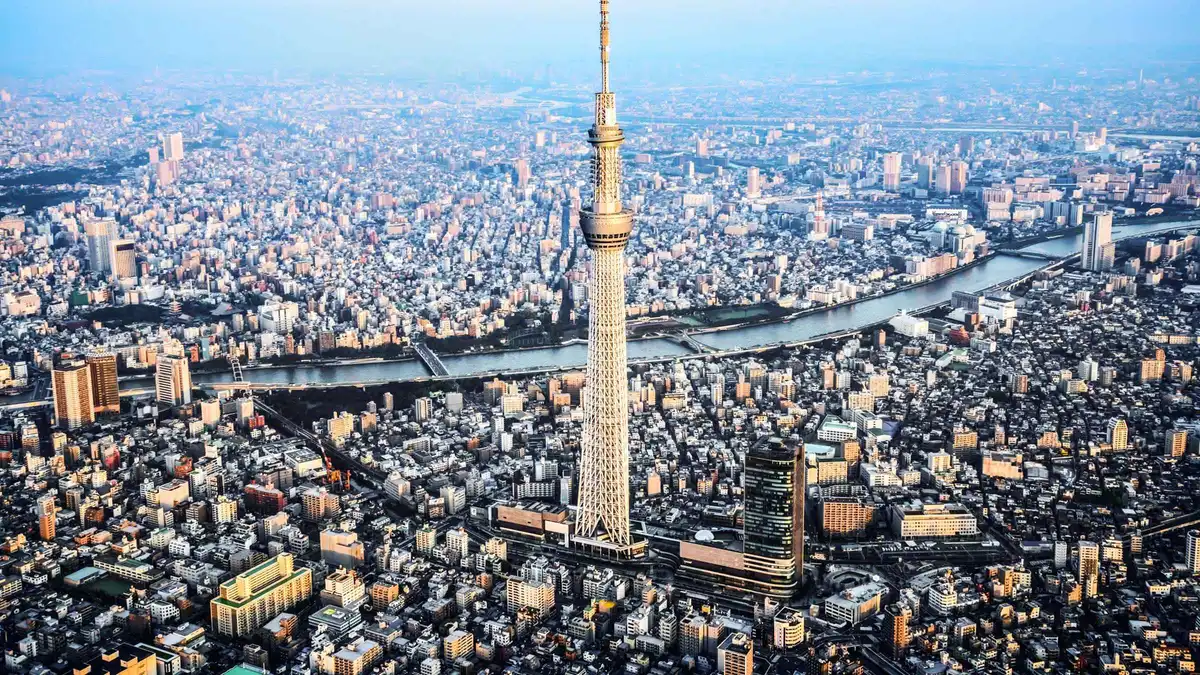 from $14.28
TOKYO SKYTREE® Admission ticket
Skip-the-line admission to Tokyo Skytree's Tembo Deck, with an optional upgrade to the higher Tembo Galleria, valid for one day with a booked start time.
Check Availability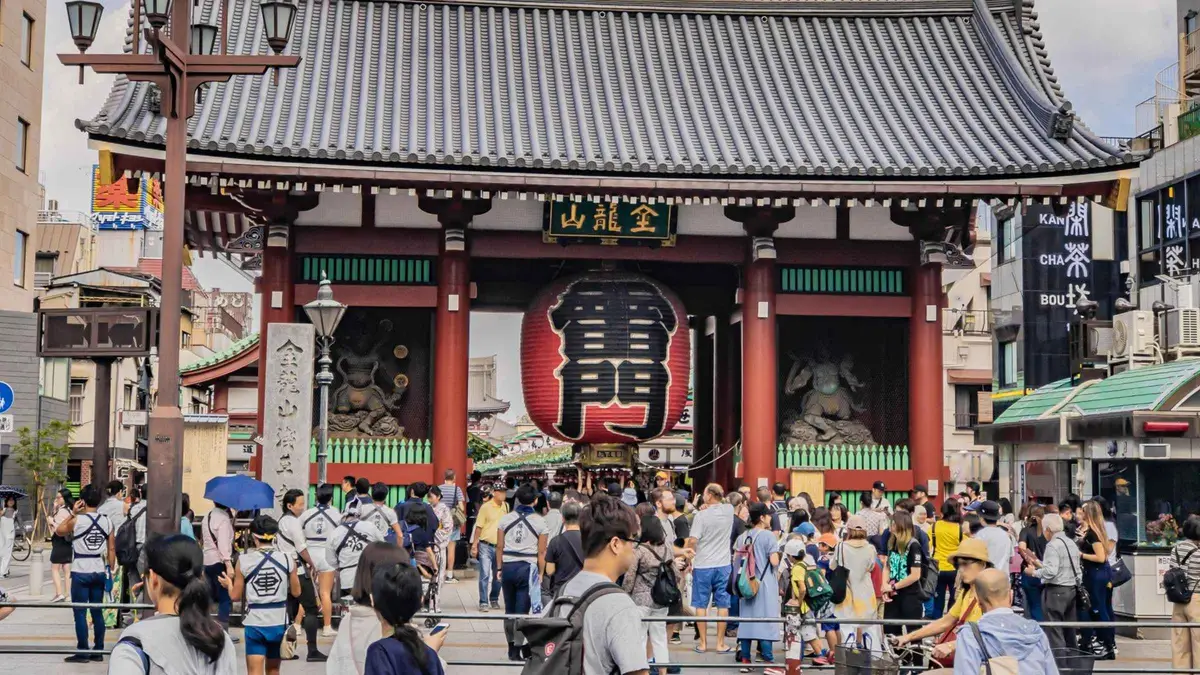 from $18.18
Tokyo: Asakusa Walking Tour with Sensoji Temple Visit
A two-hour guided walk through Asakusa covering Senso-ji Temple, the Thunder Gate and Nakamise Shopping Street, with historical and cultural context from a local guide.
Check Availability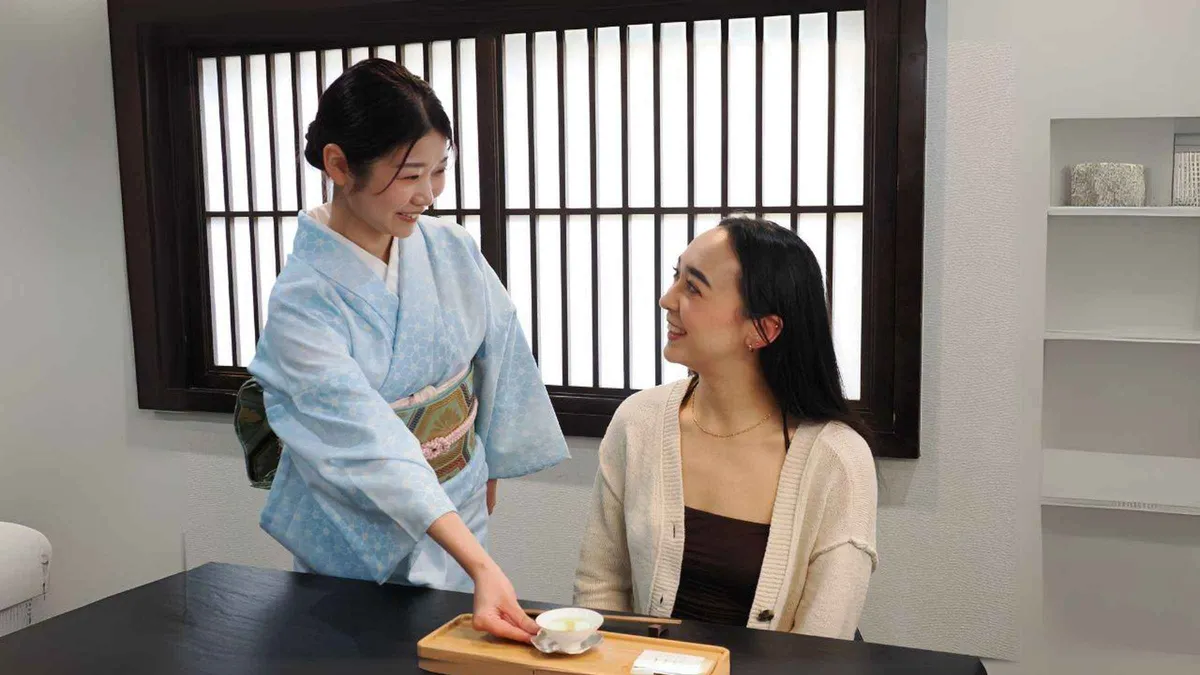 from $38.96
Tokyo: Traditional Tea Ceremony with a Tea Master
A one-hour seated tea ceremony near Tokyo University where a tea master guides you through wakocha, Gyokuro sencha with seasonal wagashi, and whisking your own bowl of matcha.
Check AvailabilityPrices, ratings and details are the platform's own. Dollar figures are the listed prices. The platform bills in your account's currency.
Tokyo or Kyoto: the Questions That Decide It
If you can only see one Japanese city, which should it be?
Tokyo, if you want the fullest single version of the country: temples, food at every price, distinct neighbourhoods and six unlike day trips from one base. Kyoto, if you already know that temples, gardens and traditional craft are the reason you are travelling. The dimensions are set out one by one in the scorecard, and three of the seven go to Kyoto.
How long does the train between them take?
About 130 minutes on the Tokaido Shinkansen, per JR Central's own English pages. That is close enough that any trip of five nights or more should do both rather than choose, and short enough that the ordering question matters more than the travel time. We print no fare here because JR Central does not publish a Tokyo to Kyoto figure on the pages we could read, which the do-both section explains.
Which city is cheaper?
Kyoto, for the sightseeing day. Three paid temples come to about $13.61 (¥2,100) and a full day with transport and lunch to roughly $28.50 (¥4,400), against about $38.90 (¥6,000) for a careful Tokyo day with one paid attraction, which the costs page itemises. The gap narrows on beds, and at the top of the market Kyoto's accommodation tax bands from 1 March 2026 are the largest single tax line in either city.
Which is better for a first trip to Japan?
For one week, both, with Tokyo first. For four nights or fewer, Tokyo alone: it is the more varied city and the easier one to fill without repeating yourself, and it is the only one of the two you can base a whole trip in. For a returning visitor who found Tokyo overwhelming, Kyoto is the obvious second trip.
Does Tokyo have temples worth seeing, or do you need Kyoto for that?
It has two that would be famous anywhere. Senso-ji is the city's oldest temple, its grounds never close, and it charges nothing; Meiji Jingu sits inside 70 hectares of planted forest and also charges nothing. What Tokyo does not have is Kyoto's density, seventeen UNESCO-listed properties within one small city, which is the honest concession this comparison makes twice.
Which city is better in autumn or cherry blossom season?
Kyoto is more beautiful and Tokyo is more usable. Kyoto's peak weeks put its most famous paths at walking pace and roughly double its room rates; Tokyo spreads the same demand across a metropolis, so whole districts stay normal. If your dates are fixed to those weeks, book Kyoto early and short, and let Tokyo be the base. The month-by-month page has the Tokyo side.