 Visit Tokyo Guide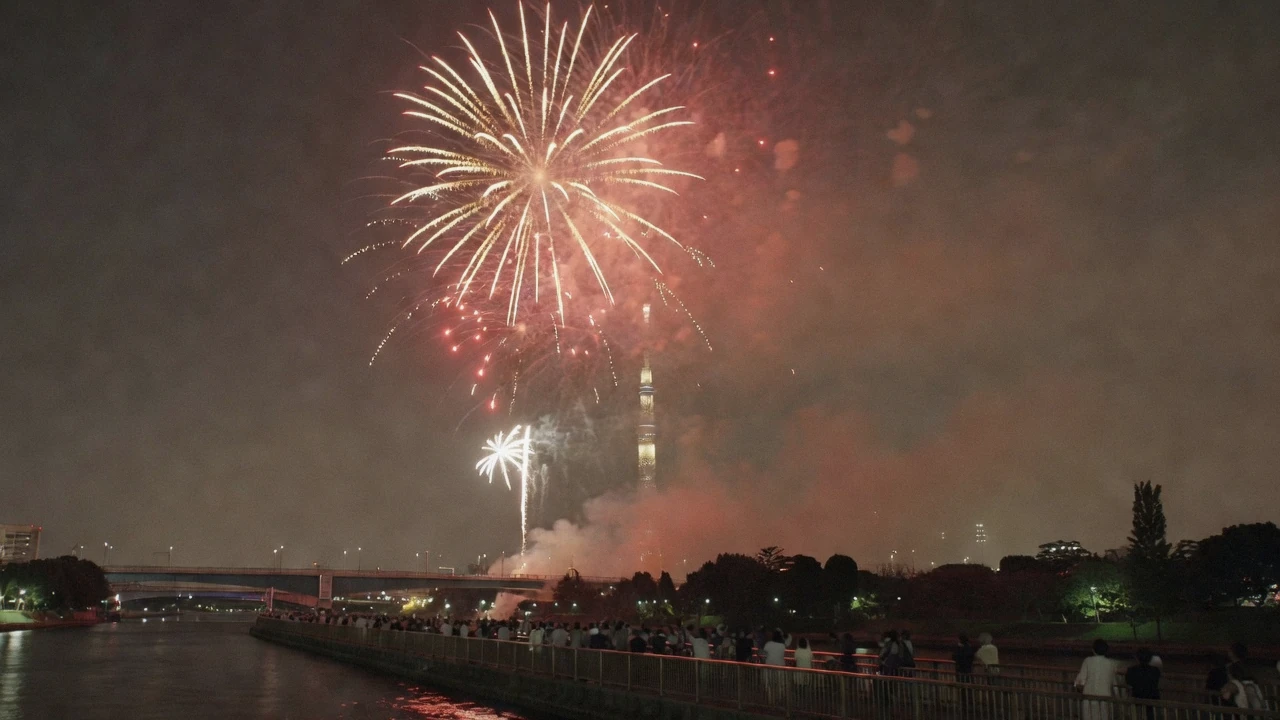
Tokyo Events Calendar
This Tokyo events calendar prints only dates that the organisation running the event has published on its own site, which is a smaller list than most event pages carry and a more useful one. Every entry below comes from a shrine's own festival schedule, a temple's own annual rites table, the Japan Sumo Association's own ticket portal, the fireworks committee's own plan, or the Cabinet Office's own holiday list. Where a 2027 date has not been announced, the page says so instead of repeating a number an aggregator invented. The seasons those events sit in are on the best time to visit page, and if your trip lands on a Monday, the Monday closures page matters more to your day than any festival on this one. The rest of the year, and things to do in Tokyo, is on the rest of the guide.
Quick answer What is dated, what is not, and what needs booking now
Four things in the Tokyo year have hard dates published by the people who run them. Grand sumo returns to Ryogoku from 10 to 24 January 2027 and again from 9 to 23 May 2027. The Tokyo Marathon is Sunday 7 March 2027. Sanja Matsuri takes the third weekend of May at Asakusa Shrine. And Senso-ji publishes a fixed annual rites table that puts the Hozuki-ichi ground-cherry market on 9 and 10 July and the Hagoita-ichi battledore market on 17, 18 and 19 December every year. Almost everything else you will read a date for is a guess.
Key takeaways
- Sumo is the one event on this page that sells out months ahead. Tickets for the January 2027 Tokyo tournament go on sale on 5 December 2026 and the September 2026 tournament is already gone with no walk-up tier published. Prices, seats and how the fifteen days work sit on its own page.
- Kanda Myojin's own site states that its 2026 festival was an off-year with no procession, which makes May 2027 a full-scale Kanda Matsuri. How the two great May festivals alternate is the detail no aggregator gets right.
- The Sumida River fireworks are held on a Saturday in late July, are cancelled outright rather than postponed in bad weather, and the 2027 date is not published yet. What the committee actually publishes, and a river dinner cruise as the version you can book.
- If your dates are already fixed, work backwards: what is open on a Monday, then the month you are coming in, then this page.
The Dates That Are Officially Published
Every row below is a date the organising body prints on its own website, read by us in Q3 2026. Nothing here is taken from an events aggregator, which is why the list is short and why the last column matters: it says who published the date and therefore how much weight it carries.
| Event | Date | Where | Published by |
|---|---|---|---|
| Grand sumo, autumn tournament | 13 to 27 September 2026 | Ryogoku Kokugikan | Japan Sumo Association ticket portal |
| Tori-no-Ichi rooster-day markets | 7 and 19 November 2026 | Chokoku-ji, Asakusa | The temple's own site |
| Hagoita-ichi battledore market | 17, 18 and 19 December, annually | Senso-ji | The temple's annual rites table |
| Joya-no-Kane, the midnight bell | 31 December, annually | Senso-ji, Benten-yama | The temple's annual rites table |
| Hatsumode, the New Year visit | 1 to 3 January | Meiji Jingu, Senso-ji and every shrine | Tokyo Metropolitan Government tourism site |
| Grand sumo, New Year tournament | 10 to 24 January 2027 | Ryogoku Kokugikan | Japan Sumo Association ticket portal |
| Setsubun bean-throwing | 3 February, annually | Senso-ji, Hie Shrine and others | Each venue's own rites table |
| Tokyo Marathon | Sunday 7 March 2027 | Central Tokyo, closing the roads | The race's own site |
| Golden Dragon Dance | 18 March and 18 October, annually | Senso-ji | The temple's annual rites table |
| Kanda Matsuri, full-scale year | May 2027, dates not yet published | Kanda Myojin | The shrine's own festival site |
| Sanja Matsuri | Third weekend of May, Friday to Sunday | Asakusa Shrine | The shrine's own festival schedule |
| Grand sumo, summer tournament | 9 to 23 May 2027 | Ryogoku Kokugikan | Japan Sumo Association ticket portal |
| Sanno Matsuri | 7 to 17 June, annually | Hie Shrine, Akasaka | The shrine's annual rites table |
| Hozuki-ichi ground-cherry market | 9 and 10 July, annually | Senso-ji | The temple's annual rites table |
| Sumida River fireworks | A Saturday in late July; 2027 not announced | Sumida and Taito wards | The organising committee's own site |
Absent from this table on purpose: every 2027 date for the matsuri, the fireworks and the autumn sumo tournament that no organiser has yet announced. Where an event repeats on the same calendar date every year, the row says annually.
Grand Sumo At Ryogoku: The Three Tokyo Tournaments
Sumo is the only thing in the Tokyo year that runs to a schedule published more than a year ahead, and the only one where the ticket decision has to be made months before the trip. The dates and on-sale days below are from the Japan Sumo Association's own ticket portal.
Six grand tournaments, honbasho, are held each year, and three of them are in Tokyo at the Ryogoku Kokugikan: January, May and September. Each runs fifteen consecutive days, opening and closing on a Sunday. The other three go to Osaka in March, Nagoya in July and Fukuoka in November.
Tickets for a tournament go on sale roughly five weeks before it starts, on a published date, and resale of tournament tickets is officially prohibited.
That five-week rule is the whole planning problem. If you are booking a trip six months out you cannot buy a ticket yet, and by the time you can, the popular days are gone within hours. The September 2026 Tokyo tournament is a case in point: the portal shows it sold out on every date, with a line stating there will be no tickets sold on the day.
| Tournament | Dates | Venue | Tickets on sale |
|---|---|---|---|
| September 2026 | 13 to 27 September 2026 | Tokyo, Ryogoku Kokugikan | Sold out; no same-day sales |
| November 2026 | 8 to 22 November 2026 | Fukuoka | 19 September 2026 |
| January 2027 | 10 to 24 January 2027 | Tokyo, Ryogoku Kokugikan | Saturday 5 December 2026 |
| March 2027 | 14 to 28 March 2027 | Osaka | 8 February 2027 |
| May 2027 | 9 to 23 May 2027 | Tokyo, Ryogoku Kokugikan | Saturday 10 April 2027 |
| July 2027 | 11 to 25 July 2027 | Nagoya | 15 May 2027 |
| September 2027 | Not yet published | Expected Tokyo | Not yet published |
What a seat costs, and the trap in the box price
The association's own English ticket page lists two categories. A Masu-seki box is priced per box of four people, not per person: box B is $259.20 (¥40,000) on a weekday and $272.20 (¥42,000) at a weekend or holiday, box C $220.30 (¥34,000) and $246.20 (¥38,000). A Chair Seat is a single seat: B is $32.40 (¥5,000) on a weekday and $35.60 (¥5,500) at a weekend, C is $22.70 (¥3,500) and $25.90 (¥4,000).
Four people splitting a box C weekday therefore pay about $55 (¥8,500) each, which is more than a chair seat but puts you on the floor. No walk-up or same-day general-admission tier appears anywhere on that page, and a handling fee is added at checkout. The sumo page has the seating detail and the day's rhythm.
If the tournament is not running while you are here
Nine months of the year no tournament is on in Tokyo, and the honest answer is that nothing replaces it. What is available is the staged evening shows in which retired wrestlers demonstrate bouts over dinner, and they are enjoyable on their own terms as long as nobody sells them to you as a tournament. The dining show at a former stable and the Ginza performance are the two with the deepest review histories. They are not sumo; they are a demonstration with a meal.
Tournament dates and on-sale days read on Ticket Oosumo, the Japan Sumo Association's official ticket portal; seat prices read on the association's own English ticket page. Prices are the operator's own qualified approximations and vary by venue.
The Great Matsuri, And The Odd-Year Rule Nobody Explains
Tokyo's three biggest neighbourhood festivals do not all happen at full scale every year, and the shrines say so on their own sites while almost every travel listing ignores it.
Sanja Matsuri at Asakusa Shrine is the largest and the most reliable. The shrine publishes its own hour-by-hour programme, and the shape repeats: a Thursday-evening rite to move the deity into the main mikoshi, a Friday afternoon grand procession of musicians, firemen's foremen and the binzasara dance through the streets, a Saturday at noon when roughly a hundred mikoshi from the forty-four parish neighbourhoods gather behind the Senso-ji main hall and set out one by one, and a Sunday that begins at 07:00 with the three great shrine mikoshi leaving the precinct and ends around 20:00 when they come back in. Roads including Kaminarimon-dori close for most of that Sunday.
The shrine had it on 15, 16 and 17 May in its most recent published programme and had not posted 2027 dates when we read the page.
Kanda Matsuri at Kanda Myojin is the one that catches people out, and the shrine is admirably direct about it. Its own festival site states that the 2026 festival was a kagematsuri, an off-year, and that neither the Shinkosai procession nor the mikoshi miyairi would be held. The full-scale festival runs in odd-numbered years, which makes May 2027 a full one.
When it is full scale, the published programme runs across roughly a week in the middle of May: the deity is moved to the portable shrines on a Friday evening, the Shinkosai processes all day on the Saturday through Kanda, Nihonbashi, Otemachi, Marunouchi and Akihabara with the tsukematsuri floats joining in the afternoon, the neighbourhood mikoshi come into the shrine on the Sunday, and the main rite closes it the following Saturday.
Sanno Matsuri, and what the shrine does and does not say
Hie Shrine in Akasaka lists Sanno Matsuri on its annual rites table as running from 7 to 17 June, described there as one of the three great festivals of Japan and as the Edo-period tenka matsuri, the festival the shogunate itself watched. The shrine's page gives the window but does not state which years carry the full procession through the city, so we are not going to state it either. Check the shrine's own announcements in the spring of the year you are travelling.
How to actually watch one
Get to the neighbourhood, not the shrine. The mikoshi spend the day in the back streets and the shrine precinct is where the crush is. In Asakusa that means the streets north and west of Senso-ji rather than Nakamise, and it means arriving in the morning: by mid-afternoon on the Sunday the approach roads are one-way pedestrian flows.
Nothing is ticketed and nothing needs booking. A rickshaw run through the district is the one thing that becomes impossible on the festival days themselves, so book it for the day before or after.
Sanja Matsuri programme read on Asakusa Shrine's own festival schedule; the off-year statement and full-scale programme on Kanda Myojin's own festival site; Sanno Matsuri dates on Hie Shrine's own annual rites page.
Fireworks: What The Committee Publishes, And What It Does Not
The Sumida River display is the biggest night of the Tokyo summer and the one most often misdated online. Here is what its own organising committee actually states.
The festival is run by a committee based in the Sumida ward office and it publishes an implementation plan rather than a calendar. The most recent one, for the 49th edition, set the display on a Saturday in late July from 19:00 to 20:30 across two launch sites operated by two different pyrotechnic firms. Three rules in that plan matter more than the date.
If the weather is bad the display is cancelled, not postponed. The decision is made at 08:00 on the day as a matter of policy. And there is no seated viewing anywhere except the paid citizen-sponsor seats, which are sold in a limited application window months ahead and had already sold out when the committee posted its notice; boats need a permit flag even to anchor outside the restricted water.
The 2027 date is not published. Committees for the big summer displays typically confirm in the spring, so anyone quoting you a July 2027 date today is guessing. What is safe to plan on is the pattern: a Saturday in the second half of July, an enormous crowd, and Asakusa Station so congested afterwards that the committee itself asks people to leave via a different station.
The river without the crowd
If the point is the river at night rather than the fireworks specifically, the yakatabune dinner boats run all year and are the same water on an ordinary evening. A traditional yakatabune dinner cruise and the Edo-route version both take the Sumida down towards Odaiba and back. On the fireworks night itself every boat is chartered and priced accordingly, months in advance.
Display timing, the cancellation rule, the 08:00 decision policy and the seating position read on the organising committee's own implementation plan. The festival descends from the Ryogoku kawabiraki first licensed in 1733; the modern name dates from 1978, both per the committee's own history page.
Senso-ji's Own Year: The Fixed-Date Calendar Under Everything
The most dependable events calendar in Tokyo is a temple's rites table. Senso-ji publishes its full annual programme with fixed dates, most of them the same every year, and it is free to attend all of it.
Two of these are proper markets that fill the precinct and are worth crossing the city for. The Hozuki-ichi on 9 and 10 July sells potted ground cherries along the approach and is tied to a day the temple counts as worth forty-six thousand ordinary visits. The Hagoita-ichi from 17 to 19 December sells decorated battledores, the ornamental paddles, in stalls packed across the grounds in the week before the New Year.
Neither is ticketed and neither is announced anywhere in advance because neither needs to be: the dates do not move.
| Date | Rite or market | What you actually see |
|---|---|---|
| 31 December to 6 January | Shusho-e, and New Year prayers 1 to 7 January | The temple at its fullest; the bell struck at midnight on the 31st at Benten-yama |
| 3 February | Setsubun-e | Bean-throwing from the main hall to drive out the year's misfortune |
| 18 March | Honzon Jigen-e | The Golden Dragon Dance through the precinct |
| 8 April | Hana Matsuri | The Buddha's birthday, flowers on the hall |
| Second Sunday of April | Shirasagi-no-Mai | The White Heron Dance, a costumed procession across the grounds |
| 5 May | Takara-no-Mai | The treasure dance, on Children's Day |
| 9 and 10 July | Shiman-rokusen-nichi, Hozuki-ichi | The ground-cherry market along the approach |
| 18 October | Kiku Kuyo | Chrysanthemum offering, with the Golden Dragon Dance again |
| 3 November | Shirasagi-no-Mai | The heron dance repeated on Culture Day |
| 17 to 19 December | Hagoita-ichi | The battledore market, the biggest stall event of the temple year |
| 31 December | Joya-no-Kane | The bell at Benten-yama as the year turns |
The rooster-day markets, which do move
Tori-no-Ichi is the November exception: it falls on the days of the rooster in the traditional twelve-day cycle, which lands differently every year, and it is held at Chokoku-ji next to Senso-ji and at the Otori shrines around the city. The temple's own site gives 2026 as a two-rooster-day year, Saturday 7 November and Thursday 19 November, with the market opening from midnight at the start of each of those days. Rakes hung with charms are the thing being sold and the haggling is part of the ritual.
Which of these to build a day around
If you are in Tokyo in the second week of December, the battledore market is the single best free evening in this calendar and it sits ten minutes from a station on four lines. If you are here in July, the ground-cherry market falls in the same fortnight as the fireworks and the two together make a genuine reason to be in Asakusa rather than a reason to pass through it.
All dates read on Senso-ji's own annual events table and Chokoku-ji's own Tori-no-Ichi site. The temple states no closed days at all, so none of this is at risk from an opening calendar.
The Illumination Season, And Why It Has No Dates Here
December in Tokyo is the illumination season, and this page carries no illumination dates. That is deliberate, and here is the reasoning.
The Tokyo Metropolitan Government's own tourism calendar describes December as the month the city lights up and November as the month the ginkgo avenues turn yellow and get lit at night. Beyond that seasonal framing there is nothing official to cite. The big installations are run by property companies and shopping-district associations, each publishes its own run dates only two or three months ahead, and several of the domains that used to host them no longer resolve.
We went looking for the current published dates for two of the best-known displays and found one page removed and one domain parked.
So the honest version is the shape rather than the dates: expect the displays to switch on between the middle of November and the first days of December and to run to Christmas or into early January, expect the ginkgo avenues to be at their best in the second half of November alongside the autumn colour, and expect to look the specific ones up a month before you travel rather than now. It costs nothing to see any of them.
What is worth planning instead
December's dependable events are the ones with fixed dates: the battledore market from the 17th to the 19th, the bell at midnight on the 31st, and the observation decks, which are at their clearest in the driest month of the year. The Tokyo Skytree and Shibuya Sky both do more for a December evening than a hunt for a light display, and both need a booked slot in the last two weeks of the month.
New Year: The Busiest Three Days And The Emptiest Museums
The turn of the year is the one moment when Tokyo's crowd and Tokyo's opening calendar move in opposite directions, and knowing which way each goes is the difference between a great week and a wasted one.
Hatsumode, the first shrine or temple visit of the year, starts at midnight on 31 December and spreads across the first two or three days of January. Meiji Jingu takes the largest crowd in the country and is open every day of the year, on January hours of 06:40 to 16:20, the shortest of the twelve months. Senso-ji strikes its bell at Benten-yama as the year turns and runs its New Year rites from the 31st through to the 6th.
Both are free and neither closes.
Meanwhile the ticketed city shuts. The Imperial Palace East Gardens close from 28 December to 3 January, Shinjuku Gyoen from 29 December to 3 January, the Tokyo National Museum for its own year-end block, Ueno Zoo from 29 December to 1 January, and both Metropolitan Government observatories from 29 to 31 December and again on 2 and 3 January. The New Year section of the seasons page has the venue-by-venue table with the exact published dates.
Our read on whether to come for it
Come if you want the shrines and the strange quiet of a Japanese city on 1 January, when the streets are empty and the trains run half full. Do not come if your list is museums, because you will spend the money on a peak-season flight and find the doors shut. And whichever you are, check the Monday problem on top of the New Year one: on the Monday page the two overlap in the first week of January and produce some genuinely awkward days.
National Holidays, And What They Do To Prices And Queues
Japan's sixteen national holidays are fixed in law and published years ahead by the Cabinet Office. Three effects matter to a visitor, and one of them is not obvious.
The first effect is price and availability: intercity trains, the airports and the hotels fill on the holiday clusters, and Golden Week at the end of April is the worst of them. The second is queues, which are a domestic crowd rather than a foreign one and therefore hit the parks, the gardens and the day trips harder than the museums. The third is the one nobody warns you about: a national holiday falling on a Monday flips the closed day at most museums to the Tuesday, so the Monday you had written off as a shut day becomes an open one and the Tuesday you had planned around becomes the problem.
Six of the seventeen holiday and substitute days in 2027 fall on a Monday.
The 2027 list below is the Cabinet Office's own; the weekdays are computed by us from those dates.
| Date | Day | Holiday | Effect on a visit |
|---|---|---|---|
| 1 January | Friday | New Year's Day | Peak hatsumode; the ticketed city is shut |
| 11 January | Monday | Coming of Age Day | Museums open, then closed the Tuesday |
| 11 February | Thursday | National Foundation Day | Busy weekday, nothing unusual |
| 23 February | Tuesday | The Emperor's Birthday | The one holiday the East Gardens stay shut for |
| 21 and 22 March | Sunday and Monday | Vernal Equinox Day and its substitute | Long weekend at the start of the blossom watch |
| 29 April to 5 May | Thursday to Wednesday | Golden Week | The single worst week to travel domestically |
| 19 July | Monday | Marine Day | First big weekend of the hot season |
| 11 August | Wednesday | Mountain Day | Inside the Obon travel week |
| 20 September | Monday | Respect for the Aged Day | Overlaps the autumn sumo tournament |
| 23 September | Thursday | Autumnal Equinox Day | Typhoon season still open |
| 11 October | Monday | Sports Day | Last long weekend before the colour |
| 3 November | Wednesday | Culture Day | Heron dance at Senso-ji; opens the best fortnight |
| 23 November | Tuesday | Labour Thanksgiving Day | Closes it |
Obon, which is not on that list
Obon is the mid-August observance when much of the country returns to family graves, and it moves the largest volume of domestic travel in the year. It is a custom rather than a legislated holiday, usually kept around 13 to 16 August, and no official page we fetched states a 2027 observance date. Treat the middle of August as a surge and book intercity travel early without pretending anyone has published the exact days.
Holiday dates read on the Cabinet Office's own national holidays page. Day names computed from those dates. The Monday-holiday closure rule is each museum's own published wording, collected on the Monday page.
Things You Can Actually Fix To A Date
Most of this calendar is free and unbookable, which leaves a gap when your dates fall outside a festival. These five are the ones that run on any evening and can be reserved now. Prices, ratings and review counts are the platform's own figures; the first three are staged shows and none of them is a tournament.
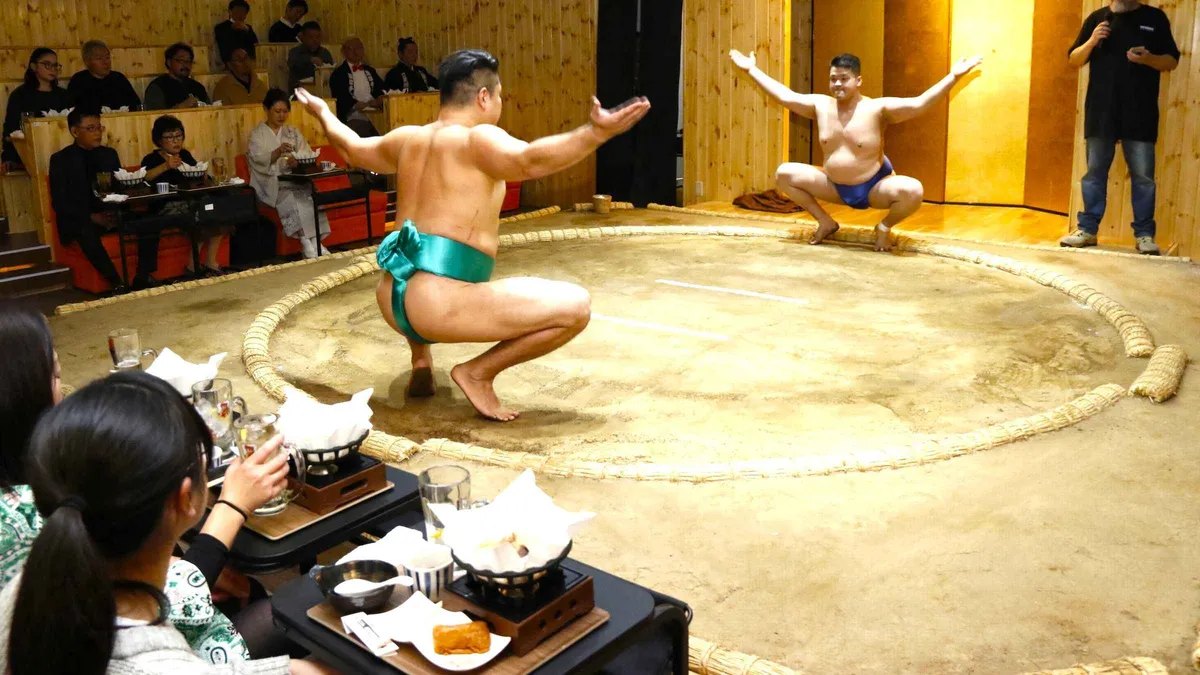 from $103.89
Tokyo: Sumo Entertainment Show with Chicken Hot Pot & Geisha
A staged sumo show in Asakusa with retired professional wrestlers, an all-you-can-eat chanko-nabe hot pot, a geisha dance opener and a chance to step into the ring yourself.
Check Availability from $65.45
Tokyo: Sumo Show & Dining Experience at Historic Sumo House
A 1.5-hour indoor sumo show at a former sumo stable near Ryogoku, with an English-speaking MC, an audience sumo challenge and a Chanko hot-pot meal at the 11 AM and 7 PM shows only.
Check Availability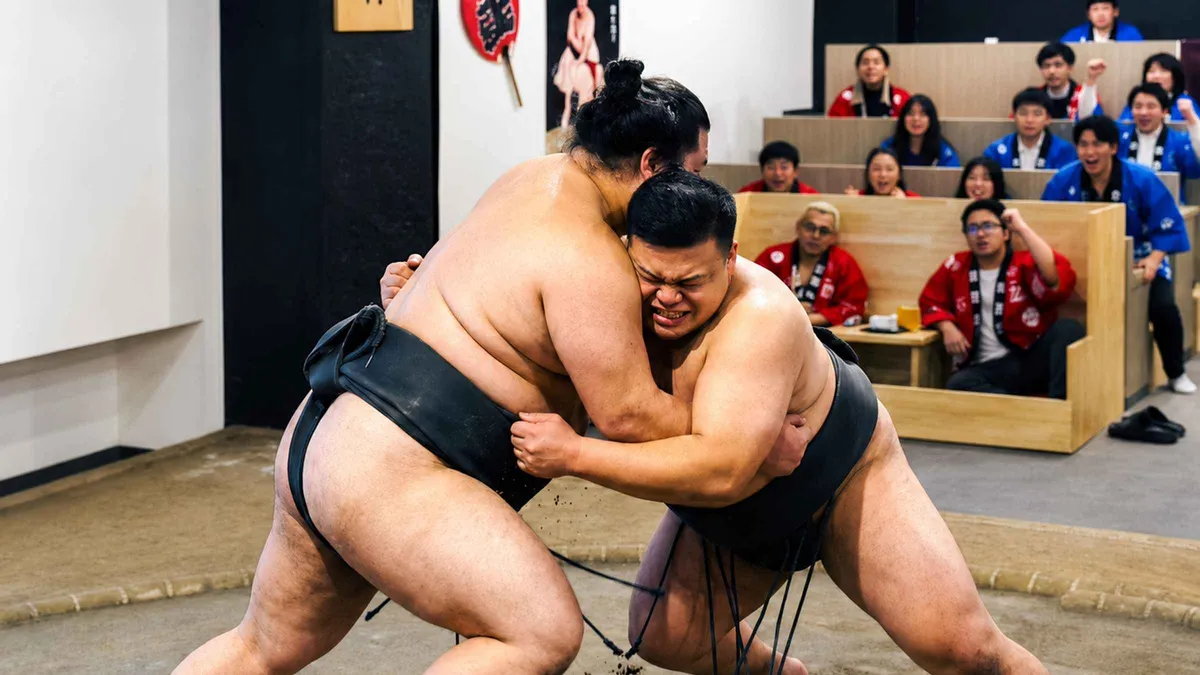 from $38.96
Tokyo Ginza Sumo Show: Live Performance & Photo Experience
A themed sumo entertainment show in central Ginza with retired wrestlers performing ceremonial bouts, salt-throwing and photo moments, plus an optional hands-on training add-on, steps from Yurakucho and Tokyo Station.
Check Availability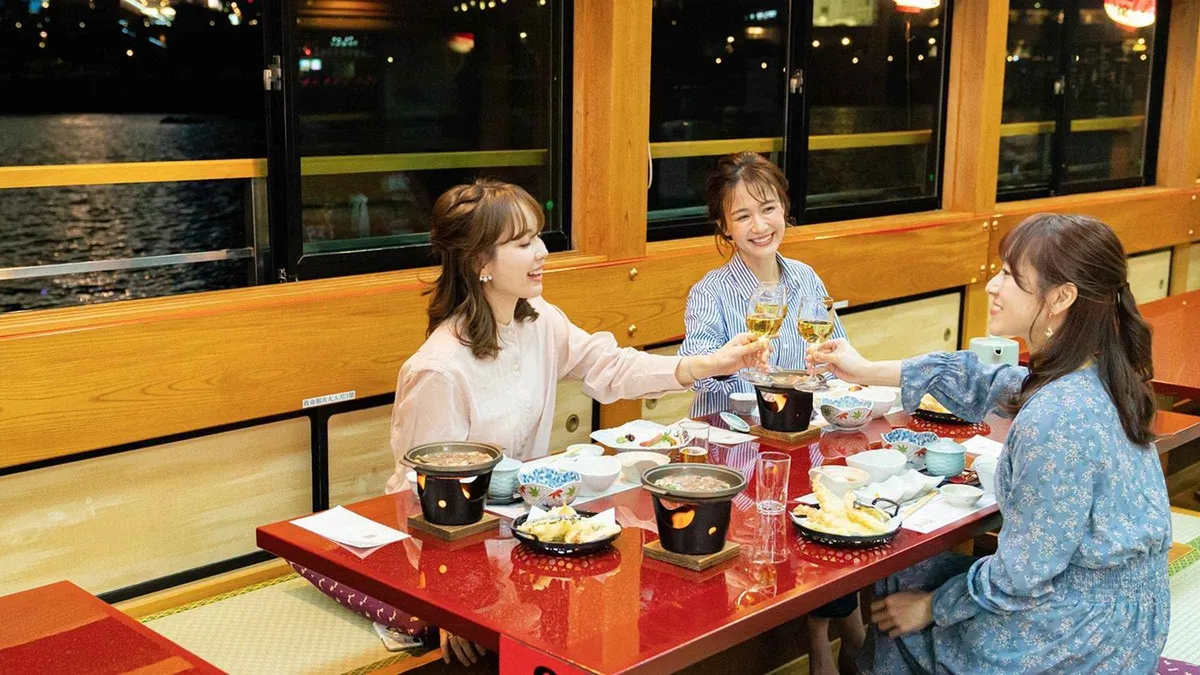 from $103.89
Sumida River: Japanese Traditional Yakatabune Dinner Cruise
A traditional Yakatabune dinner cruise on the Sumida River, with a full dinner served on board while you take in views of Tokyo Skytree and Tokyo Bay from the water.
Check Availability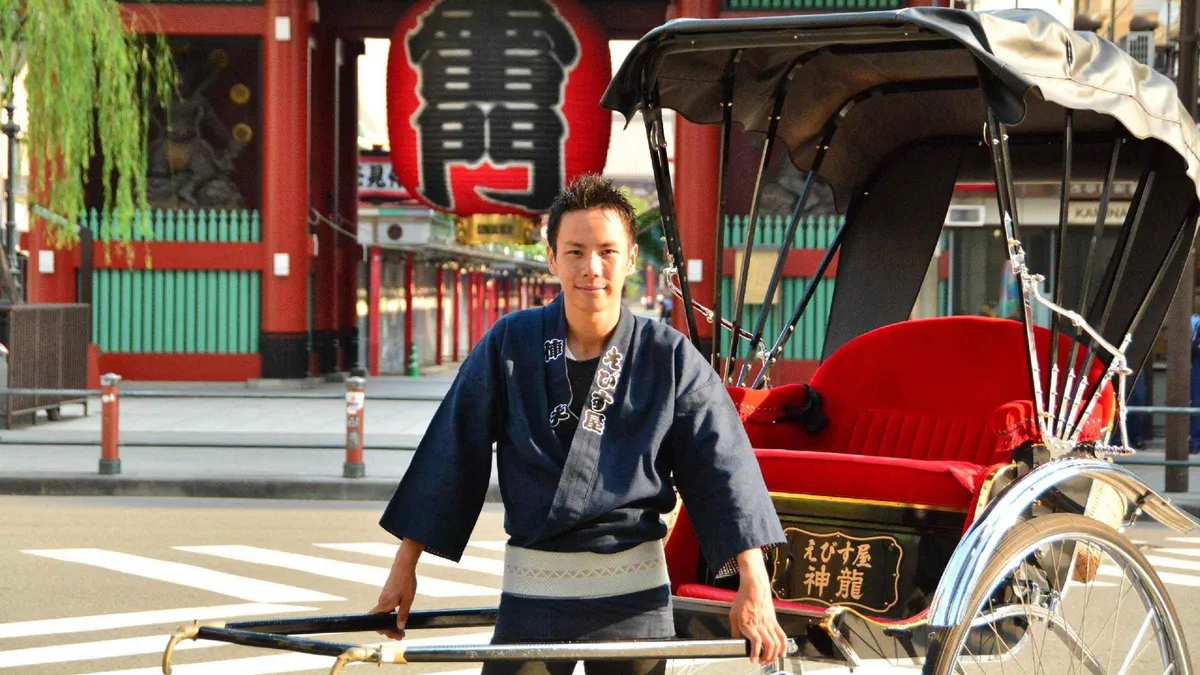 from $35.71
Tokyo: Asakusa Sightseeing Tour by Rickshaw
A guided rickshaw ride through Asakusa's shrines, Sumida Park and old shopping streets, with a puller narrating the district's history, suited to travelers who prefer sitting to walking.
Check AvailabilityPrices, ratings and details are the platform's own. Dollar figures are the listed prices. The platform bills in your account's currency.
Where To Go Next
Three pages that turn a date on this calendar into a working day.
Best time to visit Tokyo
Thirty years of climate data by month, the blossom mechanics, the typhoon window and the weeks we would book. The seasons page is the one to read before this one if your dates are still open.
Choose the month firstWhat is open on Monday
Whatever the calendar says, one day of your trip is a Monday and the state museums shut. The Monday page has the full table, the holiday exception and a routed day that does not waste it.
The day that catches everyoneGrand sumo in Tokyo
Seats, the fifteen-day rhythm and how the ticket release works at Ryogoku. If a tournament overlaps your dates, this is the page to act on first.
The one thing that sells outTokyo Events Calendar: Questions
What are Tokyo's biggest festivals, and when do they fall?
Three neighbourhood matsuri dominate: Sanja Matsuri on the third weekend of May at Asakusa Shrine, Kanda Matsuri in mid-May at Kanda Myojin in its full-scale years, and Sanno Matsuri from 7 to 17 June at Hie Shrine. All three are free and none is ticketed. The matsuri section has each shrine's own published programme and explains which years carry the full procession.
Which months in Tokyo have the most events?
May and July, by a wide margin. May carries Golden Week, the two great mikoshi festivals and a fifteen-day sumo tournament; July carries the fireworks season, the ground-cherry market at Senso-ji and the school holidays. December is the quiet surprise, with the battledore market, the illumination season and the midnight bell. The dated table sorts the whole year, and the seasons page says what the weather does to each.
Are Tokyo matsuri dates fixed, or do they move?
Both, depending on the event. Temple rites at Senso-ji sit on fixed calendar dates and never move, so 9 and 10 July and 17 to 19 December are the same every year. Shrine festivals are pinned to a weekend rather than a date, so Sanja Matsuri moves within the third weekend of May. Tori-no-Ichi follows the traditional twelve-day rooster cycle and lands differently each November. Senso-ji's own year sets out which is which.
Is the Kanda Matsuri held every year?
Not at full scale. Kanda Myojin's own festival site states that its 2026 festival was a kagematsuri, an off-year, with no Shinkosai procession and no mikoshi coming into the shrine, and the full-scale version runs in odd-numbered years. That makes May 2027 a full one. The matsuri section has the published week-long programme for a full year.
When are the Tokyo fireworks, and can you reserve a seat?
The Sumida River display takes a Saturday in the second half of July and the 2027 date has not been announced. Its organising committee states there is no seated viewing at all except the paid citizen-sponsor seats, which sell out in an application window months ahead, and that bad weather cancels the display rather than postponing it, with the call made at 08:00 on the day. What the committee publishes has the detail, and a yakatabune dinner cruise is the river on an ordinary night.
Do national holidays make Tokyo more expensive?
They make it fuller rather than dearer inside the city; the cost shows up in intercity trains, hotels and day trips. Golden Week from 29 April to 5 May 2027 and the mid-August Obon week are the two that matter. One holiday effect works in your favour: Greenery Day on 4 May waives admission at several city gardens. The holiday table lists all seventeen 2027 dates with what each one does.
Tokyo Festivals On Video
Three films that show what the entries on this calendar actually look like: the summer mikoshi festivals in motion, a year-planning overview of the big national events, and the mid-August observance that empties the offices and fills the trains.
These Summer Festivals in Japan are INSANE | Guide to Japanese Matsuri
What a mikoshi procession looks like from inside the crowd, which is the format Sanja and Kanda both take.
Video: Hoang PhamJapan 2026: The BEST Festivals You NEED to Plan Your Trip Around
A year-planning overview of the big national events, useful for placing the Tokyo dates on this page in context.
Video: GoVistaWhat You Need To Know About Obon - Inside Japan - お盆
The mid-August observance that is not a national holiday but moves more domestic travel than any that is.
Video: Inside JapanVideos load from YouTube only when you press play.
Prices, hours and terms are set by the venue or operator and confirmed at checkout.
We may earn a commission if you book through one of our links, at no extra cost to you. Full affiliate disclosure